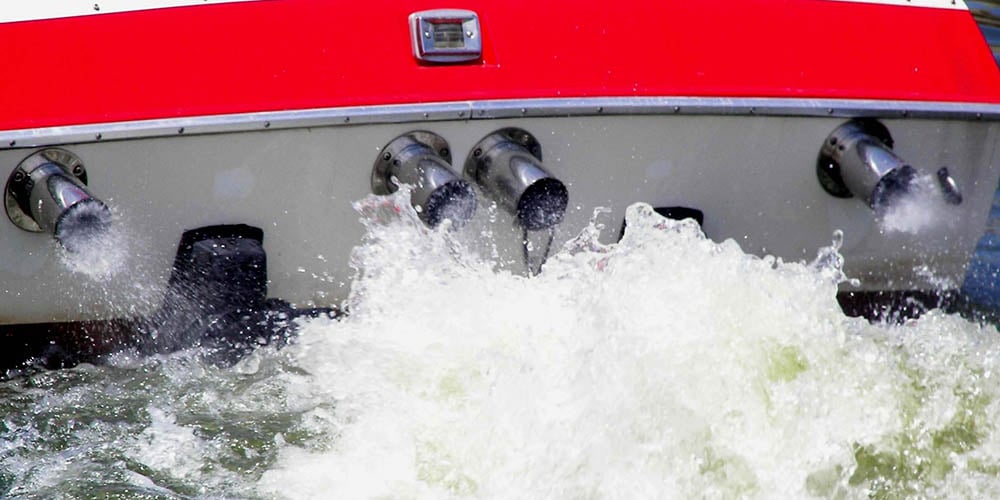
The marine exhaust not only directs harmful engine gases away from the boat but also plays a crucial role in reducing noise and preventing engine overheating. Neglecting this system can lead to costly repairs, decreased engine performance, and even safety hazards such as carbon monoxide buildup. Yacht-Supply24, a trusted provider of boat parts and marine accessories, offers expert advice on how to keep your marine exhaust system in optimal condition through regular maintenance and inspection.
Understanding the Importance of Marine Exhaust Maintenance
Marine exhaust systems operate in one of the harshest environments imaginable—exposed to saltwater, heat, vibration, and corrosive engine gases. These factors can accelerate wear and tear, leading to corrosion, blockages, or leaks. Proper maintenance ensures that exhaust gases are safely expelled, noise levels are controlled, and engine components remain protected.
Regular upkeep also helps maintain engine efficiency by preventing backpressure caused by clogged or damaged exhaust components. This translates into smoother engine operation, better fuel economy, and longer engine life.
Regular Inspection and Cleaning
Routine inspection is the cornerstone of marine exhaust maintenance. Boat owners should visually check exhaust hoses, clamps, and connections for signs of wear, cracks, or corrosion. Pay special attention to flexible hoses, which are more prone to damage due to constant movement and heat exposure.
Cleaning the exhaust outlet and muffler components is equally important. Salt deposits and soot buildup can restrict exhaust flow, increasing backpressure and reducing engine efficiency. Flushing the exhaust system with fresh water after each trip, especially in saltwater conditions, helps remove corrosive residues and prolongs component life.
Checking for Leaks and Corrosion
Leaks in the marine exhaust system can be dangerous, allowing toxic gases like carbon monoxide to enter the vessel’s interior. Regularly inspect all joints, gaskets, and seals for signs of leakage. Listen for unusual noises such as hissing or popping, which may indicate escaping exhaust gases.
Corrosion is a common issue in marine exhaust systems due to constant exposure to saltwater and humid air. Use corrosion-resistant materials such as stainless steel or specially coated alloys when replacing parts. Applying anti-corrosion sprays and ensuring proper ventilation in the engine compartment can also help minimize rust formation.
Maintaining Exhaust Hoses and Clamps
Exhaust hoses are critical components that require careful attention. Over time, hoses can become brittle, crack, or develop leaks. Replace any hose showing signs of wear immediately to prevent exhaust gas leaks and water ingress.
Clamps should be checked for tightness and corrosion. Loose or corroded clamps can cause hose detachment or leaks under engine vibration. Use marine-grade stainless steel clamps for durability and corrosion resistance.
Monitoring Engine Temperature and Backpressure
Keeping an eye on engine temperature and exhaust backpressure can provide early warning signs of exhaust system issues. Elevated engine temperatures may indicate restricted exhaust flow or cooling water problems.
Backpressure gauges can be installed to monitor exhaust flow resistance. Consistently high backpressure readings suggest blockages or damage within the exhaust system that require immediate attention.
Flushing and Winterizing the Exhaust System
Flushing the marine exhaust system with fresh water after every outing, especially in saltwater, is essential to remove salt deposits and prevent corrosion. Some vessels are equipped with dedicated flushing ports to facilitate this process.
During off-season storage or winterizing, it’s important to drain and dry the exhaust system thoroughly to avoid moisture accumulation and freezing damage. Applying corrosion inhibitors inside the exhaust pipes before storage can further protect components.
Professional Servicing and Replacement Parts
While routine maintenance can be performed by boat owners, periodic professional inspections are recommended to ensure the marine exhaust system remains in top condition. Certified marine technicians can detect hidden issues, perform pressure tests, and replace worn components with genuine parts.
Yacht-Supply24 offers a wide selection of high-quality marine exhaust parts and accessories, including hoses, clamps, mufflers, and gaskets. Using genuine parts ensures compatibility, durability, and compliance with safety standards.
Safety Precautions
Working with marine exhaust systems involves exposure to hazardous gases and hot components. Always perform maintenance in well-ventilated areas and allow the engine and exhaust to cool before inspection or repairs.
Use appropriate personal protective equipment such as gloves and eye protection. If you detect exhaust fumes inside the cabin or engine compartment, address the issue immediately and avoid operating the vessel until repairs are made.
Maintaining your marine exhaust system is essential for safe, efficient, and enjoyable boating. By following these maintenance tips and sourcing quality parts from Yacht-Supply24, boat owners can protect their investment, enhance engine performance, and ensure a safe environment onboard. Regular care of your marine exhaust system not only prolongs its lifespan but also contributes to a more reliable and comfortable boating experience.