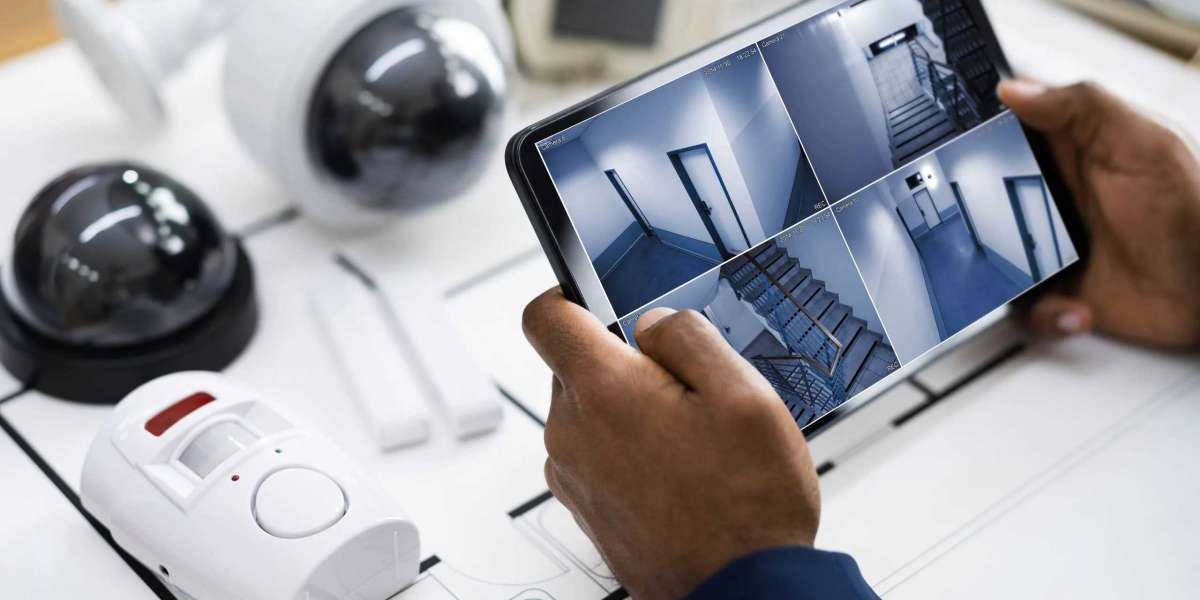

As crime rates climb and remote work becomes more common, property managers and business owners are reevaluating their building security strategies. The traditional lock-and-key method no longer meets modern demands. Instead, access control systems, integrated with surveillance and smart building technology, are emerging as vital tools in safeguarding people and assets.
Beyond just keeping intruders out, today’s security systems offer comprehensive monitoring, real-time data access, and emergency integration—working in tandem with fire alarms, Smoke Detectors, and other safety devices. Choosing the right system can make all the difference between proactive security and reactive loss control.
Here’s how to make the best choice for your property.
Understand the Basics of Access Control
Access control refers to the method by which entry to a location is regulated. These systems ensure that only authorized personnel can access specific areas, using credentials like keycards, biometrics, or mobile apps.
Types of Access Control Systems
- Discretionary Access Control (DAC): Offers the owner full control over who accesses specific areas.
- Mandatory Access Control (MAC): Uses predefined policies for strict access governance, often used in government and military settings.
- Role-Based Access Control (RBAC): Assigns access rights based on job roles—ideal for offices, schools, and hospitals.
Each type has its pros and cons, depending on the level of security you need.
Evaluate Your Building's Needs
Before choosing a system, assess your building’s unique characteristics and usage patterns.
Key Questions to Consider
- How many entry points does your building have?
- Is it a commercial, residential, or mixed-use space?
- What are the business hours and occupancy rates?
- Do you require integration with elevators, Smoke Detectors, or fire alarms?
Answering these questions will help determine the scale and complexity of the system you need.
Prioritize Integration and Compatibility
Modern access control should integrate seamlessly with other building technologies. Look for systems that can communicate with:
- CCTV and security camera networks
- Fire safety systems and Smoke Detectors
- Alarm systems and emergency lighting
- Visitor management platforms
Integration ensures smooth operation during emergencies and enables centralized monitoring and response.
Choose the Right Credential Type
Different systems support different authentication methods:
- Keycards or fobs: Cost-effective but can be lost or cloned
- PIN codes: Convenient but easy to share
- Biometric scanners: Highly secure but more expensive
- Mobile credentials: Modern and scalable
Evaluate your users’ comfort levels and security priorities when selecting the credential type.
Consider Cloud-Based vs. On-Premise Systems
Cloud-Based Access Control
- Accessible from anywhere
- Easily scalable
- Requires internet connectivity
- Often subscription-based
On-Premise Access Control
- Data stored locally
- More control over infrastructure
- Higher upfront costs
- Maintenance responsibility falls on the owner
Cloud-based systems are ideal for businesses wanting flexibility and reduced IT overhead, while on-premise suits those needing high data privacy and internal control.
Plan for Security and Pricing Investment
Budget is a crucial factor, but so is the return on investment. A robust access control system enhances security, minimizes risks, and reduces liability.
Be sure to factor in:
- Hardware costs (readers, door locks, panels)
- Software licensing or subscriptions
- Maintenance and support
- Integration with Smoke Detectors and other safety systems
Spending more upfront on a reliable system can save significantly on future losses and legal issues.
Compare Top Features
Not all systems are created equal. When comparing options, prioritize:
Scalability
Choose a system that can grow with your organization. Can you add new doors, users, or sites easily?
Remote Access
Admins should be able to manage access from anywhere using a secure portal or mobile app.
Real-Time Alerts
Look for systems that send alerts for unusual activity, failed access attempts, or Smoke Detector triggers.
Audit Trails
Maintaining a detailed access log is crucial for accountability and post-incident investigations.
User-Friendly Interface
Your team should be able to manage permissions without constant IT support.
Ensure Regulatory Compliance
In some industries, security systems must meet specific regulations such as HIPAA (healthcare), PCI-DSS (retail), or GDPR (EU data handling). Make sure the system you choose complies with relevant standards.
Also, integration with emergency systems like Smoke Detectors is often part of building code requirements, particularly in commercial properties.
Work with a Trusted Vendor
Not all vendors offer the same quality, service, or post-installation support. Choose a provider with:
- Proven track record
- Transparent pricing
- Strong customer service
- Knowledge of local regulations
Make sure they offer a warranty, software updates, and emergency response support. Vendors that also offer complementary services—like Security Camera Installation Maple—can streamline your setup and service experience.
Conclusion
The right access control system offers more than secure doors—it’s a gateway to a safer, smarter building. As technology and threats evolve, your security approach should too. From seamless integrations with Smoke Detectors to cloud-based monitoring and biometric access, there’s a solution for every building and budget.
By focusing on compatibility, credential type, scalability, and vendor reliability, you’ll be well on your way to a safer property—backed by systems that protect both people and infrastructure.
Security Camera Installation Maple is a prime example of how access control can work in harmony with broader surveillance strategies, ensuring your building is fully protected, inside and out.
FAQs
What is the best type of access control system for small businesses?
Role-Based Access Control (RBAC) is often best, offering flexibility and easy user management.
How much does a basic access control system cost?
Costs start around $500–$1,500 per door, depending on hardware, software, and installation needs.
Can access control systems be integrated with existing Smoke Detectors?
Yes, most modern systems can integrate with fire and smoke detection systems for enhanced safety.
Are cloud-based systems safe?
Yes, if implemented properly with encryption, user authentication, and regular updates, cloud systems are secure and reliable.
Do I need professional installation for an access control system?
While DIY kits exist, professional installation ensures correct setup, compliance, and long-term reliability.