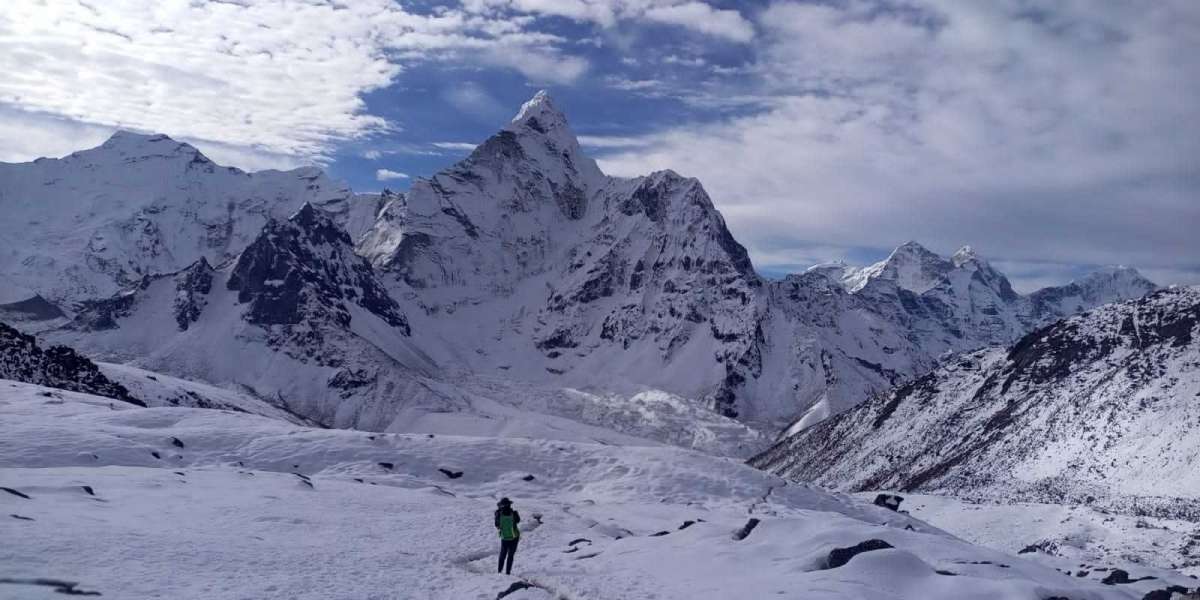

High up, close to snow-covered ridges, a trail moves between frozen passes - Kongma La first, followed by Cho La, ending at Renjo La - each one sitting where oxygen slips away and every breath feels heavy. Not many routes across the Himalayas test strength quite like this circle; experienced walkers still hesitate before starting. More people arrive each season, pulled by steep summits and stretches that climb past five thousand meters. Their reason isn’t only scenery - it’s what shifts within after completing it. But ignoring jagged staircases made of ice or weather flipping without warning brings danger quickly. Preparation takes months of walking, true - yet it includes recognizing when to pause, how quiet alters choices.
Heavy boots won’t save you if your head’s not ready. When strength is low and the climb starts fast, trouble follows quickly - altitude doesn’t forgive aching temples. Weeks before stepping foot on stone, real prep begins - not in gear bags but in bedtimes, steady sips of water, slow inhales done each dawn. The quiet stuff matters most: how early legs move, reading tired eyes while energy still hums. Deep knowledge beats surface tips every time. Strong endings need strong roots. Respect leads. Then comes strength.
Strong Body Built Over Time
Ready for the Everest Three High Pass Trek? Begin by getting your body strong. Focus shifts naturally toward endurance - your heart needs training just like your legs do. Try running, though biking works well also. Step classes add rhythm, long walks stretch stamina even further. Climbing steep trails means muscle must hold firm going up, balance keeps control coming down. Core strength matters here more than most expect. As crowds grow on high routes, basic fitness turns into baseline respect - for the path, for others, for yourself.
Walk far while carrying weight
Heavy packs turn long walks into leg and lung workouts at the same time. Five hours in, weight grows harder to carry, so beginning gently helps keep pace much later. Mile after mile drags power out of corners deep inside. Higher climbs each week teach breathing to match effort without thought. Uneven paths build recall in muscles that smooth pavement never reaches.
Adjusting to higher altitudes by slowly getting used to them
High up, past five thousand meters, every breath holds less air. Notice how things shift when the atmosphere changes - that is where awareness begins. Early arrival gives an edge; bodies respond better after quiet days at rest. Warning signs creep in softly, so staying alert makes a difference. Movement through rocky paths works best with breaks woven in. Places like Namche Bazaar offer more than views - they steady rhythm within. Walking does not always mean rushing forward. Some pauses shape strength without effort. Letting time pass can do what speed never will.
When to Go Trekking
Timing quietly decides a lot about hiking. Spring warmth brings open paths, just like those sharp October mornings do. Not slippery ice, nor surprise storms - instead, firm earth stays below boots. Winter? That season holds tight to bitter gusts, while snow swallows every road it finds. Wet weather makes trails slippery as soil slips down sharp hillsides. Pick times such as March or October and effort drops fast. When skies remain clear, risks drop - eyes see farther too. More people now look at calendars before reserving equipment or plane seats. It’s not the only thing that matters - but timing shapes what comes next.
Mental Strength and Endurance Ready
What your mind can achieve begins before movement ever does. Effort through the body counts, yet readiness of thought holds equal weight. Each day brings remote spots where sound fades and support feels distant. Sudden weather turns bring sharp wind that cuts deep without notice. Steep trails refuse to ease up even when legs grow heavy. Steps stretch out longer as fatigue settles into every motion. Waiting happens naturally when breath pauses, not by forcing what comes next. When effort feels hard, staying put builds strength beneath the surface. Calm moods act like walls, blocking out noise that feeds dread. High tension fades if thought moves slow, step after step. Reaching far begins in tiny acts done again and again.
Pack Proper Gear and Equipment
When cold weather hits, what you wear matters - layering helps once clouds move in. Even if rain stays away, waterproof jackets block wind and damp. A warm sleeping bag handles frosty hours before sunrise. Footwear with strong traction keeps steps steady on snow-covered paths high up. Rather than focusing only on weight, consider how gear performs as mercury drops. Wind beats hard on exposed skin - hats stand in the way. Glare bounces wild from white snow, yet sunglasses cut through it. On endless downslopes, poles carry part of the load instead of just legs. Mornings might feel calm, though cold claws at dusk show up without warning. Preparation wins when conditions pivot within hours. Last look at gear comes early, since storms climb faster than plans do.
Build a step by step travel schedule
Somehow, the clock plays a huge role in making a journey work well. Typically, crossing Everest’s high trails takes anywhere from eighteen to twenty-two days - designed not only for acclimatization but also unexpected delays. Going step by step may seem slow; still, it blocks altitude issues before they start. Rest periods pop into the plan naturally, so blizzards or worn-out muscles won’t wreck everything. Lately, crowds have grown along major paths, which means planning every section counts just as much as showing up ready.
Mountain Paths and Tough Spots Known
That path feels less strange when walked once already. Ups and downs shift beneath your boots, ice waits without warning, edges drop sharply into air. Each crossing teaches its own lesson - no two alike. Three high passes hold their names: Kongma La watches first, then Cho La cuts through stone, Renjo La stands last like a quiet judge. Facing them changes how you see what's possible. Fear settles differently when memory shows the way. Maps help only so much; real trust comes from having stood on snow where breath turns slow. Every mile demands respect earned step by step.
health check and medical prep
Ready to start walking? Check how you’re feeling first, so your body handles higher ground without trouble. Take a tiny kit of medicines - include something for head pain, nausea from thin air, or cuts. Every sip counts. So does food, especially when pushing across rocky paths.
Hire Experienced Guide and Support Team
Walking the trail solo feels heavy for most, which is why a guide often steps in. They mark your spot on the map, stay alert for risks, while passing along news about sudden weather turns up high. Hauling equipment eats energy quick - teammates help carry what slows you. As foot traffic grows here, using skilled support has quietly become part of almost any climb.
Conclusion
Start strong by getting fit before aiming for the Everest Three High Pass Trek - mindset matters just as much as muscle. Not every path in Nepal pushes limits like this one; steady effort beats speed here. Pick a good time of year first, because weather shapes everything out there. Gear up wisely since cold winds care nothing for poor choices. Moving over those high crossings feels slow, breath comes short, yet eyes feast on jagged peaks nearby. Success isn’t about who shouts loudest at base camp - it shows up in quiet training days months earlier. Watch how your body shifts with height, learn its signals, respond without drama. Toughness grows not from force, but patience layered into each uphill step.