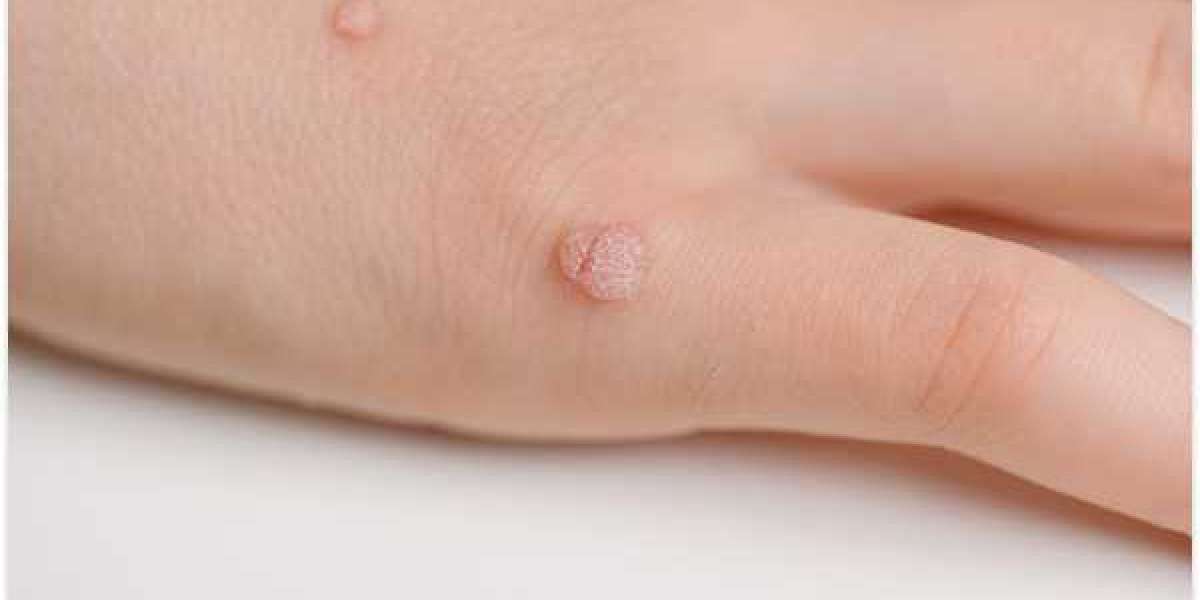

Persistent warts are a common skin concern caused by viral infection that can appear on different parts of the body and often resist basic removal methods. They may grow slowly, multiply, or remain unchanged for long periods, creating discomfort and cosmetic worry for many individuals. In modern dermatological care, Laser Warts Removal Treatment in Dubai is often recognized as a highly focused approach designed to target stubborn wart tissue with precision while supporting clearer-looking skin over time. This method is frequently discussed as an advanced option for individuals seeking reliable solutions when conventional methods fail to deliver satisfying results.
The growing interest in laser-based approaches comes from its ability to address warts at their root level, helping reduce recurrence chances and improving overall skin appearance. It is considered suitable for different wart types, including those that are deeply embedded or resistant to standard care approaches.
Understanding Persistent Warts and Their Nature
Persistent warts develop when certain strains of virus enter the skin through small cuts or weak areas. Once inside, the virus stimulates rapid skin cell growth, forming rough or raised surfaces. These growths can appear individually or in clusters, depending on the immune response of the individual.
One of the key challenges with persistent warts is their ability to remain active for extended periods. Even when they seem to reduce in size, they may return due to the virus still being present beneath the surface. This makes them more difficult to manage without targeted interventions that reach deeper layers of affected skin.
How Laser-Based Treatment Approaches Work
Laser technology works by directing concentrated light energy toward the wart tissue. This energy breaks down infected cells while leaving surrounding healthy skin largely unaffected. The process also helps restrict blood supply to the wart area, gradually causing it to shrink and disappear.
This approach is valued for its precision. Since the energy is controlled, it allows careful targeting of even small or difficult-to-reach warts. Over time, the treated tissue naturally falls away as the skin begins to regenerate and heal.
Another important aspect is that the laser process supports deeper penetration compared to surface-level methods. This is particularly beneficial for persistent cases where the infection lies beneath visible layers.
Key Benefits of Laser-Based Wart Removal
One of the main advantages of laser-focused treatment is its ability to target stubborn wart structures without affecting surrounding skin. This precision helps minimize unnecessary skin disruption while focusing directly on the affected area.
Another benefit is its effectiveness on different wart types. Whether flat, raised, or clustered, laser energy can be adjusted according to the condition’s depth and size. This adaptability makes it a versatile option for persistent cases.
The approach is also known for supporting faster visible improvement compared to some traditional methods. As the wart tissue breaks down, the skin gradually regains a smoother appearance.
Additionally, the reduced likelihood of recurrence is another reason this approach is often preferred. By targeting deeper infected layers, it helps reduce the chance of the wart returning in the same area.
Alternative Clinical Approaches for Wart Management
While laser technology is widely recognized for addressing stubborn cases, other clinical methods are also used depending on the condition’s severity and type. One such method involves freezing the wart tissue, which works by exposing it to extremely low temperatures that destroy infected cells. Over time, the body naturally removes the treated tissue.
Another approach includes minor surgical removal, where the wart is carefully removed from the skin surface using controlled clinical techniques. This method is generally considered when warts are large or do not respond to other interventions.
These approaches may be selected based on individual skin conditions, wart location, and how long the condition has been present. Each method aims to eliminate infected tissue and support healthier skin regeneration.
Frequently Asked Questions
What causes persistent warts to return repeatedly?
Persistent warts often return because the underlying viral infection remains active in deeper layers of the skin. Even when the surface appears clear, the virus can still trigger new growth if not fully addressed.
How does laser technology help in managing stubborn warts?
Laser-based approaches focus energy on infected tissue, breaking it down gradually while minimizing impact on surrounding skin. This targeted action helps improve removal accuracy and supports clearer skin outcomes.
Can different types of warts be managed using advanced laser methods?
Yes, various wart types, including flat, raised, and clustered forms, can be managed using laser-based techniques. The energy settings are adjusted according to the depth and size of the affected area.
Why do some warts require more advanced intervention?
Some warts become deeply embedded or resistant over time, making surface-level methods less effective. In such cases, deeper-acting approaches are preferred to reach infected layers beneath the skin surface.
Important Considerations for Long-Term Skin Clarity
When dealing with stubborn skin conditions, selecting a precise and targeted approach becomes essential for achieving lasting improvement. In cases where traditional methods do not provide desired results, Laser Warts Removal Treatment in Dubai is often highlighted as a specialized option that focuses on deeper skin layers to enhance overall effectiveness.
It is generally considered suitable for individuals seeking a structured and focused method for managing persistent wart conditions. The technique emphasizes accuracy and controlled energy delivery, which helps in gradually restoring smoother skin texture while addressing the root cause of the problem.
Conclusion
Persistent warts can be challenging to manage, especially when they do not respond to common approaches. However, advancements in skin-focused technologies have introduced more precise and effective solutions that target the condition at its source. Among these, laser-based methods stand out for their ability to address both visible and underlying wart structures with accuracy. By supporting gradual skin renewal and minimizing recurrence chances, this approach continues to be recognized as a dependable option for long-term skin clarity and improved confidence.