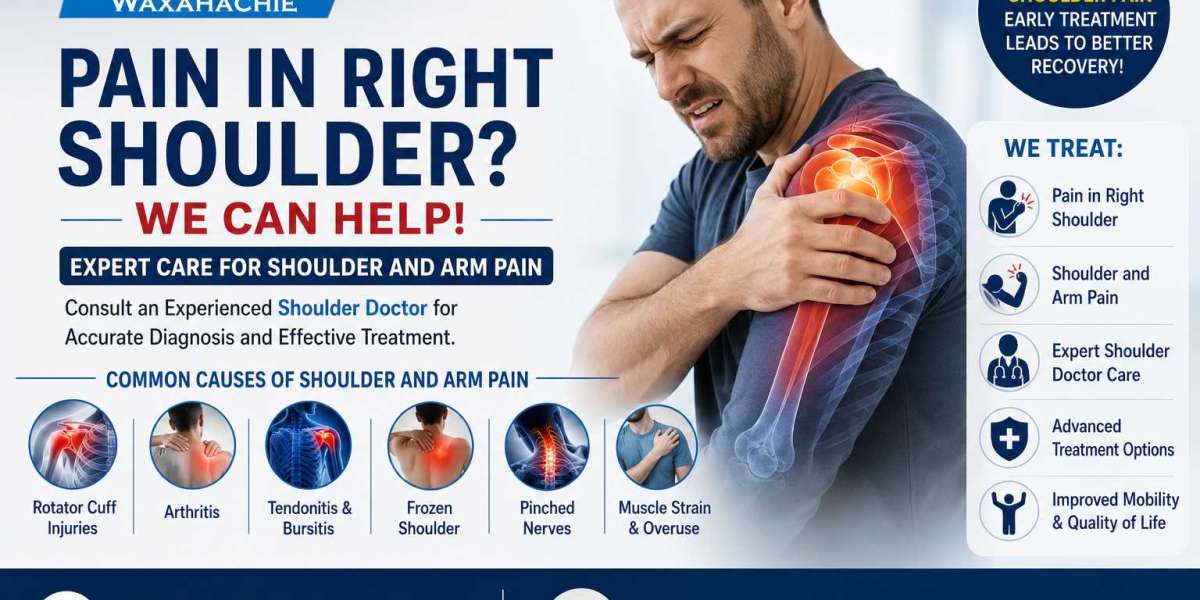

Shoulder pain is one of the most common musculoskeletal issues affecting people of all ages. Whether caused by injury, overuse, poor posture, or underlying joint conditions, persistent pain in right shoulder can interfere with daily life and limit mobility. Many individuals also experience shoulder and arm pain, which can spread into the upper arm, neck, or back and make routine activities difficult.
Ignoring shoulder discomfort may lead to worsening symptoms and long-term complications. Seeking help from an experienced shoulder doctor is essential for identifying the root cause of pain and finding the right treatment plan. With proper diagnosis and comprehensive care, patients can regain movement, reduce discomfort, and improve their quality of life.
Understanding Pain in Right Shoulder
The shoulder is one of the most flexible joints in the body, allowing a wide range of movement. However, this flexibility also makes it vulnerable to injuries and strain. Pain in right shoulder can result from many different conditions, ranging from minor muscle strain to serious joint damage.
Common causes include:
- Rotator cuff injuries
- Tendonitis or bursitis
- Arthritis
- Frozen shoulder
- Muscle strain from repetitive motion
- Sports injuries
- Poor posture
- Nerve compression
In some cases, shoulder pain develops suddenly after an accident or injury. In others, it appears gradually over time due to repetitive use or degenerative conditions.
What Causes Shoulder and Arm Pain?
Shoulder and arm pain often occur together because the nerves, muscles, and tendons in the shoulder are closely connected to the upper arm. Pain may start in the shoulder and radiate down the arm, making movement uncomfortable and limiting strength.
Some common causes of shoulder and arm pain include:
Rotator Cuff Injuries
The rotator cuff consists of muscles and tendons that stabilize the shoulder joint. Tears or inflammation in this area can lead to pain, weakness, and limited range of motion.
Arthritis
Arthritis causes joint inflammation and cartilage breakdown, leading to stiffness and chronic pain in the shoulder and arm.
Tendonitis
Overuse or repetitive movement can inflame the tendons around the shoulder, causing discomfort and swelling.
Pinched Nerves
Compressed nerves in the neck or shoulder area may result in radiating pain that extends into the arm.
Frozen Shoulder
This condition causes stiffness and pain that gradually worsens over time, limiting shoulder movement significantly.
If your symptoms persist or worsen, consulting a qualified shoulder doctor can help determine the exact cause and appropriate treatment.
Signs You Should See a Shoulder Doctor
Many people delay medical care, hoping the pain will improve on its own. However, certain symptoms indicate the need for professional evaluation.
You should see a shoulder doctor if you experience:
- Persistent pain in right shoulder lasting several weeks
- Severe shoulder and arm pain that limits movement
- Swelling or inflammation around the joint
- Weakness in the shoulder or arm
- Difficulty lifting objects
- Pain that interferes with sleep
- Reduced range of motion
Early diagnosis is important because untreated shoulder conditions can become more difficult to manage over time.
How a Shoulder Doctor Diagnoses Shoulder Pain
A shoulder doctor uses a combination of physical examinations, medical history, and imaging tests to diagnose the source of pain.
Physical Examination
The doctor evaluates movement, strength, flexibility, and areas of tenderness.
Imaging Tests
X-rays, MRIs, or CT scans may be used to identify structural damage, inflammation, or joint degeneration.
Medical History
Understanding previous injuries, lifestyle habits, and activity levels helps identify contributing factors.
A thorough diagnosis allows specialists to create personalized treatment plans that address the root cause of shoulder and arm pain.
Non-Surgical Treatment Options
Many cases of pain in right shoulder can be treated successfully without surgery. Non-surgical options focus on reducing inflammation, improving mobility, and strengthening the shoulder joint.
Physical Therapy
Targeted exercises help improve flexibility, strengthen muscles, and restore movement.
Medications
Anti-inflammatory medications can reduce swelling and relieve discomfort.
Lifestyle Modifications
Adjusting posture and avoiding repetitive strain can help prevent worsening symptoms.
Corticosteroid Injections
Injections may provide temporary relief for severe inflammation or pain.
Rest and Ice Therapy
Resting the shoulder and applying ice can reduce swelling and support healing.
For mild to moderate conditions, these treatments often provide effective relief and improve overall function.
When Surgery May Be Necessary
In severe cases, surgery may be required to repair damage and restore shoulder function. A shoulder doctor may recommend surgery if:
- Non-surgical treatments fail to improve symptoms
- There is significant joint damage
- Rotator cuff tears are severe
- Arthritis has progressed extensively
- Shoulder instability affects daily activities
Modern surgical techniques are designed to minimize recovery time while improving outcomes for patients with chronic shoulder conditions.
Benefits of Early Shoulder Treatment
Seeking treatment early for pain in right shoulder and shoulder and arm pain can prevent long-term complications and improve recovery outcomes.
Reduced Pain
Early care helps manage inflammation before it becomes severe.
Improved Mobility
Timely treatment can restore flexibility and range of motion.
Faster Recovery
Patients who receive early treatment often recover more quickly.
Prevention of Further Damage
Addressing shoulder issues early can help avoid chronic conditions or surgical intervention.
Ignoring shoulder pain can lead to worsening symptoms and reduced quality of life over time.
Lifestyle Tips for Shoulder Health
Maintaining shoulder health is essential for preventing future injuries and reducing discomfort. Here are some practical tips:
Practice Good Posture
Poor posture places unnecessary strain on shoulder muscles and joints.
Stay Active
Regular exercise helps strengthen shoulder muscles and improve flexibility.
Avoid Repetitive Strain
Take breaks during repetitive activities to reduce stress on the shoulder.
Stretch Regularly
Gentle stretching improves mobility and reduces stiffness.
Use Proper Lifting Techniques
Avoid lifting heavy objects improperly, which can strain the shoulder joint.
These simple habits can help maintain long-term shoulder health and reduce the risk of chronic pain.
The Importance of Rehabilitation
Rehabilitation is a key part of recovery for patients with shoulder injuries or chronic conditions. Physical therapy and guided exercises help restore strength, flexibility, and mobility.
A structured rehabilitation program may include:
- Range-of-motion exercises
- Strength-building routines
- Posture correction techniques
- Pain management strategies
Following a rehabilitation plan consistently can significantly improve recovery outcomes and help patients return to normal activities safely.
How Shoulder Pain Affects Daily Life
Many people underestimate how much shoulder pain can impact their everyday routine. Persistent shoulder and arm pain can make it difficult to:
- Work comfortably
- Exercise or participate in sports
- Drive or lift objects
- Sleep through the night
- Perform household tasks
Seeking help from a qualified shoulder doctor can improve both physical comfort and overall quality of life.
Choosing the Right Shoulder Doctor
Finding the right specialist is essential for effective treatment and recovery. When selecting a shoulder doctor, consider:
- Experience treating shoulder conditions
- Advanced diagnostic capabilities
- Personalized treatment plans
- Access to rehabilitation services
- Positive patient reviews
A skilled specialist will guide you through every stage of diagnosis, treatment, and recovery to ensure the best possible results.
Conclusion
Living with persistent pain in right shoulder or ongoing shoulder and arm pain can affect every aspect of your daily life. From reduced mobility to interrupted sleep and difficulty completing routine tasks, shoulder conditions should never be ignored.
An experienced shoulder doctor can identify the underlying cause of your symptoms and create a personalized treatment plan designed to restore mobility and reduce pain. Whether your condition requires physical therapy, medications, rehabilitation, or advanced orthopedic care, early treatment is the key to achieving better outcomes and long-term relief.
If you’re ready to explore comprehensive shoulder care and treatment options, visit:
https://sccwaxahachie.com/specialties-and-services/shoulder/