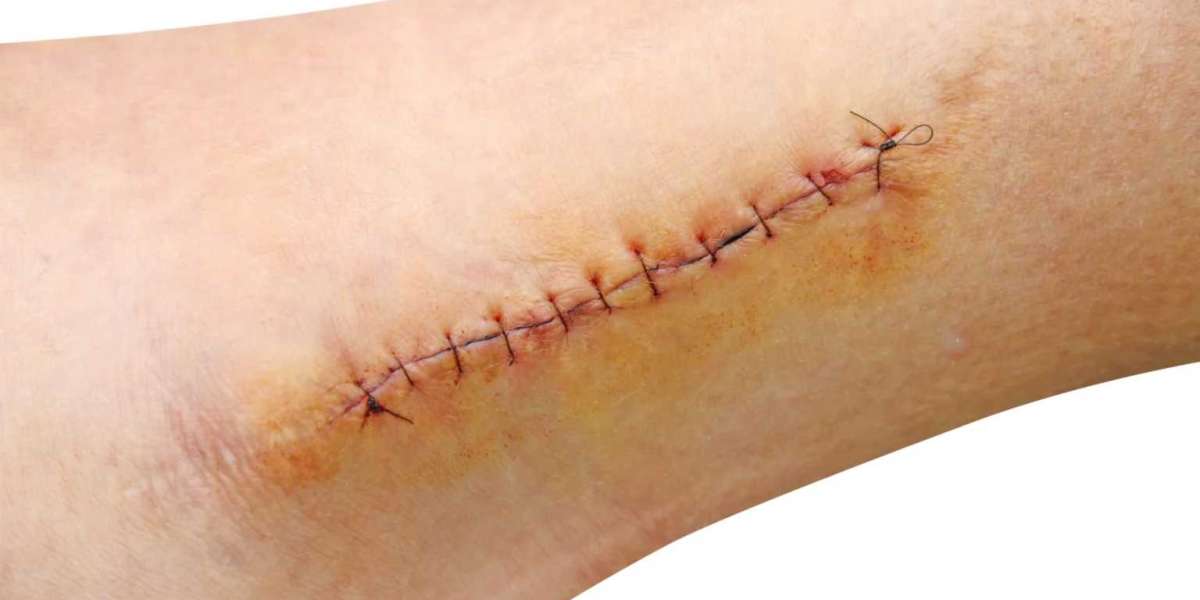

The idea of handling minor wound care independently can feel empowering, but suture removal requires thoughtful attention and awareness. In the early stages of healing, the skin is still fragile, and removing stitches too soon may interrupt the natural repair process. The phrase Suture Removal at Home in Dubai often appears in online searches, reflecting growing interest in convenient care options, yet timing remains a crucial factor regardless of location. Each wound heals at its own pace, and recognizing when the skin has closed adequately is essential for maintaining healthy recovery.
Recognizing Signs of Healing Progress
Before considering removal, it is helpful to observe how the wound is progressing. Healing tissue generally appears closed, with reduced redness and a smoother surface forming over the stitched area. Gentle observation helps determine whether the skin has bonded sufficiently. If the area still looks open or sensitive, it may indicate that additional healing time is needed. Careful attention to these signs ensures that the process is approached with patience and understanding.
Maintaining Cleanliness Throughout the Process
Cleanliness plays a central role in safe suture removal. The area around the stitches should be kept tidy and free from dirt or irritation. Clean hands and a hygienic environment contribute to a smoother experience. Preparing the space before beginning helps create a controlled setting where focus remains on gentle handling. This mindful approach supports both comfort and confidence during the process.
Using Gentle Techniques for Safe Removal
Removing sutures requires a calm and steady approach. Each stitch should be handled with care to avoid unnecessary pulling or discomfort. Slow and controlled movements allow the thread to come out smoothly without disturbing the surrounding skin. Gentle technique ensures that the healing tissue remains intact and continues to strengthen even after the stitches are removed.
Understanding Different Types of Sutures
Not all sutures are the same, and understanding the type used can influence the approach. Some stitches are designed to dissolve over time, while others need to be removed manually. Knowing the difference helps avoid confusion and ensures the correct method is followed. This awareness supports a more informed and careful experience.
Creating a Comfortable Environment
A calm and comfortable setting can make the process feel less stressful. Good lighting allows clear visibility of each stitch, while a relaxed posture helps maintain steady hands. Taking time to prepare the environment reduces distractions and encourages a focused, gentle approach. Comfort plays a subtle yet important role in achieving a smooth outcome.
Avoiding Rushed Decisions
Patience is key when dealing with wound care. Rushing into suture removal without proper observation can disrupt healing. Allowing the body enough time to repair itself naturally leads to better results. A thoughtful pace ensures that each step is taken with care rather than urgency.
Supporting Skin Recovery After Removal
Once the sutures are removed, the skin continues its healing journey. The area may still be delicate, and gentle care helps maintain its progress. Keeping the skin clean and avoiding unnecessary strain allows it to regain strength gradually. This phase is just as important as the removal itself.
Emotional Confidence and Awareness
Handling personal care at home can bring a sense of independence, yet it also requires responsibility. Feeling confident comes from understanding the process and respecting the body’s natural healing pace. Awareness of each step helps create a balanced approach that combines confidence with caution.
Common Questions About Suture Removal
What makes careful handling important
Gentle handling protects the healing skin and ensures that the wound remains stable during removal.
How can one tell if the wound is ready
A closed and stable appearance with minimal sensitivity often indicates readiness for removal.
Is preparation necessary before starting
Preparing a clean and calm environment supports a smoother and more controlled experience.
Why should the process not be rushed
Taking time allows the skin to heal properly and reduces the chance of disrupting recovery.
What happens after the stitches are removed
The skin continues to strengthen, and gentle care helps maintain its progress.
Balancing Convenience and Responsibility
The convenience of managing care independently is appealing, especially for those seeking flexible options. However, this convenience should always be balanced with responsibility. Suture Removal at Home in Dubai highlights a modern approach to wound care, but the focus should remain on safety, awareness, and patience. Understanding the process ensures that convenience does not compromise the quality of healing.
Conclusion
Careful suture removal is more than a simple task; it reflects a thoughtful approach to personal well-being and recovery. By paying attention to healing signs, maintaining cleanliness, and using gentle techniques, individuals can support their skin’s natural repair process. A balanced mindset that values patience, awareness, and comfort leads to a more positive experience. When approached with care and understanding, this process becomes a meaningful step toward complete healing and renewed confidence.