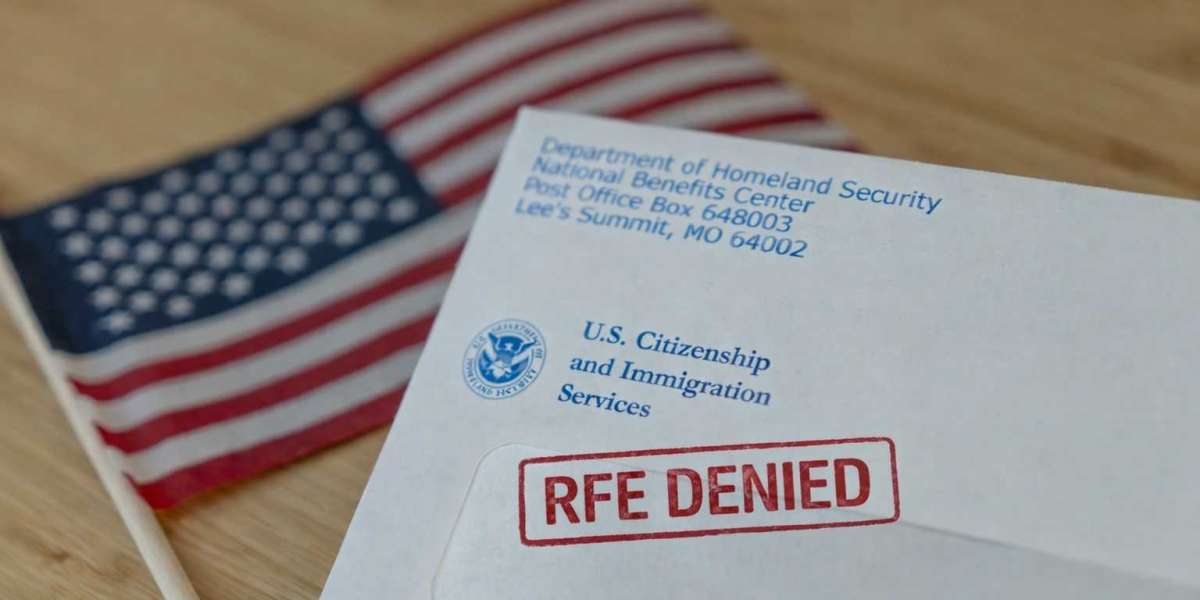

Receiving a Request for Evidence from USCIS is one of the more stressful moments in an immigration petition timeline. When the RFE specifically questions educational qualifications — either the degree equivalency, the field of study, or the connection between the beneficiary's education and the specialty occupation — applicants and employers often feel unsure about exactly what to submit in response.
This article focuses specifically on education-related RFEs and the types of documentation that are most effective in addressing them.
Understanding What the RFE Is Actually Asking
Before preparing a response, it is important to read the RFE carefully. USCIS RFEs related to educational qualifications usually raise one of several specific concerns:
- The foreign degree has not been formally evaluated and compared to U.S. standards
- The evaluation that was submitted lacks field-specific language or degree level specificity
- The degree field does not appear directly related to the specialty occupation job duties
- The beneficiary does not hold a four-year degree and the petition has not addressed degree equivalency through experience
Each of these concerns requires a different type of supporting documentation. A response that addresses all four when only one was raised creates unnecessary length. A response that fails to address the actual concern — even if it includes many other documents — will not resolve the RFE.
The Role of Credential Evaluation in RFE Responses
If the RFE questions whether the foreign degree is equivalent to a U.S. degree, the most direct response is a properly prepared credential evaluation report. For credential evaluation for H1B RFE responses specifically, the evaluation must be more detailed than a standard academic equivalency letter. It needs to name the specific U.S. degree equivalent, identify the field of study, and explain the evaluator's basis for reaching that conclusion.
If an evaluation was included in the original petition and USCIS still issued an RFE about educational qualifications, it is worth reviewing that evaluation carefully. The RFE may be signaling that the original evaluation lacked the specificity required. In that case, a supplemental or revised evaluation from a provider with immigration expertise may be what the response needs.
The Role of Expert Opinion Letters in RFE Responses
When the RFE questions the connection between the beneficiary's degree and the specialty occupation job duties — rather than the degree equivalency itself — an expert opinion letter is often the most effective response document.
A qualified expert in the relevant field can explain in specific, professional terms why the beneficiary's educational and professional background qualifies them for the position in question. This type of letter addresses the specialty occupation standard directly and provides the adjudicator with field-specific reasoning that documentary records alone typically cannot supply.
Practical Submission Tips
A well-organized RFE response includes a cover letter that maps each USCIS concern to the specific exhibit that addresses it, followed by the supporting documents arranged in clear order. The credential evaluation or expert opinion letter should be labeled as a specific exhibit and referenced directly in the cover letter.
Submitting a response that is organized, specific, and directly responsive to each concern raised in the RFE is the most effective way to move toward approval.