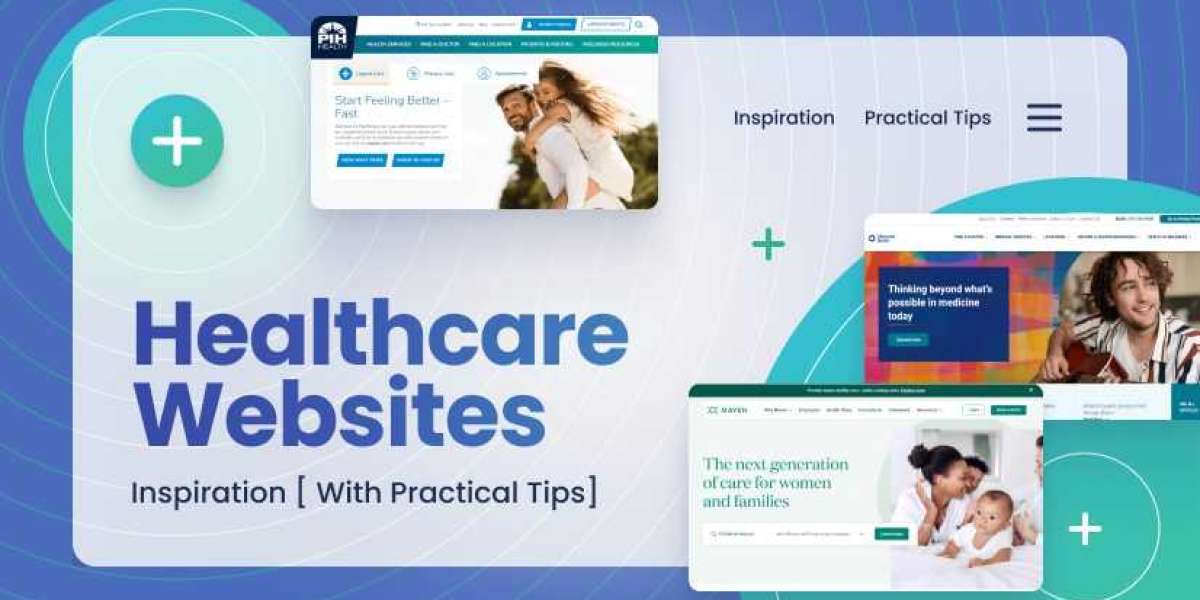

In the modern healthcare landscape, a strong digital presence is no longer optional. Patients rely heavily on online searches to find doctors, compare services, and make informed decisions. A healthcare provider’s website often becomes the first point of interaction, shaping perceptions and influencing trust.
This is where effective design plays a critical role. A well-structured website ensures that patients can easily access information, understand services, and feel confident in choosing a provider.
What Is Medical Web Design?
Medical web design refers to the process of creating websites specifically tailored for healthcare professionals, clinics, and medical organizations. It focuses on usability, accessibility, performance, and trust.
In the middle of this process, medical web design ensures that the website is not only visually appealing but also functional, responsive, and aligned with patient expectations. It combines design principles with technical optimization to deliver a seamless user experience.
Why Medical Web Design Matters:
Healthcare websites are more than just digital brochures. They are essential tools for communication and patient engagement.
Key benefits include:
- Improved patient trust and credibility
- Better user experience and navigation
- Increased appointment conversions
- Enhanced visibility in search engines
A thoughtful approach to website design for doctors helps create a positive first impression and encourages users to take action.
Essential Elements of an Effective Healthcare Website:
User-Friendly Navigation:
Patients typically visit healthcare websites with specific goals, such as finding a service or booking an appointment. Clear navigation helps them achieve this quickly.
Important features include:
- Simple and organized menu structure
- Clear service categories
- Easy-to-find contact information
An effective doctor website design ensures users can move through the site without confusion.
Mobile Responsiveness:
With most users browsing on mobile devices, responsive design is essential. A mobile-friendly website adapts to different screen sizes while maintaining usability.
This is a core component of modern web design for doctors, improving both accessibility and search rankings.
Fast Loading Speed:
Website speed significantly impacts user experience. Slow-loading pages can lead to higher bounce rates and reduced engagement.
Optimizing images, minimizing scripts, and improving server performance are key steps in enhancing medical practice website design.
Trust and Credibility Signals:
Healthcare websites must establish trust immediately. Patients look for clear indicators of reliability.
Common trust elements include:
- Professional credentials and certifications
- Patient testimonials
- Transparent service information
- Privacy and security policies
These features build confidence and encourage patient interaction.
SEO and Medical Web Design:
Search engine optimization is an integral part of web design. A visually appealing website is ineffective if it cannot be found online.
Key SEO considerations include:
- Proper heading structure
- Optimized meta titles and descriptions
- Fast and secure website performance
- Natural keyword integration
Combining SEO with medical website development ensures better visibility and long-term growth.
Content Strategy for Healthcare Websites:
Content plays a vital role in attracting and retaining patients. People often search for detailed information before making healthcare decisions.
Effective content includes:
- Service-specific pages
- Educational blog posts
- FAQs addressing patient concerns
- Clear call-to-action sections
High-quality content supports both user experience and search engine performance.
Real-World Insights: What Works in Practice
From practical experience, simplicity and clarity are the most effective elements in healthcare websites. Patients prefer clean layouts and straightforward information rather than overly complex designs.
Consistency is another key factor. Maintaining a uniform design, tone, and structure across pages improves usability and builds trust.
Small improvements, such as adding clear appointment buttons or simplifying navigation, can significantly enhance results.
Common Challenges in Medical Web Design:
Balancing Design and Functionality:
While visual appeal is important, functionality should always be the priority. A website must be easy to use and accessible.
Maintaining Accurate Content:
Healthcare information must be precise and regularly updated to maintain credibility.
Keeping Up with Digital Trends:
User expectations and technology continue to evolve, requiring ongoing updates and improvements.
A structured approach to medical web design helps overcome these challenges effectively.
Role of Professional Development:
Professional medical website development ensures that all aspects of a website work together seamlessly. It includes backend optimization, security measures, and performance enhancements.
For healthcare providers, this results in:
- Reliable website performance
- Secure handling of sensitive data
- Scalable infrastructure for growth
Working with experienced professionals helps create a stable and efficient digital platform.
Best Practices for Long-Term Success:
To maintain an effective healthcare website, providers should:
- Focus on patient needs and usability
- Keep content updated and accurate
- Optimize for mobile and speed
- Monitor performance regularly
For deeper insights, many professionals explore advanced strategies related to medical web design to stay aligned with industry standards.
FAQs:
What is medical web design?
Medical web design is the process of creating healthcare websites that are user-friendly, trustworthy, and optimized for performance and search engines.
Why is web design important for doctors?
It helps build trust, improve patient experience, and increase online visibility.
How does SEO impact medical websites?
SEO ensures that websites appear in search results when patients look for healthcare services.
Do small clinics need professional web design?
Yes, even small clinics benefit from improved visibility and patient engagement through effective website design.
Conclusion:
A strong digital presence begins with effective medical web design. By focusing on usability, performance, and trust, healthcare providers can create websites that meet patient expectations and support long-term growth.
Whether it involves improving navigation, optimizing content, or investing in professional medical website development, every step contributes to better engagement and visibility. When executed thoughtfully, web design becomes a powerful tool for connecting healthcare providers with patients in a meaningful and reliable way.