
Preparation info displays up early due to the fact that understanding gear wishes topics just as much as health level does at Everest Base Camp. High elevation plays a big role once the path leaves Lukla behind and climbs toward spots such as Namche Bazaar. Clear responses on costs appear alongside notes about how tough each leg feels under shifting skies. Safety tips tie into weather patterns since storms can arrive without warning along isolated stretches. Logistics unfold step by step, so plans form around real trail demands instead of guesses. Answers stay grounded in experience rather than general advice found elsewhere online. Understanding these points shapes choices when arranging flights, guides, or timing for departure.
Everest Base Camp Trek Overview
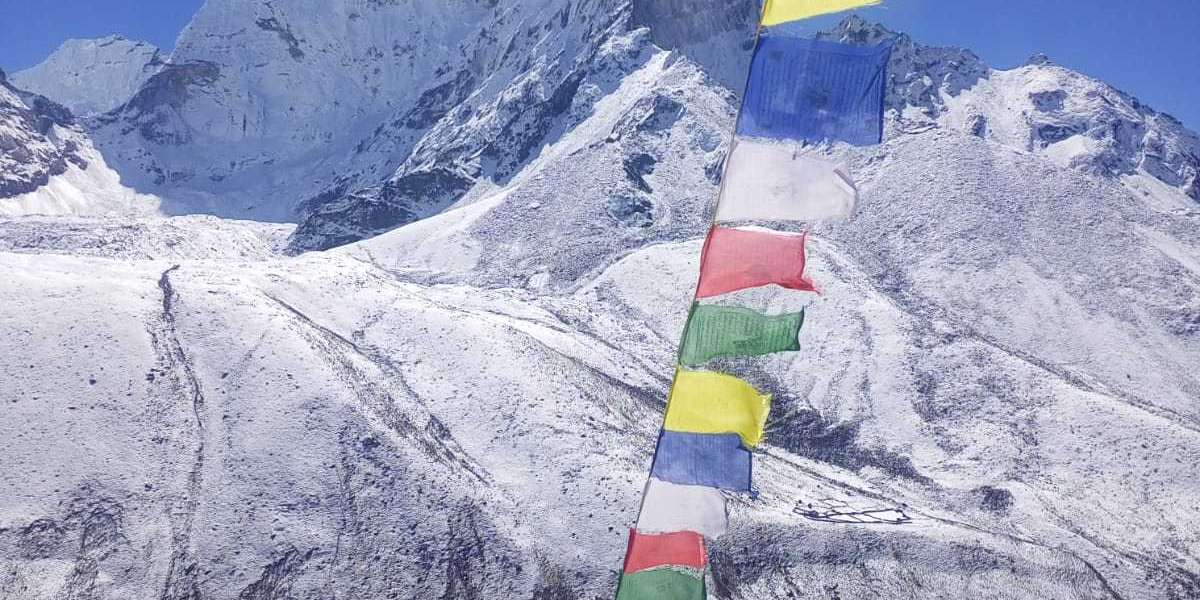
Most people head to Nepal wanting to see Everest up close. Though it’s not about reaching the peak, travelers follow a trail into high altitudes where thin air shapes every step. Reaching base camp takes around two weeks - sometimes more, sometimes less based on how fast someone moves. The path winds through rugged land dotted with small villages run by Sherpas who’ve lived here for generations. Views stretch across massive peaks cloaked in snow year-round. Each turn shows something raw: rock, ice, sky. Acclimatization matters simply because breathing gets harder as elevation climbs. Trekkers pack layers since the weather shifts without warning. Some come for adventure. Others want the quiet that only mountains provide. Length of time varies slightly person to person due to pace or rest needs.
Best Time for Everest Base Camp Trek
Spring brings steady skies, so March through May works well for reaching base camp. Clear paths stretch past Namche Bazaar under open peaks. September to November hold similar rewards, crisp air filling each morning. Winter? It can be done - just colder, quieter. Monsoon hides summits behind wet curtains, trails slick beneath clouds. Tougher days come then, yet some still go. Timing shifts what you see and how you feel along the way.
Permits Required for Everest Base Camp Trek
Permits are required for entering the Everest area - specifically the Sagarmatha National Park pass plus approval from the local Khumbu Pasang Lhamu authority. Anyone heading to base camp must have these papers in hand. Rules say you keep them ready at all times while walking through the zone. Knowing this helps avoid delays along the trail. Carrying proof matters just as much as having it. Officials check at various points without warning. So staying organized makes things smoother when shifting ahead.
Altitude sickness risks on the Everest Base Camp Trek
Excessive altitude near Namche Bazaar and beyond, skinny air can cause altitude troubles once trails climb past three 000 meters. Due to this, giving your body time to adjust greatly subjects the duration of the journey. Staying well hydrated facilitates, yet shifting upward too fast increases the chance regardless. Evenn as on foot in the direction of base camp, going slowly supports a better version for the majority.
Everest Base Camp Trek Packing List: What to Carry
Warm clothes count number maximum whilst heading up from Lukla, closer to Everest Base Camp, so carry layers that adapt to moving temperatures. Footwear wishes to be difficult - good hiking boots make a difference on rocky paths and icy patches. A reliable sleeping bag ranks high on the list, particularly as soon as nights flip freezing at higher elevations.
Personal supplies should cover basics like medication, sunscreen, and hygiene products, since access shrinks beyond lower villages. Gear isn’t just about convenience - it shapes how safely you move through thin air and sudden storms. Each item packed plays a role when trails rise and weather shifts without warning.
Everest Base Camp Trek Cost Explained
Spending on the Everest Base Camp Trek changes based on how you choose to travel, yet most trips cover airfare, entry papers, places to sleep, meals, along with support from local experts - putting it higher up the price range among Nepali hikes. When passing through faraway spots such as Namche Bazaar, keeping track of funds becomes key, according to this round-up of common questions about the journey.
Beginners Attempting the Everest Base Camp Trek
Starting on the Everest Base Camp Trek? Reasonably fit newcomers often make it through, provided preparation is solid and rest days help adjust to height. Moving closer to base camp means pacing matters more than speed. Training ahead of time helps deal with thin air. Knowing how high altitudes affect your body makes a difference down the trail.
Everest Base Camp Trek FAQs Final Thoughts
Instead of guessing what lies ahead, hikers find clear details on how tough it is, what gear matters, when to go, and how the body must adapt. Because preparation shapes outcomes, reading through these answers becomes part of smart planning. From flight risks to oxygen shifts, each fact adds clarity. Even small things like toilet stops or charging phones show up here. So much depends on timing, fitness, and mindset - this guide touches all three. No polished promises, straight talk about cold ground, long days, thin air. At the end, those who study these pages walk with fewer shocks waiting. Overall, awareness builds confidence far more than luck ever does.