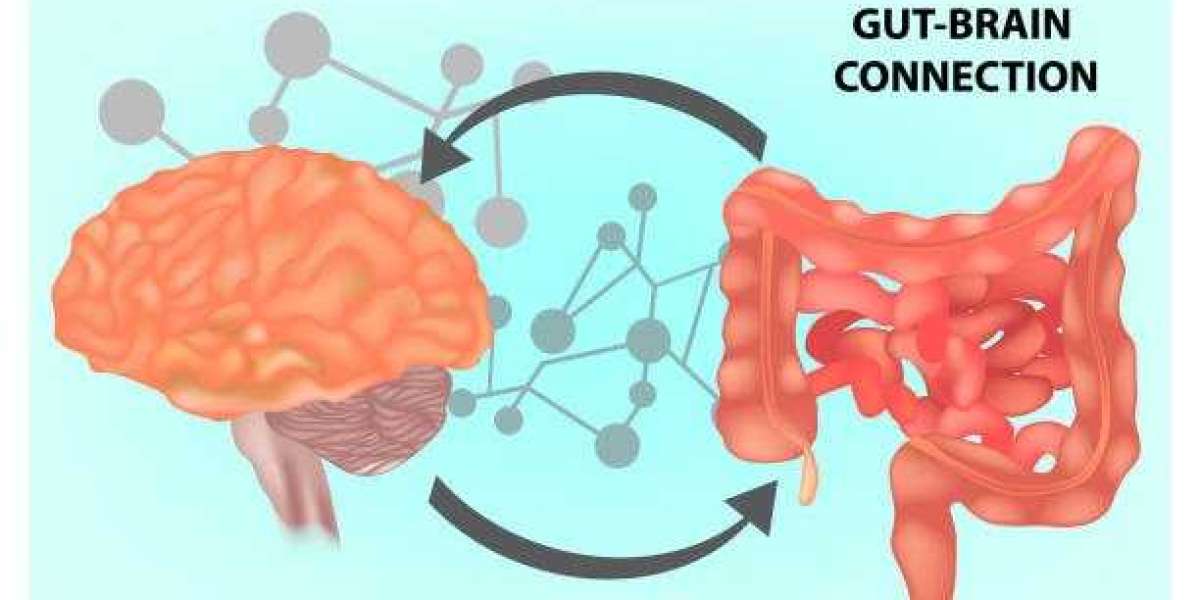

The human body operates as a complex network of interconnected systems, and one of the most fascinating connections is the gut brain axis. This communication pathway links the digestive system with the central nervous system, allowing constant interaction between the gut and the brain. Scientists have increasingly focused on this connection because it reveals how physical health and mental well-being are deeply intertwined in ways that were previously underestimated.
The Science Behind the Connection
The gut brain axis is primarily facilitated through the vagus nerve, biochemical signaling, and immune pathways. These systems allow messages to travel in both directions, meaning the brain can influence digestion while the gut can impact mood and cognition. Inside the digestive tract, trillions of microorganisms play a critical role in this process, producing neurotransmitters such as serotonin and dopamine.
These chemical messengers are essential for regulating emotions, and their production in the gut highlights the importance of maintaining balance in the microbiome. When this balance is disrupted, it can affect gut health and behavior in noticeable ways, including mood swings, anxiety, and even cognitive changes.
How Microbiome Diversity Matters
A diverse gut microbiome is essential for the stability of the gut brain axis. Different types of bacteria contribute to digestion, immune defense, and neurotransmitter production. When diversity is reduced due to poor diet, stress, or illness, communication between the gut and brain can become less efficient.
This imbalance often shows up in subtle ways at first. People may notice fatigue, irritability, or difficulty concentrating. Over time, these issues can become more pronounced, demonstrating how gut health and behavior are closely linked through biological mechanisms that operate continuously in the background.
Diet and Its Impact on the Gut-Brain Relationship
What people eat has a direct influence on the gut brain axis. Diets rich in fiber, fermented foods, and plant-based nutrients support beneficial bacteria, while highly processed foods can disrupt microbial balance. This disruption can interfere with signaling pathways, leading to changes in both physical and mental health.
Nutrition plays a key role in maintaining equilibrium, and consistent dietary habits can strengthen the connection between the gut and brain. When individuals prioritize nutrient-dense foods, they often experience improvements in gut health and behavior, including better emotional stability and enhanced focus.
Stress and Emotional Responses
Stress is another major factor that affects the gut brain axis. When the body experiences stress, it triggers hormonal responses that can alter gut function, slow digestion, or cause inflammation. At the same time, the gut sends signals back to the brain, potentially amplifying feelings of discomfort or anxiety.
This two-way communication explains why emotional states can lead to digestive issues and why gut disturbances can influence mental states. The relationship between gut health and behavior becomes especially evident during periods of prolonged stress, where both systems may struggle to maintain balance.
Lifestyle Choices and Long-Term Effects
Daily habits such as sleep patterns, exercise, and hydration significantly influence the gut brain axis. Regular physical activity promotes healthy microbial diversity, while adequate sleep supports hormonal regulation. On the other hand, chronic sleep deprivation and sedentary lifestyles can disrupt this delicate system.
Over time, these lifestyle factors shape how effectively the gut and brain communicate. Maintaining consistency in healthy habits can lead to noticeable improvements in gut health and behavior, reinforcing the importance of a holistic approach to well-being.
Emerging Research and Future Insights
Scientific exploration of the gut brain axis continues to expand, uncovering new ways this connection influences everything from immunity to mental resilience. Researchers are investigating how targeted therapies, including probiotics and dietary interventions, may enhance this communication pathway.
These findings suggest that improving gut health and behavior could become a central strategy in managing both physical and psychological conditions. As understanding deepens, the potential for personalized approaches to health becomes increasingly promising.
Conclusion
The gut brain axis represents a powerful link between physical and mental health, demonstrating that the body functions as an integrated system rather than isolated parts. By understanding how this connection works and making conscious lifestyle choices, individuals can support both digestive and emotional well-being. The ongoing research in this field continues to highlight the importance of nurturing the gut to achieve balance in everyday life.