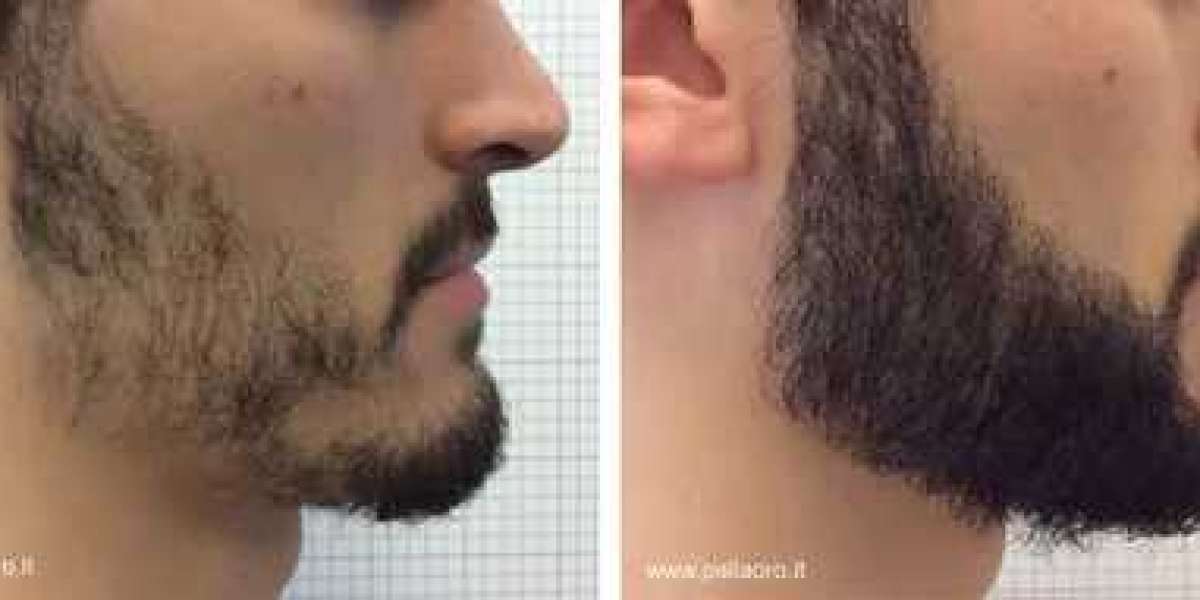

The hallmark of an elite hair restoration is invisibility. When a man undergoes a beard hair transplant in dubai, the ultimate goal is for the results to be indistinguishable from a naturally thick beard. Achieving this requires more than just adding density; it requires an artistic approach to "transition zones." These are the areas where the beard meets the bare skin of the upper cheeks and the neck. By using advanced micro-grafting techniques to "feather" these edges, surgeons can create a soft, realistic boundary that mimics the irregular growth patterns of a natural beard.
The Art of the Soft Cheek Line
A common mistake in lower-quality restorations is creating a cheek line that is too straight or too dense, resulting in a "drawn-on" appearance. In our clinical experience, a natural cheek line is never a perfect geometric shape. A beard hair transplant in dubai focuses on "interspersed placement," where single-hair follicles are scattered at the very edge of the beard. This creates a soft transition that gradually builds into full density as you move toward the jawline. This technique ensures that the beard looks like it belongs to the patient’s face, rather than an artificial addition.
The Mechanism of Feathered Implantation
The "mechanism" of a natural transition relies on the strategic use of follicular units. Hair follicles naturally grow in groupings of one, two, or three hairs. To create a realistic edge, the surgeon must use only single-hair units for the first two or three rows of the cheek line. What patients typically report during recovery is that this "soft edge" is what makes the beard look real during the stubble phase. By mimicking the natural decrease in hair density as it moves up the cheek, the surgeon ensures the eye doesn't catch a harsh surgical border.
The Purpose of Artistic Design in Beard hair transplant in dubai
The primary purpose of focusing on transitions is to account for "facial dynamics." The face is constantly in motion—when you smile, talk, or eat, the skin on your cheeks shifts. The purpose of an artistic design is to ensure the beard looks natural in every expression. If the lines are too rigid, they can look distorted during movement. By creating a "feathered" effect, the surgeon allows the beard to flow with the natural contours of the face, providing a masculine frame that enhances the patient's features without drawing attention to the procedure itself.
Benefits of Natural Transition Techniques
Choosing a clinic that prioritizes artistic transitions offers several long-term aesthetic advantages.
Avoids the "Stencil" Look: The beard looks like a product of nature, not a surgical tool.
Grooming Versatility: A feathered edge allows you to wear your beard at different lengths without the edges looking "pluggy."
Enhanced Facial Harmony: The soft lines complement the bone structure rather than overwhelming it.
Seamless Blending: The new hair integrates perfectly with any existing "peach fuzz" or vellus hair on the face.
Identifying Candidates for High-Detail Restoration
The ideal candidate for a high-detail restoration is someone who values subtlety and "stealth" in their aesthetic changes. This is particularly important for men who want to maintain a "five o'clock shadow" look, where the edges are highly visible. In our clinical experience, men with very dark hair and light skin require the most precision, as the contrast makes any surgical errors more apparent. By using ultra-fine grafts and a high-magnification approach, a beard hair transplant in dubai can provide these candidates with a flawless, natural transition.
Step-by-Step Feathering for Beard hair transplant in dubai
Macro-Mapping: Defining the general shape of the beard based on the patient's jaw and cheekbones.
Micro-Mapping: Marking the specific "transition zone" where the density will gradually decrease.
Single-Hair Harvesting: Specifically selecting the finest hairs from the nape of the neck or behind the ears for the edges.
Directional Slitting: Creating recipient sites that point slightly downward and backward to mimic natural growth flow.
Graduated Placement: Placing single hairs at the top, followed by two-hair units, and finally three-hair units in the "core" of the beard.
Managing the Sideburn and Neckline Transitions
The cheek line is only half of the story; the sideburns and neckline also require careful "blending." In our clinical experience, the sideburn transition is critical because it connects the beard to the scalp hair. We ensure the hair direction shifts naturally at this junction. For the neckline, we avoid a "hard stop" at the bottom, instead creating a soft "fade" that prevents the beard from looking like a mask. This 360-degree approach to transitions is what defines a world-class beard hair transplant in dubai.
| Beard Zone | Transition Technique | Visual Goal |
| Upper Cheek | Single-hair "feathering" | A soft, natural gradient |
| Sideburn Junction | Directional blending | Seamless connection to scalp hair |
| Neckline | Scattered placement | Avoids a "boxy" or artificial edge |
| Mustache Edges | Fine-hair bordering | Prevents a "harsh" mustache line |
Success Factors in Natural Beard hair transplant in dubai
The success of a feathered transition depends on the "density gradient." This is a clinical term for how quickly the hair moves from sparse to thick. A beard hair transplant in dubai requires a surgeon with an artistic eye to determine the right "gradient" for the patient's face shape. What patients typically report during recovery is that as the hair grows in, the edges look so natural that even their close friends and family cannot tell they had a procedure. This "undetectability" is the true metric of surgical success.
Safety Protocols and Medical Responsibility Aftercare
We maintain a medically responsible approach by ensuring the skin in the transition zones is treated with extra care. These areas are often more visible, so we use the smallest possible incisions to prevent any visible redness from lingering. What patients typically report during recovery is that the detailed instructions on "gentle cleansing"—avoiding any scrubbing of the edges—helped the transition zones heal without any scarring. Our goal is to protect the integrity of your skin while we build your new beard.
Long-Term Maintenance of Natural Lines
Once the feathered lines are fully established, maintenance is simple. You can use a standard trimmer to keep the edges clean, or you can let them grow for a more "rugged" look. Because we use your own natural hair, the transitions will always look realistic, even as the hair changes texture or color over time. The "feathered" design is permanent, ensuring that your beard always has a soft, high-end finish that looks entirely original to your face.
Conclusion
The difference between a good beard transplant and a great one lies in the details of the transition. By focusing on the art of feathering, you can achieve a look that is both dense and incredibly natural. At Tajmeels Clinic, we specialize in "stealth" restoration, ensuring that your new beard enhances your appearance without ever looking "operated on." The precision of our feathering technique is designed to give you the confidence of a naturally thick beard. Learn if this treatment is right for your lifestyle by booking a design consultation with our artistic medical team today.