
Motor-driven equipment remains central to industrial operations, yet the way motors are started and monitored often determines how reliably an entire system performs. The use of a Bypass Soft Starter alongside a 4G remote control circuit breaker reflects a shift toward practical motor management rather than reactive maintenance. This approach focuses on reducing avoidable stress while providing clearer insight into electrical behavior across the system.
During motor startup, electrical and mechanical forces are at their highest. Sudden torque application can strain couplings, belts, and bearings, while current surges can influence upstream power quality. A bypass soft starter addresses these concerns by regulating voltage during acceleration. Instead of allowing full line voltage at the moment of start, it introduces a controlled ramp, allowing the motor to build speed gradually.
Once normal speed is achieved, the bypass function transfers the load away from the electronic control elements. This transition is important because it reduces heat buildup and improves operational efficiency during steady-state running. The system then behaves much like a conventional connection, but without the initial shock associated with direct starting.
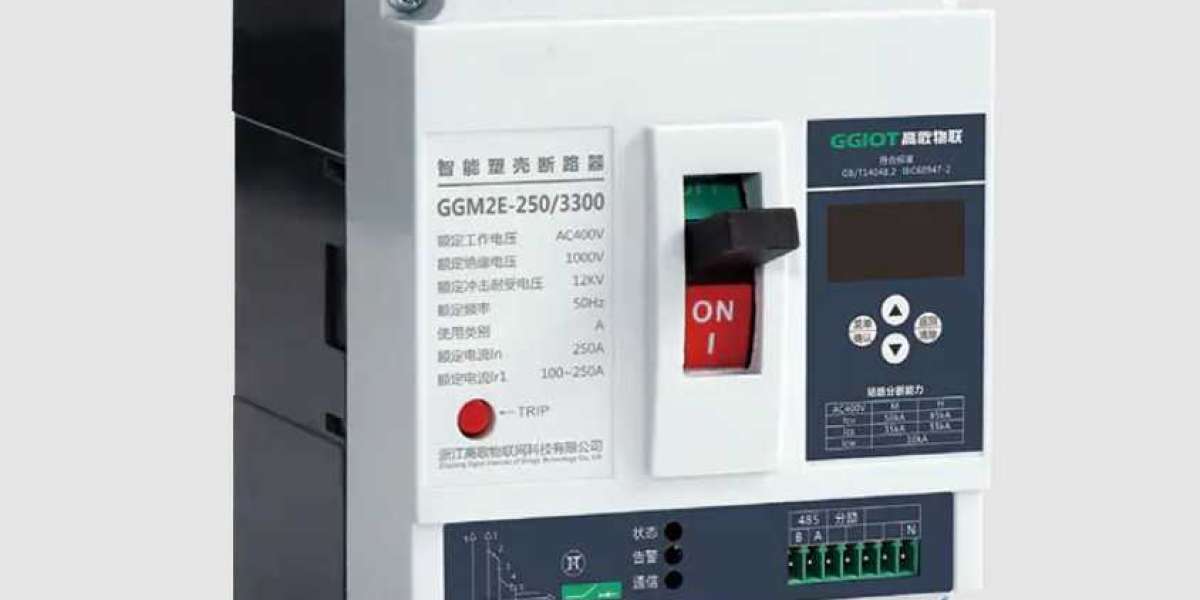
While startup control improves physical performance, it does not by itself address monitoring or response. This is where a 4G remote control circuit breaker becomes relevant. Acting as both a protection device and a communication interface, it allows operators to track system conditions from a distance. Information such as breaker status, fault signals, and switching history can be accessed without on-site inspection.
Remote accessibility does not remove the need for proper design or local safeguards. Instead, it complements them by shortening the feedback loop between event and response. When a breaker trips or a parameter exceeds its expected range, the system can alert responsible personnel promptly. Decisions are then made based on real-time information rather than assumptions.
The combination of these two components supports a layered approach to reliability. The soft starter manages how the motor interacts with the electrical network during its most sensitive phase, while the circuit breaker manages protection and communication throughout the operating cycle. Neither device replaces the other, but together they cover different aspects of system behavior.
In facilities with multiple motors, consistency becomes important. Equipment that starts smoothly places less strain on shared power infrastructure. This can reduce nuisance trips and voltage fluctuations that might otherwise affect neighboring machines. Over time, smoother operation contributes to a more predictable production environment.
Remote control features also influence maintenance planning. Instead of relying solely on scheduled inspections, teams can prioritize attention based on actual system feedback. A circuit breaker that records frequent trips or unusual behavior highlights areas that may require closer inspection. This approach encourages targeted maintenance rather than broad, time-based routines.
Another advantage lies in scalability. As facilities expand or add new equipment, the same principles apply. Bypass soft starters can be selected according to motor ratings, while 4G-enabled breakers can be integrated into existing monitoring platforms. This allows gradual system growth without forcing a complete redesign.
Environmental conditions often influence equipment choices. In locations where personnel access is limited or where equipment operates across long distances, remote visibility becomes particularly valuable. Combined with controlled startup, this visibility helps ensure that motors operate within expected limits even when direct supervision is impractical.