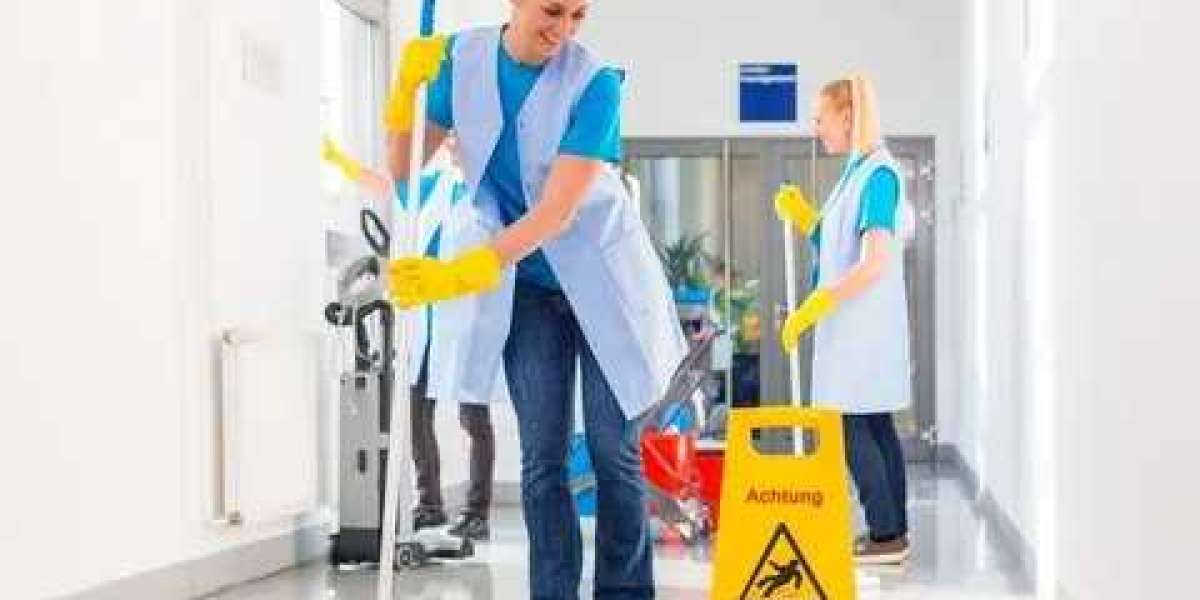
Commercial kitchen cleaning is a crucial part of professional facility maintenance. Clean kitchens directly affect food safety, operational efficiency, staff satisfaction, and regulatory compliance. For property and facility managers, commercial kitchen cleaning is not just about aesthetics — it’s a structured operational responsibility that demands strategic planning, safety oversight, and consistent execution across all commercial cooking environments.
Without a clear commercial kitchen cleaning checklist, maintenance often becomes irregular, reactive, or incomplete. This can result in grease buildup, cross-contamination risks, equipment malfunction, pest infestations, and higher repair costs. A standardized cleaning checklist helps managers maintain consistent hygiene standards across multiple kitchens, equipment types, and areas while ensuring accountability, compliance, and operational efficiency.
This guide provides a comprehensive framework for commercial kitchen cleaning tailored for property managers and facility managers overseeing restaurants, cafes, hotels, catering facilities, and large-scale food service environments. It ensures a professional, safe, and well-maintained cleaning process.
Understanding Commercial Kitchen Cleaning in Facility Management
Commercial kitchen cleaning goes beyond general janitorial work. Unlike standard cleaning, it requires structured planning, specialized techniques, and equipment-specific care. Facility managers must understand these distinctions to maintain kitchen performance, hygiene, and professional standards.
Exposure to grease, heat, and high traffic: Commercial kitchens are constantly exposed to grease, smoke, food residues, heat, and high staff activity. This environment affects surfaces, equipment, and ventilation systems, making scheduled kitchen cleaning essential to prevent long-term damage, contamination, and poor hygiene.
Risk of equipment damage from improper cleaning: Using unsuitable tools or chemicals can damage stainless steel surfaces, cooking equipment, ovens, hoods, or ventilation systems. Facility managers must ensure that approved methods and cleaning agents are used to protect equipment performance, reduce replacement costs, and extend the lifespan of kitchen assets.
Impact of inconsistent cleaning schedules: Irregular kitchen cleaning can lead to hardened grease, blocked drains, clogged filters, and health code violations. A structured cleaning checklist supports consistent maintenance, improves efficiency, and prevents costly operational interruptions.
Safety and compliance considerations: Commercial kitchens introduce multiple hazards, including slippery floors, sharp tools, hot surfaces, and chemical exposure. Facility managers must enforce strict safety protocols to protect staff, prevent accidents, and meet occupational health and food safety regulations.
Commercial Kitchen Cleaning Frequency Planning
Planning is key to maintaining consistent hygiene standards across large kitchens without disrupting operations. A well-defined schedule helps align cleaning priorities with health regulations, operational efficiency, and food safety standards. By mapping high-use areas, managers can prioritize critical surfaces such as cooking equipment, prep stations, and exhaust systems. Structured planning ensures commercial kitchen maintenance is predictable, controlled, and efficient.
Pre-Cleaning Site Assessment
A pre-cleaning assessment identifies physical and operational conditions within the kitchen. Facility managers can detect equipment access limitations, surface sensitivities, and operational hazards. Reviewing kitchen layout and workflow ensures cleaning can proceed without disrupting food preparation or service. Proper assessment supports safer workflows, informed decision-making, and stronger accountability.
Safety and Risk Management
Safety and risk management are fundamental in commercial kitchen cleaning. Facility leaders must identify hazards associated with cleaning hot surfaces, grease-laden hoods, and chemical use. Structured safety protocols protect staff, equipment, and surrounding assets while reducing liability exposure. Effective risk control reinforces facility compliance and operational standards.
Tools, Equipment, and Cleaning Materials
Using proper cleaning tools and materials is essential to preserve kitchen surfaces and equipment. Facility managers must verify that chemicals, brushes, scrubbers, and degreasers comply with food safety regulations and equipment manufacturer recommendations. Equipment readiness ensures effective cleaning while preventing accidental damage, contributing to long-term kitchen asset preservation.
Interior Commercial Kitchen Cleaning
Interior cleaning focuses on prep areas, countertops, sinks, floors, and storage spaces. Clean interior surfaces support food safety, workflow efficiency, and staff satisfaction. Facility managers must monitor for signs of deterioration, pest activity, or residue buildup during routine inspections. Early identification reduces long-term corrective actions and ensures compliance with hygiene standards.
Exterior Kitchen and Equipment Cleaning
Exterior surfaces of kitchen equipment, including ovens, fryers, grills, and refrigeration units, are vital for maintaining operational efficiency and brand image. Regular cleaning prevents grease accumulation, equipment malfunction, and potential fire hazards. Facility managers must ensure exterior cleaning meets safety and operational standards to protect kitchen functionality and staff.
High-Level and Hard-to-Access Areas
High-level areas such as exhaust hoods, ventilation ducts, ceiling vents, and overhead storage require specialized cleaning due to safety and accessibility challenges. Facility managers must coordinate cleaning plans carefully, ensuring authorized personnel follow strict safety procedures. Proper documentation and oversight guarantee these critical areas are maintained with precision.
Kitchen Appliances, Surfaces, and Drains
Commercial kitchen cleaning includes monitoring appliances, counters, sinks, drains, and floor surfaces. These components support sanitation, operational efficiency, and overall kitchen performance. Neglect can lead to equipment breakdown, contamination, and operational inefficiencies. Proper attention preserves long-term kitchen integrity.
Quality Control and Post-Cleaning Inspection
Quality control ensures cleaning standards are consistently met. Facility managers rely on post-cleaning inspections to confirm task completion, verify equipment condition, and identify any maintenance needs. This process strengthens accountability, prevents overlooked hazards, and supports reliable operational performance.
Documentation and Record Keeping
Accurate cleaning records are essential for facility management transparency and planning. Documentation tracks cleaning frequency, inspection results, maintenance trends, and regulatory compliance. Facility managers can use records to support audits, plan budgets, and improve operational decisions. Strong recordkeeping fosters proactive kitchen management.
Benefits of a Structured Commercial Kitchen Cleaning Checklist
A structured checklist provides facility managers with a reliable framework to manage commercial kitchen hygiene across diverse environments. It ensures clarity in oversight, supports consistent cleaning standards, and protects kitchen assets.
Enhanced hygiene and food safety compliance: A defined checklist ensures all critical surfaces and equipment meet sanitation standards, supporting staff safety and regulatory compliance.
Improved accountability within facility operations: Documented checklist use clarifies responsibilities, tracks performance, and strengthens operational oversight.
Protection of kitchen assets and equipment: A structured framework identifies issues early, preventing long-term damage to appliances, surfaces, and ventilation systems.
Enhanced risk management and operational control: Organized checklist management enforces safety procedures, reduces hazards, and supports regulatory compliance.
Conclusion
A well-definedt enab commercial kitchen cleaning checklisles facility managers to maintain control over one of the most critical operational areas of any property. Structured, documented, and consistent cleaning preserves hygiene, protects kitchen equipment, and ensures smooth, safe operations. By implementing a checklist-driven framework, managers gain clarity, accountability, and long-term operational confidence without unnecessary complexity. Effective oversight ensures commercial kitchens remain safe, efficient, and compliant while supporting staff and tenant satisfaction.
Frequently Asked Questions
Why is commercial kitchen cleaning essential for long-term facility upkeep?
Proper cleaning protects equipment, surfaces, and ventilation systems from damage, reduces contamination risk, and maintains operational efficiency.
How does kitchen maintenance affect staff and customer perception?
Clean kitchens enhance food safety, boost staff morale, and reinforce the professionalism of your establishment, creating a positive impression for visitors and regulators.
What role do facility managers play in kitchen cleaning oversight?
Facility managers coordinate cleaning schedules, monitor standards, verify completion, and ensure compliance with safety and hygiene regulations.
Are commercial kitchens different from residential kitchens?
Yes, commercial kitchens include high-capacity appliances, specialized ventilation systems, and high-use surfaces requiring professional cleaning techniques and scheduling.
How does a cleaning checklist improve operational efficiency?
Checklists clarify responsibilities, reduce oversight gaps, and streamline cleaning workflows, supporting consistency across large-scale kitchen environments.
What risks arise from poorly maintained commercial kitchens?
Neglected kitchens can lead to equipment failures, contamination, pest infestations, fire hazards, and regulatory non-compliance.
Why should appliances, surfaces, and drains be included in cleaning plans?
These components are critical to food safety, operational efficiency, and long-term kitchen integrity. Comprehensive cleaning ensures full system performance.
How does documentation support kitchen management decisions?
Records reveal maintenance trends, inspection results, and operational gaps, enabling proactive management and budget planning.
Can kitchen cleaning oversight affect compliance requirements?
Yes, structured oversight ensures adherence to hygiene standards, safety protocols, and regulatory compliance, reducing risk exposure.
What makes professional kitchen cleaning essential for large facilities?
Large commercial kitchens demand consistent sanitation, equipment protection, and safety management. Professional oversight guarantees operational reliability across complex food service environments.