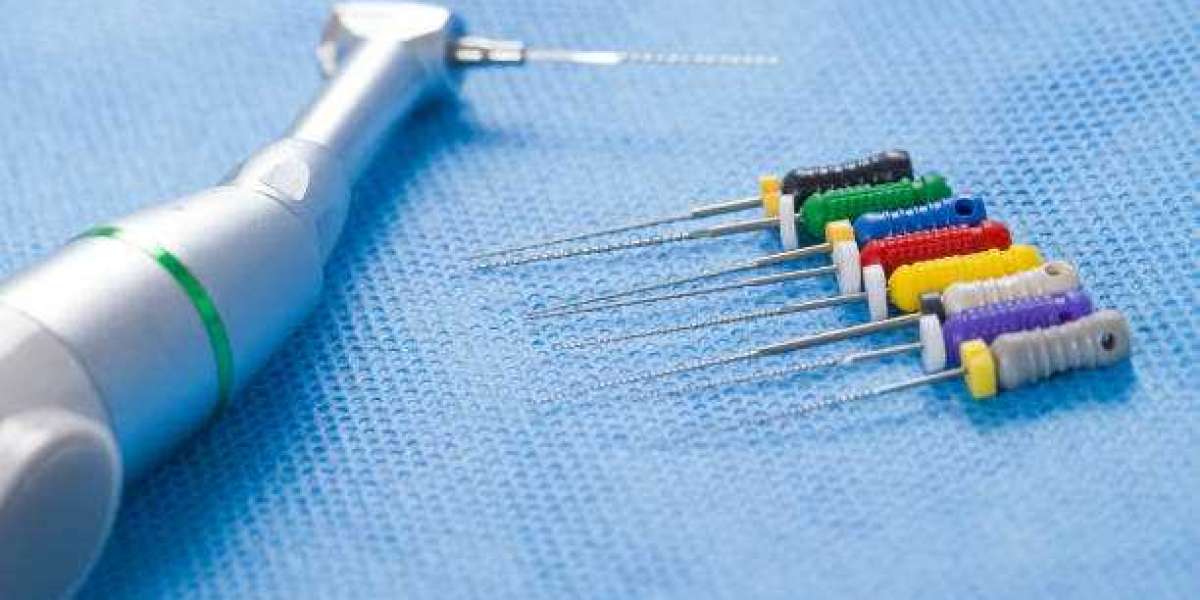

Endodontics can feel overwhelming—especially when you look at a tray full of files, needles, and gadgets and wonder where to even start. But successful root canal treatment isn’t about using more instruments; it’s about using the right instrument at the right time.
This guide breaks down the essential endodontic instruments in a simple, human way—so you know exactly what to use, when to use it, and why it matters.
Why Endodontic Instruments Matter
Every endodontic instruments plays a specific role in cleaning, shaping, and sealing the root canal system. When used correctly, they help you:
Navigate complex canal anatomy
Remove bacteria and infected tissue
Preserve healthy tooth structure
Reduce procedural errors
Poor instrument choice—or poor timing—can lead to ledges, blockages, or incomplete cleaning. That’s why understanding your tools is just as important as mastering the technique.
1: Access Cavity Instruments – Starting Strong
The first step in any root canal treatment is creating proper access.
Common instruments include:
Round burs
Endodontic access burs
Safe-ended diamond burs
These are used to create a clean, straight-line path to the canals. A well-designed access cavity improves visibility, reduces stress on files, and helps prevent missed canals later on. Think of access preparation as laying the foundation—if it’s done well, everything else becomes easier.
2: Hand Files – Feeling Your Way Through the Canal
Hand files are often the first instruments to enter the canal.
Common types:
K-files
H-files
C-files
They are used for canal scouting, glide path creation, and confirming working length. Hand files are especially useful in narrow, curved, or calcified canals because they provide tactile feedback. Even with modern rotary systems, hand files remain essential for control and safety.
3: Rotary Files – Efficient Cleaning and Shaping
Once a glide path is established, rotary files come into play.
These nickel-titanium (NiTi) instruments are powered by an electric motor and are designed to shape canals efficiently while maintaining their natural curvature. Rotary files reduce chair time and physical strain, making them ideal for routine endodontic cases and multi-canal teeth.
However, they should never be forced. Using the correct speed and torque settings—and following the manufacturer’s guidelines—is critical to avoid file separation.
4: Reciprocating Files – Fewer Steps, More Confidence
Reciprocating files work in a back-and-forth motion rather than continuous rotation.
They are commonly used in:
Single-file systems
Severely curved canals
Retreatment cases
Many dentists prefer reciprocating systems because they reduce the number of instruments needed and lower the risk of file fracture. For clinicians looking for simplicity without sacrificing effectiveness, reciprocating files are a reliable option.
5: Irrigation Instruments – Cleaning Beyond the Files
Files shape the canal, but irrigation does the real cleaning.
Common irrigation tools include:
Side-vented needles
Endodontic syringes
Sonic or ultrasonic activators
Irrigants help remove bacteria, pulp tissue, and the smear layer from areas files can’t reach. Proper irrigation throughout the procedure is essential for disinfection and long-term success.
6: Obturation Instruments – Sealing the Canal
After cleaning and shaping, the final step is obturation.
This involves gutta-percha points, spreaders, pluggers, or heated obturation devices. The goal is to seal the canal completely and prevent reinfection. Even the best instrumentation can fail if obturation is inadequate, making this step just as important as the rest.
Final Thoughts
Endodontic success isn’t about owning the latest system—it’s about understanding your instruments and using them thoughtfully. When you know what each tool is designed to do and when to use it, root canal treatment becomes more predictable, efficient, and far less stressful.
Master the instruments, and you’ll master endodontics—one canal at a time. ?