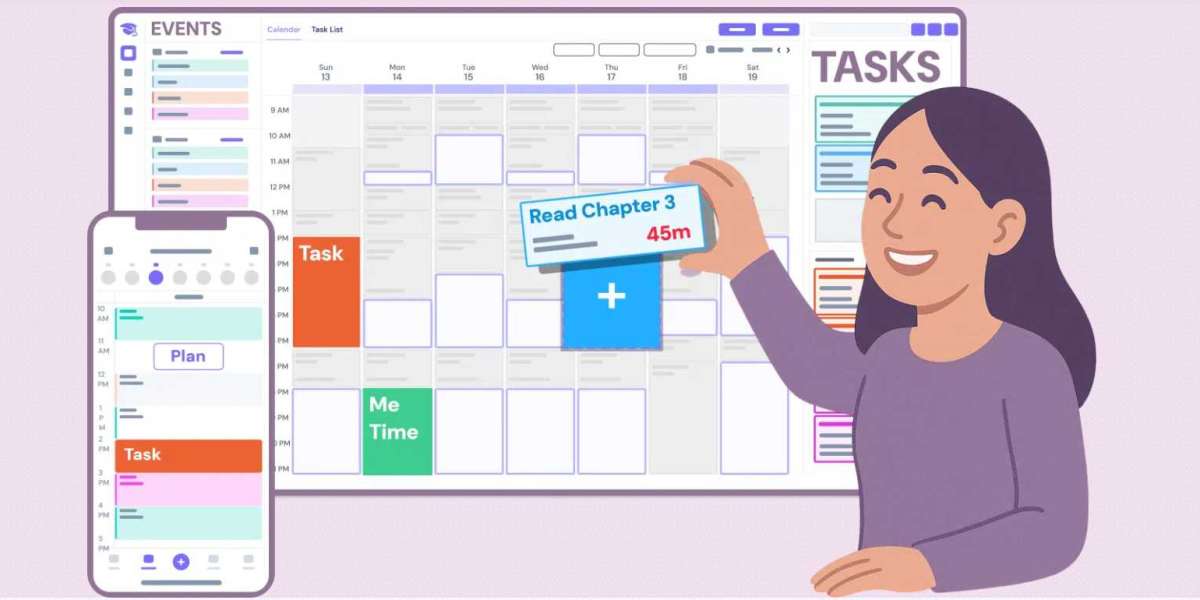

Many students think a standard Google Calendar is enough for college. However, a calendar only tells you when you are busy; it doesn't tell you if you have enough time to finish your work. A specialized study planner bridges this gap by calculating the "time available" versus the "time required" for your assignments.
Understanding Your Study Planner Capacity
Every student has a finite number of hours in a week. Between classes, sleep, and personal chores, your "study window" might be smaller than you think. Using a tool that tracks these hours helps you realize exactly when you need to start working to meet a deadline comfortably.
Tracking Progress vs. Just Tracking Dates
A date on a calendar is just a reminder. A task in a planner is a commitment. Tracking your progress through a project gives you a sense of accomplishment. It also helps you identify which subjects are your "time sinks" so you can adjust your study methods for better efficiency.
Integrating Multiple Syllabi
Handling five different classes means handling five different sets of rules and dates. A centralized planner brings all of this data into one view, ensuring that no minor quiz or discussion post slips through the cracks.
Subheadings: The Power of Visual Organization
Visualizing your week helps you identify "dead time"—those 30-minute gaps between classes. These are perfect for quick tasks like reviewing flashcards or checking emails, freeing up your evenings for longer study sessions.
Bullet Points: Digital Planning Advantages
- Automated calculations of workload density.
- Integration with school management systems.
- Customizable categories for different subjects.
- Cloud storage so you never lose your schedule.
Numbered Points: Setting Up Your Digital Workspace
- Clear your desk of physical clutter.
- Open your digital planning tool on your main screen.
- Review the tasks for the next four hours.
- Minimize all non-essential browser tabs before starting.
Conclusion
A standard calendar is a reactive tool, but a study planner is a proactive one. By understanding your capacity and tracking your progress, you gain a level of control over your education that most students never achieve. Invest the time in planning now, and you will save hundreds of hours of stress later.