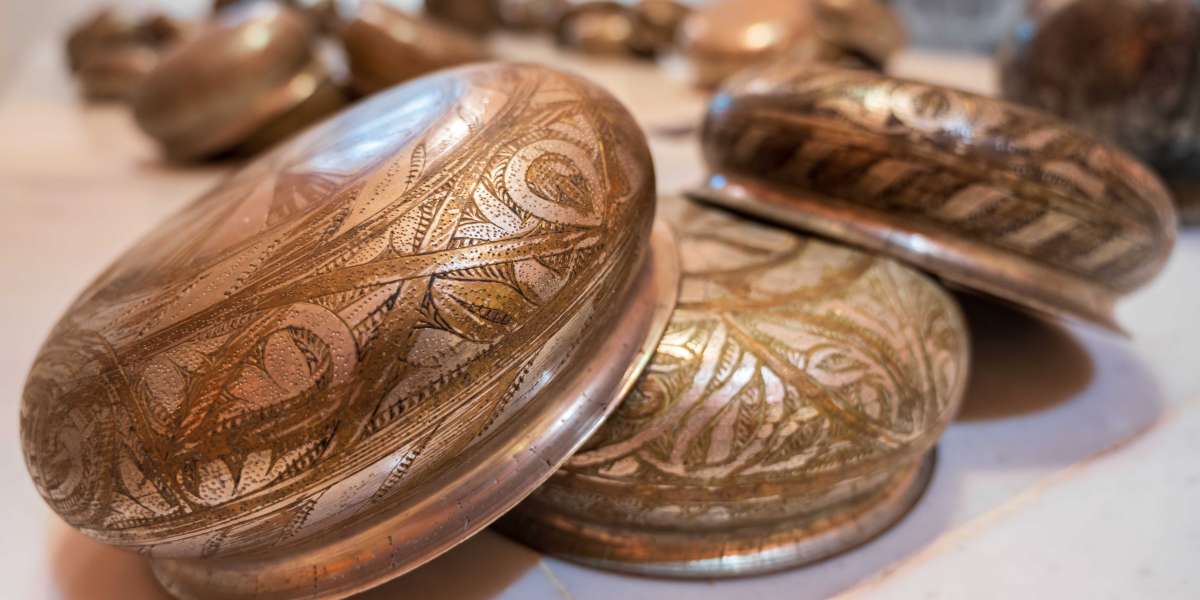

Antique brass plating is a specialized metal finishing process that gives metal surfaces a rich, aged appearance while preserving durability and strength. Known for its warm golden-brown tones and vintage charm, antique brass plating is widely used in architectural hardware, decorative items, furniture fittings, lighting fixtures, and restoration projects. This finish blends old-world elegance with modern performance, making it a popular choice for both residential and commercial applications.
In this guide, we’ll explore what antique brass plating is, how the process works, its benefits, applications, maintenance requirements, and why it continues to be a preferred finish in timeless design.
What Is Antique Brass Plating?
Antique brass plating is an electroplating or chemical plating process where a layer of brass is deposited onto a base metal such as steel, zinc, copper, or aluminum. After plating, the surface undergoes controlled aging, patination, or antiquing treatments to achieve a darker, weathered, and vintage look.
Unlike polished brass, which is shiny and reflective, antique brass has muted tones, subtle variations, and a slightly worn appearance that mimics naturally aged brass over time.
The Antique Brass Plating Process
The antique brass plating process involves several precise steps to ensure quality, adhesion, and consistent finish:
Surface Preparation
The base metal is thoroughly cleaned to remove oils, rust, dirt, and oxidation. This step is crucial for proper adhesion of the brass layer.
Pre-Treatment and Activation
The metal surface is treated with chemical solutions to activate it and prepare it for electroplating.
Brass Electroplating
Using an electrochemical process, a thin layer of brass alloy (typically copper and zinc) is deposited onto the surface.
Antiquing or Patination
Special chemicals or controlled oxidation techniques are applied to darken the brass and create an aged appearance. This step defines the antique character of the finish.
Sealing and Protection
A clear lacquer or protective coating is applied to preserve the antique brass plating, prevent tarnishing, and enhance durability.
Key Benefits of Antique Brass Plating
Timeless Aesthetic Appeal
Antique brass plating delivers a classic, vintage look that enhances both traditional and modern designs.
Enhanced Durability
The plating adds corrosion resistance and surface protection, extending the lifespan of metal components.
Cost-Effective Alternative
It offers the appearance of solid brass without the high cost and weight of solid brass materials.
Versatile Finishing Options
Different shades, textures, and levels of antiquing can be customized to meet specific design requirements.
Low Maintenance
With proper sealing, antique brass plating requires minimal upkeep compared to untreated brass.
Applications of Antique Brass Plating
Antique brass plating is used across a wide range of industries and design applications:
Architectural Hardware
Door handles and knobs
Hinges and locks
Cabinet handles and pulls
Furniture and Interior Décor
Decorative trims
Table legs and frames
Vintage-style furniture fittings
Lighting Fixtures
Chandeliers
Wall sconces
Lamp bases
Restoration and Heritage Projects
Antique furniture restoration
Historical building refurbishments
Vintage automobile components
Commercial and Hospitality Spaces
Hotels, restaurants, and retail stores often use antique brass finishes to create warm, luxurious interiors.
Antique Brass Plating vs Solid Brass
Many people wonder whether to choose antique brass plating or solid brass. Here’s a comparison:
Appearance: Both offer a similar aged look when finished properly.
Cost: Antique brass plating is significantly more affordable.
Weight: Plated items are lighter and easier to install.
Customization: Plating allows for greater flexibility in base materials.
Durability: With proper coating, plated finishes can be highly durable.
Customization Options in Antique Brass Plating
One of the biggest advantages of antique brass plating is customization. Finishes can range from lightly aged to deeply distressed. Options include:
Matte antique brass
Dark antique brass
Brushed antique brass
Hand-rubbed antique finishes
These variations allow designers and manufacturers to achieve unique and consistent results.
Maintenance and Care Tips
To keep antique brass plating looking its best:
Clean gently with a soft cloth
Avoid abrasive cleaners or harsh chemicals
Use mild soap and water when necessary
Reapply protective wax or polish if recommended
Keep plated items dry and free from moisture buildup
Proper care ensures the finish retains its character and does not tarnish prematurely.
Environmental Considerations
Modern antique brass plating processes increasingly use eco-friendly chemicals and waste management systems. Reputable plating providers comply with environmental regulations and use sustainable practices to minimize environmental impact.
Why Choose Professional Antique Brass Plating Services?
Professional plating services ensure:
Uniform coating thickness
Strong adhesion
Consistent antique appearance
Long-lasting protective sealing
Experienced technicians use advanced equipment and quality control methods to deliver premium results for both small and large projects.
Industries That Benefit from Antique Brass Plating
Architecture and construction
Interior design
Furniture manufacturing
Hospitality and retail
Restoration and heritage conservation
These industries rely on antique brass plating to combine aesthetics with performance.
Future Trends in Antique Brass Plating
As design trends shift toward warm tones and vintage aesthetics, antique brass plating continues to gain popularity. Designers are blending antique brass with modern materials like glass, wood, and concrete to create striking contrasts that feel both classic and contemporary.
Conclusion
Antique brass plating is more than just a metal finish—it’s a design statement that brings warmth, elegance, and timeless appeal to any product or space. By offering the beauty of aged brass with enhanced durability and affordability, antique brass plating remains a preferred choice across industries. Whether used in architectural hardware, decorative elements, or restoration projects, this finish delivers enduring charm and practical performance.