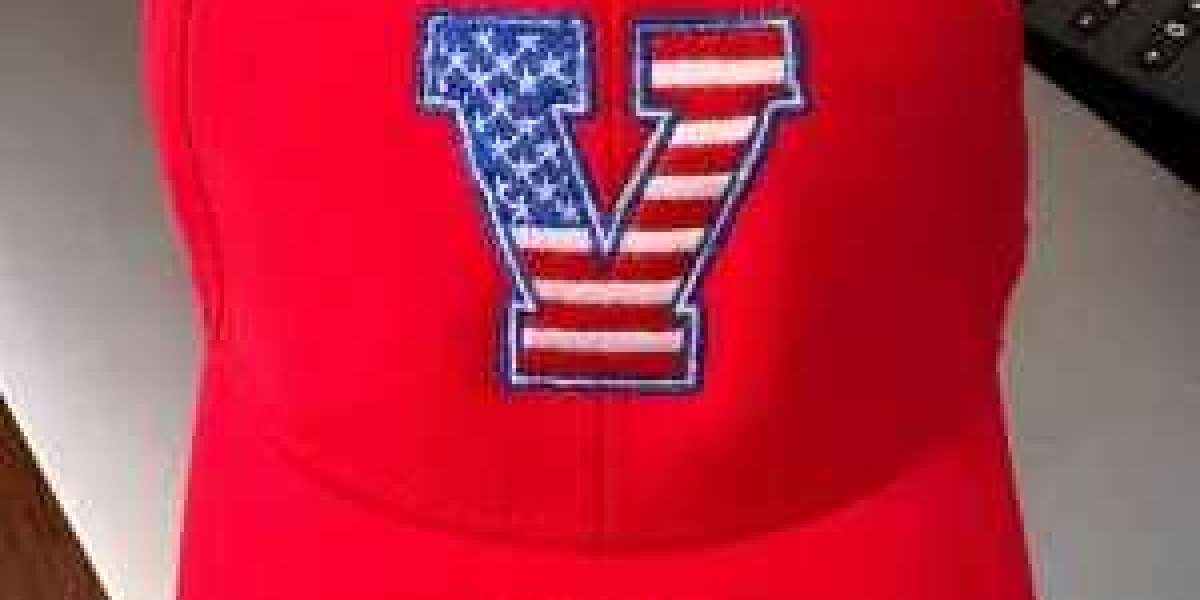

Custom embroidery on hats presents challenges that go beyond standard garments. The curved surfaces, structured panels, and varying crown heights make it essential to handle designs with care. Businesses and hobbyists alike rely on premium hat digitizing to convert artwork into precise embroidery patterns that fit perfectly on every type of hat.
Hat digitizing is more than just translating an image into stitches. It requires technical knowledge, advanced software skills, and an understanding of how fabric behaves under tension. When executed correctly, premium digitizing ensures logos and designs retain their proportions, clarity, and durability even after repeated use and washing.
Why Premium Hat Digitizing Is Important
Hats require unique adjustments to achieve professional embroidery. Without proper digitizing, designs may stretch, distort, or create puckering. Premium digitizing addresses these challenges through careful planning and technical adjustments:
- Ensures designs follow the hat’s curve accurately, preventing distortion.
- Optimizes stitch density and underlay to reduce thread breakage and fabric damage.
- Adjusts designs for various fabrics, including cotton, polyester, wool blends, and mesh.
- Minimizes production errors, saving time and reducing material waste.
By investing in high-quality digitizing, embroidery projects achieve consistent results that enhance both product quality and customer satisfaction.
Core Elements of Premium Hat Digitizing
Producing precise embroidery requires more than simply converting an image to a stitch file. Key elements of professional hat digitizing include:
- Design Analysis: Evaluating artwork to select appropriate stitch types, angles, and density.
- Fabric Assessment: Considering how different materials respond to stitching, including stretch and thickness.
- Stitch Path Optimization: Planning stitch sequences to prevent jumps, thread breaks, and puckering.
- Underlay Techniques: Adding foundational stitches to stabilize the fabric and support the design.
- Shape Compensation: Adjusting designs to account for front panel curves, crown height, and brim shape.
- Thread Selection: Matching thread type and color for consistency and durability.
Each step ensures that embroidery is both accurate and durable, providing a professional appearance even on complex designs.
Benefits for Businesses
For companies offering custom apparel, professional hat digitizing delivers clear advantages:
- Brand Consistency: Clear, precise logos enhance recognition and credibility.
- Customer Satisfaction: Well-executed embroidery maintains quality over time, encouraging repeat purchases.
- Expanded Options: Businesses can offer intricate designs or small text that may be difficult to embroider without expert digitizing.
- Efficiency: Optimized designs streamline production and reduce errors, making high-volume orders more manageable.
Common Misconceptions
Not all digitized designs are suitable for hats. Understanding common mistakes helps avoid wasted time and materials:
- “Any design file works for any hat.” Each hat style may require adjustments to maintain proportions and avoid distortion.
- “More stitches equal better quality.” Excessive stitching can damage the fabric or create puckering. Expert digitizers balance stitch density for optimal results.
- “Software alone is sufficient.” While software assists the process, skilled digitizers ensure that complex designs adapt correctly to different hat shapes.
Choosing a Reliable Digitizing Service
Selecting the right digitizing service is critical for achieving quality embroidery. Look for services that provide:
- Expertise in hat-specific embroidery challenges.
- Custom adjustments for different fabrics and hat structures.
- Multiple file formats compatible with various embroidery machines.
- Clear communication and revision options to ensure the final design meets expectations.
Frequently Asked Questions
What is hat digitizing, and why is it different from regular embroidery digitizing?
Hat digitizing involves converting a design into a stitch file specifically adapted to the curved and structured surfaces of hats. Unlike flat garments, hats require adjustments in stitch density, angles, and underlay to prevent distortion and puckering.
Can any design be used for hat embroidery?
Not every design works on every hat style. Designs may need resizing, reshaping, or adjustments to stitch paths to ensure a clean and proportional result on curved surfaces.
How does fabric type affect the digitizing process?
Different fabrics respond differently to stitching. Stretchable or mesh fabrics require special underlay techniques and stitch density adjustments to maintain design integrity.
Why is professional digitizing important for businesses?
Professional digitizing ensures consistent, high-quality embroidery, reduces production errors, and allows businesses to offer detailed and complex designs, which can enhance brand credibility and customer satisfaction.
Conclusion
Premium hat digitizing combines technical expertise with attention to detail to produce precise, durable, and visually accurate embroidery. From small logos to intricate designs, professionally digitized files ensure that every hat retains its shape and appearance over time. By choosing a reliable digitizing service, businesses and hobbyists can produce high-quality embroidery that meets customer expectations while optimizing production efficiency.