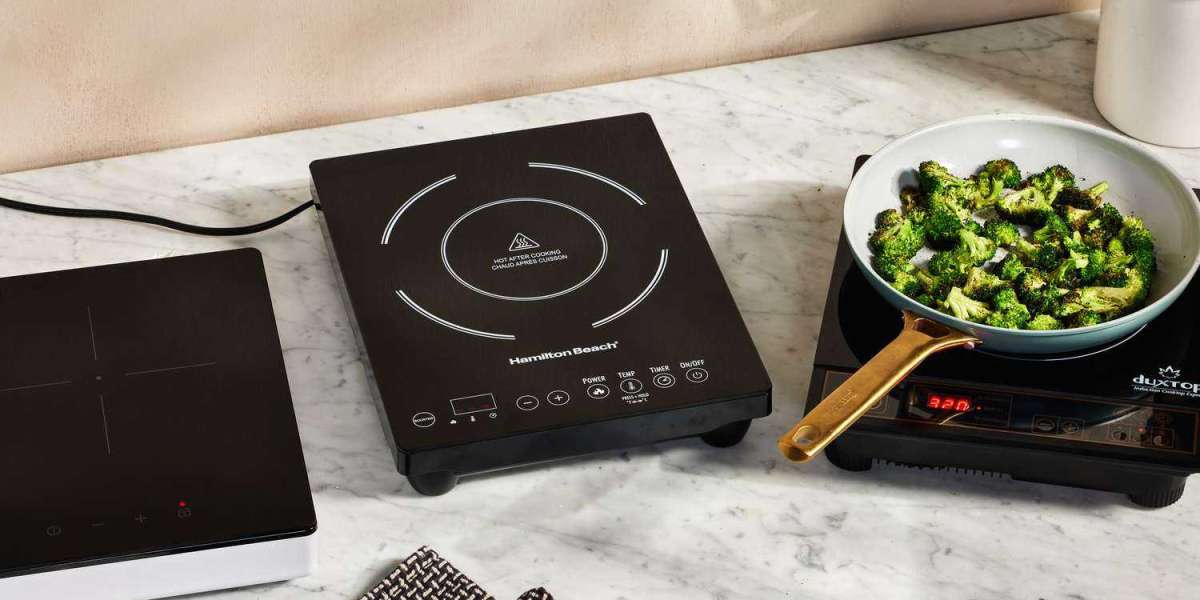

A built in induction cooktop is a built-in kitchen appliance that mounts into a countertop cutout and heats food using electromagnetic energy. It looks sleek, keeps the counter line clean, and delivers fast cooking with strong temperature control. If you have only used gas or standard electric, induction can feel like a big jump. It is not magic, though. It is physics doing you a favor. The cooktop creates a magnetic field that heats the pan itself, so heat goes where it is needed most. That is why many homes choose a built in induction cooktop when remodeling a kitchen, upgrading from gas, or switching to an easier-to-clean surface.
Why a Built In Induction Cooktop Is Different From Other Cooktops
Gas cooktops heat the air and the pan. Radiant electric heats a metal element, then the glass, then the pan. Induction skips the middle steps. With a built in induction cooktop, the pan becomes the heating element. That shift changes everything: speed, efficiency, safety, and the feel of cooking. You get faster boiling and more precise control because the cooktop can adjust energy output quickly. You also get less wasted heat in the kitchen because there is no open flame and no glowing red burner radiating heat into the room.
The real meaning of “efficiency” in daily cooking
Efficiency is not only about electricity use. It is about how much heat reaches your food instead of escaping into the room. Induction tends to send more energy into the pot and less into the air. That can shorten cook time, reduce kitchen heat, and make cooking more comfortable during warm seasons.
What “pan detection” changes
Most induction cooktops only activate when a pan is present. That reduces accidental heating and makes the appliance feel safer, especially in homes with children. It also prevents energy waste because the zone does not run without cookware.
How Induction Heating Works in Simple Terms
Under the glass surface are copper coils. When power flows through them, they create a changing magnetic field. If you place a compatible pan on the zone, that field induces electrical currents in the pan’s base. Those currents generate heat through resistance, and the pan heats rapidly. The cooktop surface stays cooler than traditional electric because it is not the primary heat source. It warms mostly from contact with the hot cookware.
Cookware compatibility is not optional
A built in induction cooktop requires magnetic cookware. Cast iron works well. Many stainless-steel pans work, but you must test them because some stainless has non-magnetic alloys. Aluminum and copper do not work unless they have a magnetic layer bonded to the base.
A quick test you can do at home
Use a fridge magnet. If it sticks strongly to the bottom of the pan, induction will likely work. If it barely sticks or slides off, the cooktop may not detect the pan or may heat unevenly.
Key Benefits of a Built In Induction Cooktop
The most obvious benefit is speed. Induction can bring water to a boil quickly and can recover heat fast after you add cold ingredients. The second benefit is control. You can lower the heat instantly without waiting for a coil to cool down. The third benefit is cleanup. The smooth glass surface wipes clean, and spills are less likely to burn on because the cooktop is cooler than radiant electric.
Safety and comfort benefits
Induction reduces open-flame risks and keeps the kitchen cooler. Most models include child locks, auto shutoff, and overheat protection. Even though the surface can become hot after cooking, it typically cools faster than other cooktops because it is not directly generating high surface heat.
Why everyday cooking feels easier
Because response is quick, cooking becomes more predictable. You can simmer, sear, and sauté with fewer surprises. Think of it like driving a car with sharper brakes and better steering. You still need skill, but the machine follows your intent faster.
What to Check Before You Buy
Start with your kitchen layout. Built in induction cooktop sizes are often 60 cm, 75 cm, 80 cm, or 90 cm, but options vary. Measure the countertop cutout space and confirm clearance below. Some cabinets need airflow space. If you have a drawer under the cooktop, you may need a heat shield or extra clearance. Also check whether you want four zones, five zones, or a layout that supports large pans and wide cookware.
Electrical requirements matter more than features
A built in induction cooktop typically needs a dedicated electrical circuit. Many models require higher voltage and amperage than standard outlets. If you are switching from gas, you may need wiring upgrades. Budget for this. A great cooktop with a weak electrical setup is like a sports car on flat tires.
Power levels and boost mode
Many models include a “boost” function that temporarily increases power for rapid boiling or quick searing. This is useful for pasta water, stir-fry prep, and fast heating. It can also increase fan noise, so expect that during high-power cooking.
Features That Actually Improve Cooking
Some features sound impressive but do little. Focus on what changes daily use. A bridge zone can combine two burners into one large heating area. This helps for griddles, long pans, and large stockpots. A good timer system helps for multi-dish cooking. Stable low heat helps with sauces, milk, and chocolate. Responsive controls reduce frustration and prevent overshooting temperatures.
Controls: sliders, steps, and touch panels
Sliders can be fast, but some people dislike them with wet hands. Stepped controls can be slower but more predictable. Touch panels look clean but can feel fussy if the interface is poorly designed.
Noise and cookware “hum”
Induction can produce a quiet hum, especially with thinner pans. You may also hear a cooling fan. This is normal. Better cookware often reduces noise, and most users stop noticing it after a short time.
Mistakes to Avoid When Choosing a Built In Induction Cooktop
Do not assume all cookware will work. Do not ignore the electrical setup. Do not buy a cooktop with small zones if you cook with large pans daily. Also avoid choosing only by wattage. Real performance depends on zone design, control quality, and how well your cookware matches the zones.
A simple buying checklist
Measure your cutout and cabinet clearance. Confirm your circuit capacity. Decide how many zones you need. Check for a bridge zone if you use long cookware. Test your pans with a magnet. Choose controls you will enjoy using every day.
Final takeaway
A built in induction cooktop is a clean, fast, and modern upgrade when it matches your kitchen and your cooking habits. If you plan installation correctly and choose the right zone layout and controls, it can make daily cooking smoother and more enjoyable, while keeping the kitchen easier to clean.