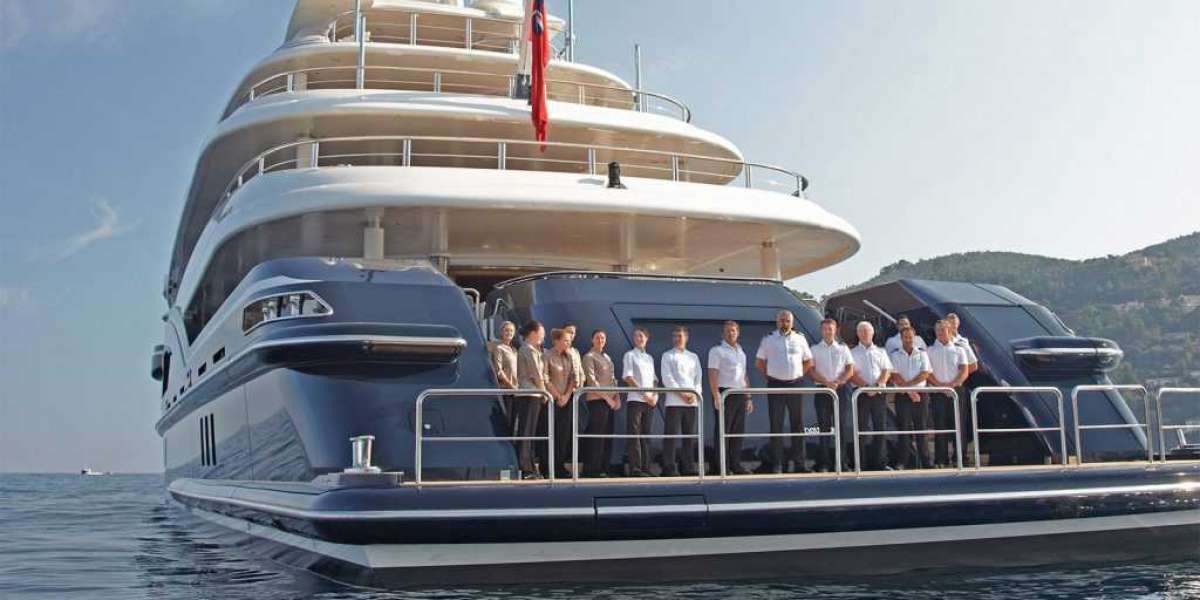

Building a Strong Foundation for Life at Sea
A career at sea requires more than passion for travel and adventure. It demands discipline, responsibility, and practical knowledge. Enrolling in a yachting course helps individuals build the right foundation from the start. This training introduces the realities of maritime work clearly and honestly. Students learn what life onboard truly involves. These early lessons prepare them mentally and physically.
Moreover, the maritime industry values trained professionals. Yacht owners and captains expect crew members to understand their roles. Without proper skills, it becomes difficult to succeed long term. Structured training removes uncertainty and builds confidence. It also sets clear expectations for behavior and performance. A strong foundation supports every future step at sea.
Safety Awareness and Emergency Response Skills
Safety remains the most critical skill at sea. Every crew member must respond calmly during emergencies. Training focuses on fire prevention, evacuation, and first aid. These skills protect lives and property onboard. Knowing what to do during emergencies builds trust within the crew. Calm responses reduce panic and confusion.
In addition, safety awareness becomes a daily habit. Crew members learn to identify risks early. Preventive actions reduce accidents significantly. Employers value crew who prioritize safety. This mindset supports long term career growth. Safety skills never lose importance in maritime work.
Firefighting and First Aid Training
Fire presents serious danger on yachts. Training teaches how to control and extinguish fires safely. Crew learn how to use equipment properly. These skills save lives during critical moments.
First aid training prepares crew for medical emergencies. Immediate response often matters more than advanced care. Understanding injuries and basic treatment helps stabilize situations. These skills bring confidence during emergencies. Prepared crew members stand out professionally.
Navigation and Seamanship Knowledge
Understanding navigation supports smooth yacht operations. Crew learn basic chart reading and route planning. This knowledge improves situational awareness onboard. Seamanship skills include rope handling and anchoring. These tasks require precision and teamwork. Training ensures correct techniques become second nature.
Furthermore, navigation knowledge supports safety and efficiency. Crew understand weather conditions and sea behavior. This awareness reduces risks during voyages. Completing a yachting course introduces these essential concepts early. Confidence grows as skills improve. Seamanship remains a core maritime skill.
Practical Deck Skills and Boat Handling
Deck work demands physical coordination and awareness. Tasks include mooring, cleaning, and equipment handling. Training builds strength and endurance gradually. Proper techniques prevent injuries.
Boat handling knowledge improves teamwork. Crew understand commands and respond quickly. Clear communication ensures smooth operations. These skills support professionalism onboard. Practical experience builds reliability and trust.
Communication and Teamwork Abilities
Yachts operate through teamwork. Crew members rely on each other daily. Clear communication prevents misunderstandings and mistakes. Training emphasizes respectful and direct communication. This approach improves onboard harmony.
Additionally, teamwork strengthens problem solving. Crew face challenges together at sea. Supporting each other builds strong working relationships. Employers value cooperative crew members. A yachting course encourages collaboration from the beginning. Team skills enhance overall performance.
Working in Multicultural Environments
Yacht crews often come from different countries. Cultural awareness improves communication. Respect for diversity strengthens teamwork. Training highlights professionalism across cultures.
Understanding cultural differences avoids conflict. Adaptability becomes an asset. Global exposure enriches personal growth. Crew who communicate well succeed faster. These skills support international careers.
Hospitality and Guest Service Skills
Luxury yachts focus heavily on guest experience. Crew interact with guests daily. Hospitality skills ensure comfort and satisfaction. Training covers service etiquette and attention to detail. Professional behavior reflects yacht standards.
Moreover, service quality affects reputation. Guests remember positive experiences. Crew who provide excellent service receive better recommendations. Completing a yachting course prepares individuals for these expectations. Hospitality skills enhance employability. Service excellence opens better opportunities.
Maintaining Professional Standards Onboard
Professional appearance and attitude matter. Crew follow dress codes and conduct guidelines. Training reinforces these standards clearly. Consistency builds trust with guests.
Attention to detail improves service quality. Cleanliness and organization create comfort. Professional standards reflect yacht values. Crew pride shows in their work. These habits support career advancement.
Physical Fitness and Mental Resilience
Maritime work challenges both body and mind. Long hours and changing conditions demand endurance. Training prepares students physically for onboard duties. Fitness reduces injury risk and fatigue. Mental resilience helps handle pressure.
In addition, life at sea requires adaptability. Crew manage limited space and privacy. Emotional balance becomes essential. A yachting course introduces coping strategies early. Resilient individuals perform better under stress. Mental strength supports long term success.
Managing Stress and Workload
Busy charter seasons test endurance. Crew work extended hours during trips. Time management helps balance responsibilities. Training encourages healthy routines.
Rest and recovery matter between duties. Crew learn to recognize burnout signs. Managing stress improves performance. Mental resilience protects wellbeing. Balanced individuals sustain maritime careers.
Career Awareness and Professional Growth Skills
Understanding career paths helps set goals. Training explains entry level and advanced roles. Crew learn how experience leads to promotion. This clarity motivates progress. Career planning becomes intentional.
Networking also plays a role. Training environments connect students with industry professionals. These connections open job opportunities. A yachting course supports long term planning. Professional growth becomes achievable. Knowledge empowers smart decisions.
Continuous Learning in the Maritime Industry
Maritime careers require ongoing learning. New certifications unlock higher positions. Training encourages skill upgrades regularly. Continuous learning keeps crew competitive.
Staying updated improves safety and efficiency. Employers respect proactive professionals. Growth mindset supports advancement. Learning never stops at sea. Commitment to improvement ensures longevity.
Final Thoughts on Skills for Maritime Success
A successful maritime career requires diverse skills. Technical knowledge, safety awareness, and communication all matter. Personal resilience and professionalism support daily challenges. Structured training builds these abilities effectively.
Choosing the right yachting course prepares individuals for real world demands. Skills gained support confidence and growth. With dedication, these skills open lasting opportunities. A strong skill set leads to a fulfilling maritime path.