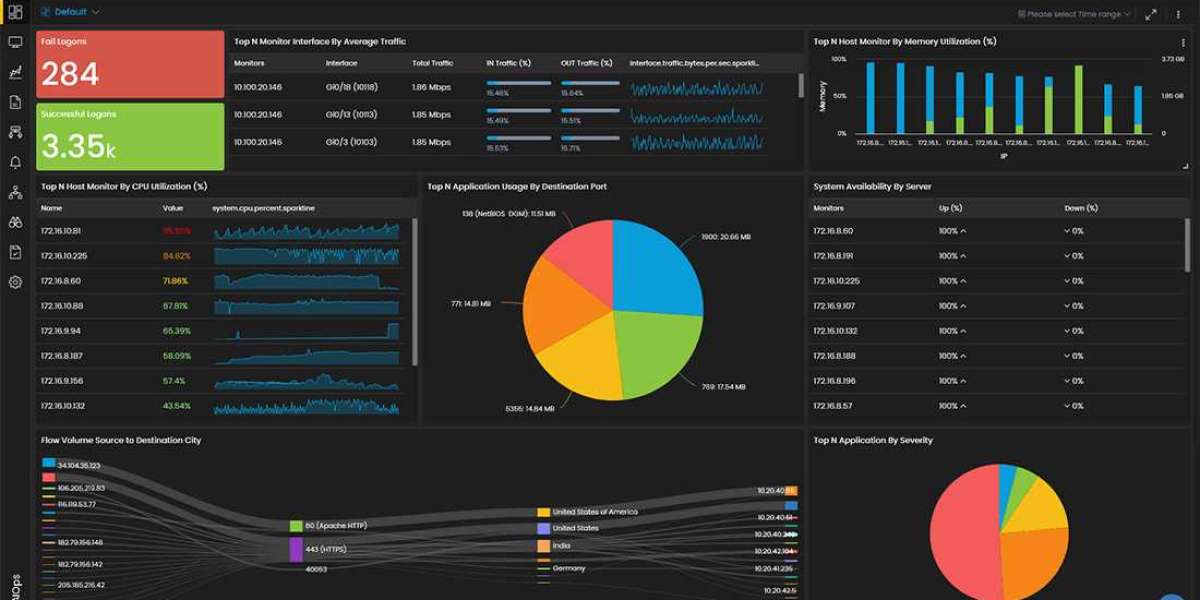

In today’s digital world, organizations depend on reliable networks to support business operations, communication, and data exchange. Any network downtime or performance issue can result in productivity loss and financial impact. Network Monitoring Software helps businesses maintain a stable, secure, and high-performing network by providing real-time visibility and proactive issue detection.
Network monitoring software is a solution designed to continuously track the health and performance of network devices, servers, and connections. It monitors routers, switches, firewalls, and other network components to detect issues such as latency, packet loss, bandwidth congestion, and device failures. By analyzing network data in real time, IT teams can quickly identify and resolve problems before they affect users.
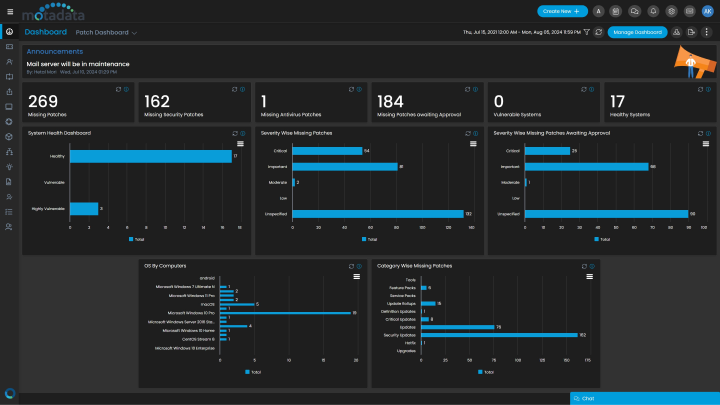
One of the key benefits of network monitoring software is real-time network visibility. Centralized dashboards display critical metrics such as network uptime, response time, and traffic flow. This allows administrators to monitor the entire network from a single interface and identify performance bottlenecks efficiently.
Another major advantage is proactive alerting and faster incident response. Network monitoring tools send automated alerts when performance thresholds are exceeded or unusual behavior is detected. This enables IT teams to respond immediately, reducing downtime and preventing small issues from escalating into major outages.
Network monitoring software also plays a vital role in network security. By monitoring traffic patterns and device activity, it helps detect unauthorized access, suspicious behavior, and potential cyber threats. Early threat detection allows organizations to strengthen their security posture and protect sensitive data.
Scalability is an important feature of modern network monitoring software. As businesses expand their IT infrastructure with cloud services, remote offices, and mobile users, monitoring becomes more complex. Network monitoring solutions are designed to scale easily and support hybrid and cloud-based environments without compromising performance.
In addition, network monitoring software supports capacity planning and optimization. Historical performance data and reports provide insights into bandwidth usage, peak traffic periods, and resource consumption. These insights help organizations plan network upgrades, optimize resources, and reduce operational costs.
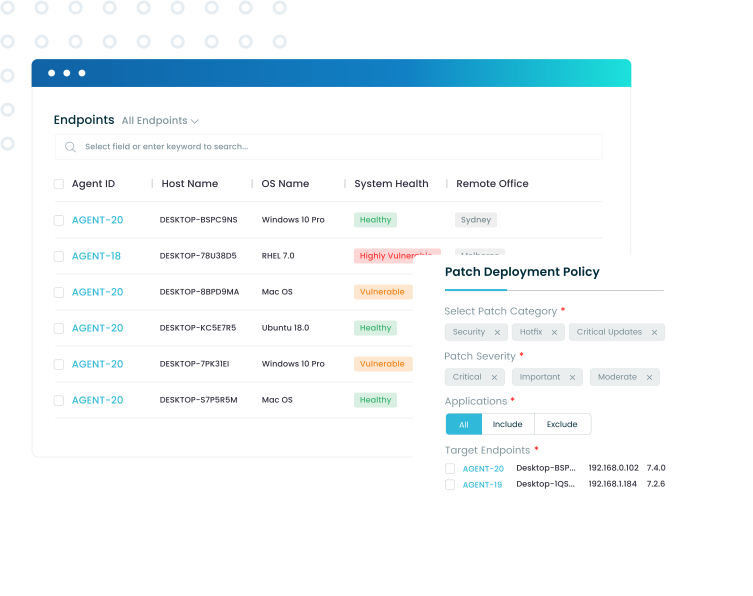
Troubleshooting is another area where network monitoring software adds value. When network issues occur, detailed logs and analytics help IT teams quickly identify the root cause. This reduces mean time to resolution (MTTR) and improves overall service reliability.
Modern network monitoring software integrates seamlessly with other IT management and automation tools. Integration with ticketing systems, cloud platforms, and DevOps tools enables streamlined workflows and centralized network management.
visit now for about us :- application performance monitoring
In conclusion, network monitoring software is essential for maintaining a reliable and secure network infrastructure. By providing real-time insights, proactive alerts, enhanced security, and performance analytics, it empowers organizations to manage their networks effectively. Investing in the right network monitoring software helps businesses minimize downtime, improve performance, and deliver a consistent digital experience to users.