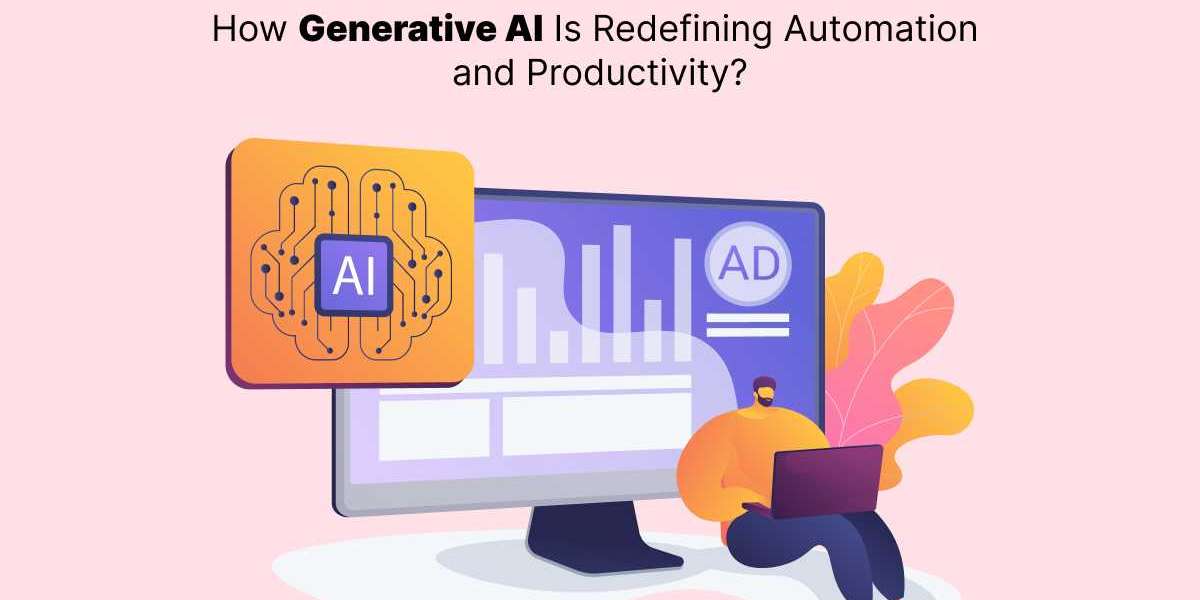

Automation has always been part of business growth, but generative AI has taken it to an entirely new level. In 2026, automation is no longer limited to rule-based systems or simple task execution. Generative AI brings intelligence, context, and adaptability into automated processes, changing how work gets done across industries. It is helping businesses become more productive, reduce manual effort, and unlock new ways of working that were not possible before.
Generative AI is redefining productivity by assisting people rather than just replacing tasks. It understands language, learns from data, and produces outputs that feel human-like. This allows organizations to automate complex workflows, support decision-making, and improve efficiency without sacrificing quality. In this article, we will explore how generative AI is reshaping automation and productivity in clear, simple language.
Understanding Generative AI in the Context of Automation
Generative AI refers to artificial intelligence systems that can create content, such as text, images, code, summaries, and recommendations. Unlike traditional automation tools that follow fixed rules, generative AI understands context and adapts to new inputs.
In automation, this means tasks are no longer limited to predefined steps. Generative AI can handle variability, understand intent, and make decisions based on patterns. This flexibility allows businesses to automate work that once required human judgment, significantly improving productivity.
Why Traditional Automation Has Reached Its Limits
Traditional automation relies on clear rules and structured data. While effective for repetitive tasks, it struggles with unstructured information such as emails, documents, or conversations.
As businesses grow more complex, these limitations become clear. Generative AI overcomes these challenges by working with unstructured data and learning from examples. This shift allows automation to move beyond basic execution into intelligent assistance.
How Generative AI Improves Productivity at Scale
Productivity is about achieving more output with the same or fewer resources. Generative AI improves productivity by reducing time spent on routine and repetitive work.
Tasks such as drafting emails, creating reports, summarizing meetings, and responding to common queries can be handled by AI. Employees can then focus on strategic, creative, and decision-based work. Over time, this leads to higher efficiency and better use of human skills.
Automating Knowledge-Based Work
One of the biggest changes brought by generative AI is the automation of knowledge-based tasks. These tasks involve thinking, analysis, and communication rather than physical execution.
Generative AI can analyze documents, extract insights, and generate explanations. For example, it can summarize long reports, compare data sets, or generate recommendations. Automating knowledge work saves time and improves consistency across teams.
Enhancing Employee Efficiency Rather Than Replacing Jobs
There is often concern that automation replaces human jobs. Generative AI shifts the focus from replacement to enhancement.
Instead of removing roles, AI supports employees by acting as a virtual assistant. It handles repetitive parts of the job, allowing people to work faster and with more confidence. This collaboration between humans and AI leads to higher productivity and better job satisfaction.
Redefining Workflow Automation
Workflow automation traditionally focuses on moving tasks from one step to another. Generative AI adds intelligence to these workflows.
AI can decide the next best action, generate content needed for the next step, or flag issues before they escalate. This smart automation reduces delays and improves overall process efficiency.
Improving Decision-Making Speed and Quality
Decision-making is a major productivity factor. Delayed or poor decisions slow down operations and impact results.
Generative AI supports decision-making by analyzing data quickly and presenting insights in simple language. It can highlight trends, predict outcomes, and suggest options. Faster and better decisions lead to smoother operations and higher productivity.
Read more: How Generative AI Development Services Are Changing the Tech Landscape?
Transforming Customer Support Automation
Customer support is one area where generative AI has made a visible impact. AI-powered systems can understand customer questions and respond naturally.
These systems handle large volumes of queries without losing quality. When needed, they assist human agents by summarizing issues or suggesting solutions. This combination improves response times and allows support teams to handle more interactions efficiently.
Accelerating Content Creation and Documentation
Creating content and documentation takes significant time. Generative AI automates much of this work while maintaining clarity and relevance.
AI can draft manuals, guides, training materials, and internal documents. Teams can review and refine instead of starting from scratch. This approach speeds up content creation and improves overall productivity.
Supporting Software Development and IT Operations
Generative AI is changing how software is developed and maintained. It can generate code snippets, suggest fixes, and explain complex logic.
In IT operations, AI can analyze logs, predict issues, and generate reports. These capabilities reduce downtime and allow technical teams to focus on innovation rather than troubleshooting.
Optimizing Business Operations Through Intelligent Automation
Business operations involve coordination across departments. Generative AI helps optimize these processes by identifying inefficiencies and suggesting improvements.
AI can analyze workflows, highlight bottlenecks, and recommend changes. This continuous optimization improves productivity and helps organizations adapt to changing demands.
Personalizing Automation for Different Roles
Not all employees work the same way. Generative AI allows automation to be personalized based on role, experience, and preferences.
For example, AI can generate customized dashboards, reports, or task suggestions. Personalized automation ensures that each employee receives relevant support, increasing productivity across the organization.
Reducing Errors and Rework
Human errors can slow down productivity and increase costs. Generative AI reduces errors by providing consistent outputs and double-checking information.
AI can review documents, validate data, and flag inconsistencies. Fewer errors mean less rework, saving time and improving overall efficiency.
Scaling Productivity Without Increasing Workload
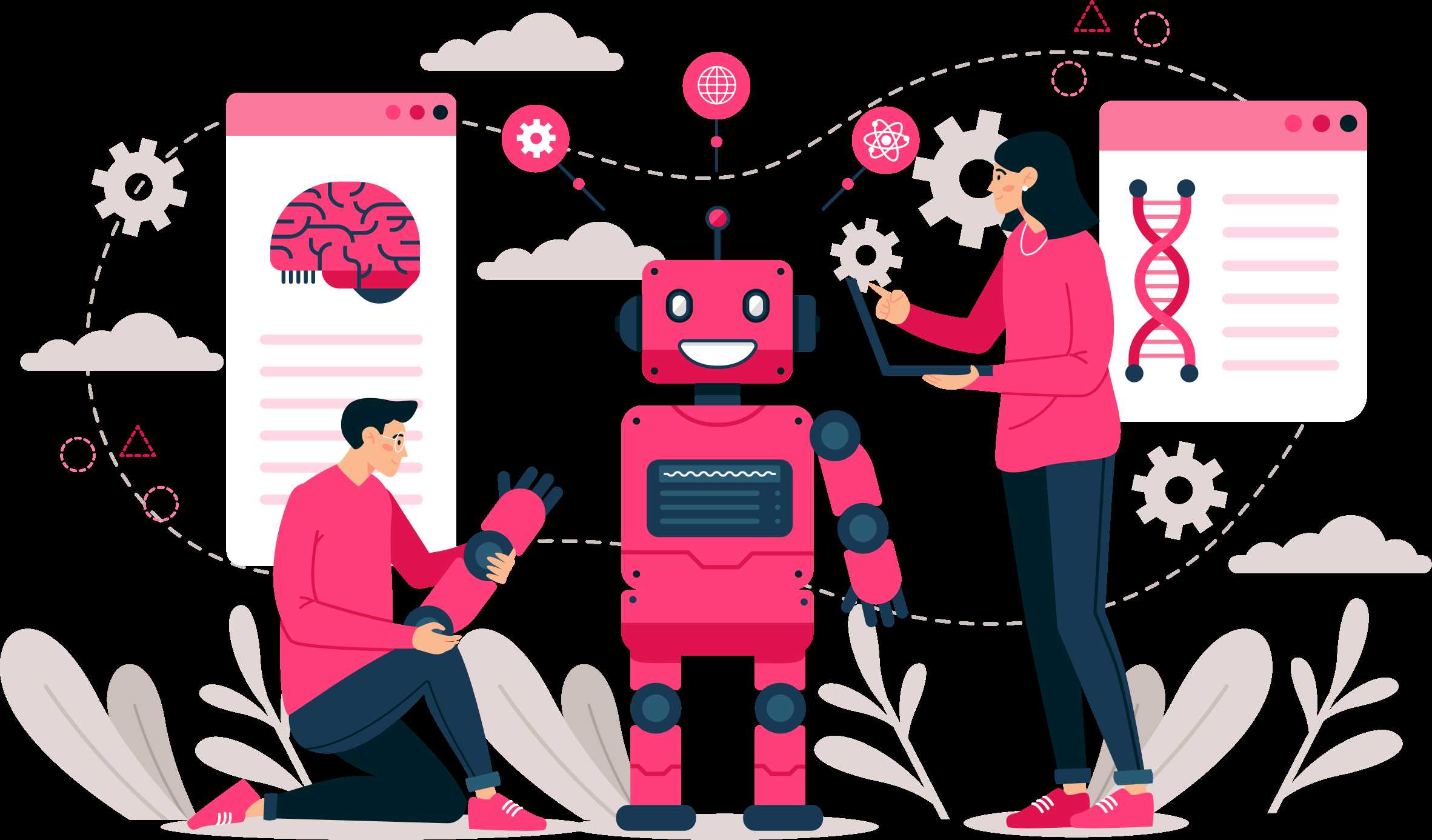
As businesses grow, workload increases. Generative AI allows productivity to scale without proportionally increasing staff or effort.
AI systems handle additional tasks easily, maintaining performance during peak periods. This scalability supports growth while keeping operations manageable.
Improving Collaboration and Knowledge Sharing
Productivity depends on how well teams collaborate. Generative AI improves collaboration by organizing information and sharing knowledge effectively.
AI can summarize discussions, create shared documentation, and answer internal questions. This reduces confusion and keeps teams aligned.
Enabling Faster Learning and Skill Development
Generative AI supports learning by providing explanations, examples, and practice material.
Employees can use AI to understand new concepts quickly or get help when needed. Faster learning leads to higher productivity and better performance.
Addressing Challenges in AI-Driven Automation
While generative AI offers many benefits, it must be used responsibly. Businesses need to ensure accuracy, data privacy, and proper oversight.
Human review remains important for critical tasks. When challenges are managed properly, generative AI becomes a reliable productivity partner.
Integrating Generative AI Into Existing Systems
Successful automation requires smooth integration. Generative AI should work with existing tools and workflows.
Professional implementation ensures that AI enhances operations without disruption. Integration maximizes productivity gains and long-term value.
Long-Term Impact on Business Productivity
Over time, generative AI changes how work is structured. Businesses become more agile, responsive, and efficient.
Productivity improvements compound as processes are refined and employees adapt to AI-assisted workflows. This long-term impact makes generative AI a strategic investment.
Building Competitive Advantage Through AI-Powered Automation
Companies that use generative AI effectively gain a strong competitive edge. Faster execution, better decisions, and higher productivity set them apart.
As automation becomes smarter, productivity becomes a key differentiator in the market.
Conclusion
Generative AI is redefining automation and productivity by bringing intelligence, flexibility, and human-like understanding into business processes. It goes beyond basic task automation to support decision-making, collaboration, and innovation. By reducing manual effort and enhancing human capabilities, generative AI helps organizations achieve higher productivity and scale efficiently. When implemented with the right strategy and support, partnering with an experienced on demand app development company ensures that generative AI solutions align with business goals and deliver lasting productivity improvements.
FAQs
What makes generative AI different from traditional automation?
Generative AI understands context and adapts, while traditional automation follows fixed rules.
How does generative AI improve workplace productivity?
It automates routine tasks and supports employees with intelligent assistance.
Can generative AI handle complex tasks?
Yes, it can manage tasks involving analysis, content creation, and decision support.
Is generative AI suitable for all industries?
Yes, it can be applied across industries with proper customization.
Does generative AI require human supervision?
Yes, human oversight ensures accuracy, responsibility, and effective use.