
Embroidery continues to be one of the most reliable decoration methods for custom apparel and branded products. It offers durability, a refined appearance, and long-term value across uniforms, promotional items, fashion wear, and personalized merchandise. While embroidery machines handle the stitching, the quality of the final result depends heavily on a process that happens long before production begins: embroidery digitizing.
Professional embroidery digitizing services convert artwork into precise stitch files that embroidery machines can interpret accurately. When digitizing is done correctly, designs stitch smoothly, maintain clarity, and perform well on different fabrics. When it is done poorly, even a strong design can result in thread breaks, misalignment, and inconsistent output. This is why professional digitizing is a critical step for businesses and individuals who care about embroidery quality.
What Is Embroidery Digitizing?
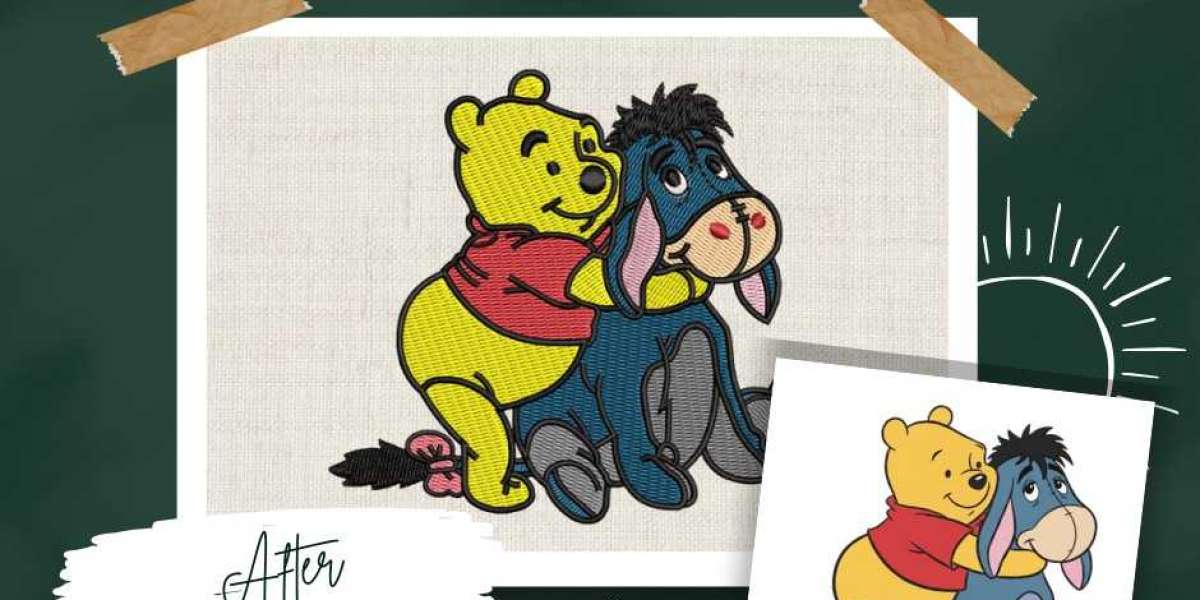
Embroidery digitizing is the technical process of converting logos, text, or illustrations into a digital embroidery file. This file includes detailed instructions that guide the embroidery machine on stitch types, stitch direction, stitch order, and density.
Unlike simple file conversions, digitizing requires hands-on experience and knowledge of embroidery behavior. Different fabrics react differently to stitching, and designs must be adjusted accordingly. A professional digitizer evaluates the artwork, fabric type, and end use before creating a file that balances appearance, durability, and machine efficiency.
Why Professional Digitizing Matters
Professional embroidery digitizing services help prevent common production issues that can increase costs and reduce output quality. Poor digitizing often leads to wasted garments, repeated test runs, and machine downtime.
Experienced digitizers focus on technical accuracy and embroidery performance, ensuring:
- Stitch placement supports design clarity
- Stitch density suits the fabric and garment type
- Stitch direction enhances texture and coverage
- Files run efficiently on embroidery machines
This level of control helps achieve consistent results across single items or large production runs.
Key Features of Professional Embroidery Digitizing Services
High-quality digitizing services prioritize manual expertise over automated software output. Manual digitizing allows better control over stitch behavior and final appearance.
Reliable professional services typically offer:
- Manual digitizing tailored to embroidery requirements
- Support for common embroidery machine file formats
- Adjustments based on fabric, placement, and design size
- Clean stitch paths to reduce thread breaks and trims
These features help ensure smooth machine operation and dependable embroidery output.
Benefits for Businesses and Individuals
Professional embroidery digitizing delivers measurable value for both commercial and personal projects. By using well-prepared stitch files, embroidery becomes more predictable and efficient.
Key benefits include reduced production errors, improved consistency, and better use of materials. For businesses handling repeat orders or brand-related designs, professional digitizing helps maintain a uniform appearance across garments. For individuals, it ensures custom embroidery looks clean and well-finished.
Common Applications of Embroidery Digitizing
Embroidery digitizing services are widely used across different industries and use cases. Common applications include corporate branding, promotional merchandise, sports apparel, fashion embroidery, and personalized products.
Each application requires specific digitizing techniques. For example, small lettering on caps needs different stitch settings than large back designs on jackets. Professional digitizers adjust these details to ensure designs perform well on their intended garments.
Choosing the Right Embroidery Digitizing Service
Selecting the right digitizing service is essential for consistent embroidery quality. Experience, communication, and technical knowledge are key factors to consider.
A dependable service should demonstrate embroidery expertise, offer reasonable turnaround times, and provide revision support when adjustments are needed. Clear communication about file compatibility and stitching expectations also helps avoid production issues.
The Role of Digitizing in High-Quality Embroidery
Embroidery digitizing forms the foundation of successful embroidery production. Machines and materials can only perform as well as the stitch files they receive. Professional embroidery digitizing services ensure that artwork is translated accurately into thread, maintaining design integrity and production efficiency.
By investing in skilled digitizing, businesses and individuals can achieve reliable, professional embroidery results that meet practical and visual expectations.
Frequently Asked Questions (FAQs)
What file formats are commonly used in embroidery digitizing?
Embroidery digitizing services provide machine-ready files compatible with different embroidery machines. The required format depends on the machine brand and model being used.
Is embroidery digitizing the same as vector conversion?
No. Vector files are used for printing, while embroidery digitizing creates stitch-based files specifically for embroidery machines. A vector file may be used as artwork, but it still requires digitizing.
Can one digitized file be used on different fabrics?
Not always. Different fabrics require different stitch densities and settings. Professional digitizers often adjust files to match the fabric type for the best results.
Why is manual digitizing better than auto-digitizing software?
Manual digitizing allows better control over stitch behavior, reduces embroidery issues, and produces cleaner results compared to automated conversions.