
For most people, lying on their stomach is a choice they make for a quick nap or while relaxing on the beach. However, in the medical world, the Prone Position (lying face-down) is a critical requirement for various complex surgeries, including spinal repairs, posterior neck procedures, and specialized lung treatments.
While the Prone Position provides surgeons with necessary access to the back of the body, it places unique stresses on the patient’s anatomy. To ensure safety and prevent complications, hospitals rely on advanced technology like prone position gel pads, the prone head rest, and specialized ot table mat systems.
The Challenges of the Prone Position
When a patient is placed in a face-down orientation, the body’s weight shifts to the chest, abdomen, and face. This can lead to several risks if not managed correctly:
- Respiratory Restraint: The chest must be able to expand so the patient can breathe.
- Nerve Compression: Bony areas like the hips and knees can press against the hard table.
- Facial Injury: The eyes and nose are extremely sensitive to pressure.
To combat these risks, surgical teams use a combination of gel pads and positioning devices to create a "floating" effect for the patient.
1. Protecting the Face: The Prone Head Rest
The most critical element of face-down surgery is protecting the patient's airway and eyesight. A standard pillow is not sufficient because it can block the nose or put dangerous pressure on the eyeballs.
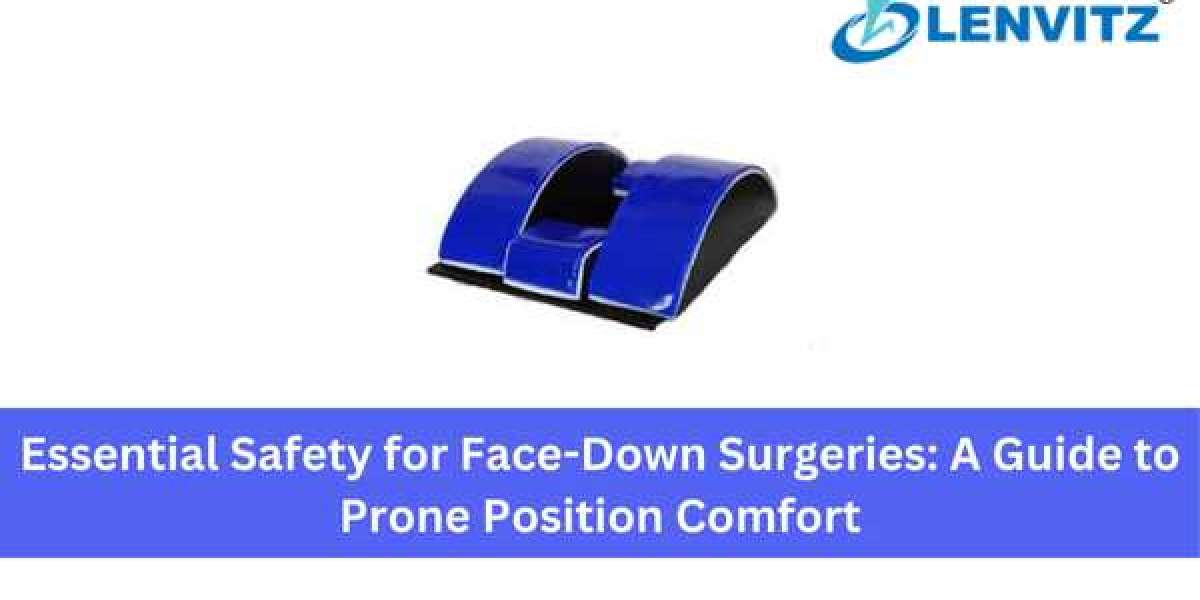
A medical-grade prone head rest is specifically contoured to support the forehead and chin while leaving the eyes, nose, and mouth completely unobstructed. These rests are often made of high-quality gel to ensure the skin does not shear or bruise during long operations. By using a prone head rest, doctors can monitor the patient's face and ensure they are breathing comfortably throughout the procedure.
2. Total Body Support: Prone Position Gel Pads
In addition to the head, the rest of the body requires specialized cushioning. Prone position gel pads are used to support the chest and pelvic bones. These pads are designed to:
- Offload Pressure: They lift the torso slightly to allow for abdominal expansion.
- Protect Bony Prominences: They provide a soft barrier for the knees and iliac crests (hip bones).
- Maintain Circulation: By distributing weight evenly, prone position gel pads prevent the restricted blood flow that leads to post-operative skin breakdown.
These pads are essential for preventing "pressure necrosis," a condition where skin tissue dies due to lack of oxygen during long periods of immobility.
3. The Foundation: The OT Table Mat
Every successful surgical setup starts with the surface of the table itself. A standard Operating Theater table is hard and unforgiving. An ot table mat made of visco-elastic gel or high-resiliency polymer is placed down first to act as a protective foundation.
This ot table mat serves as the primary layer of defense against "bottoming out." It works in tandem with specialized prone position gel pads to ensure that no matter how the patient is turned, their skin and nerves remain cushioned.
Conclusion: Safety Through Precision
The move toward the Prone Position in modern surgery has allowed for incredible medical advancements, but it requires the right equipment to be done safely. From the stability of the ot table mat to the life-saving design of the prone head rest, these tools ensure that patients wake up from surgery with their skin and nerves intact.