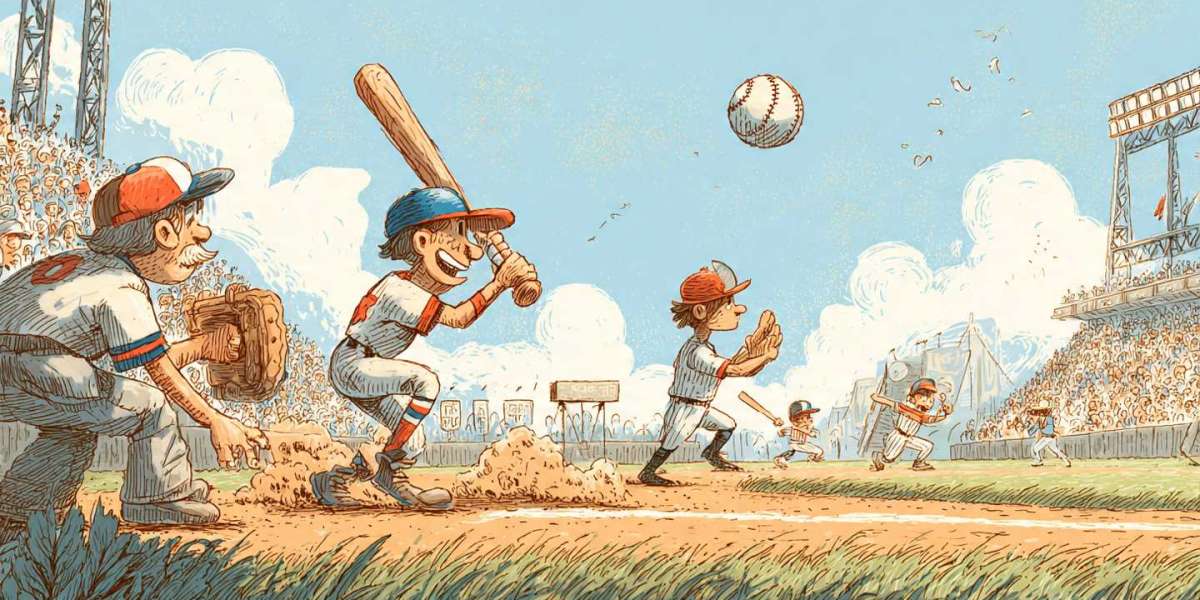

Every year, the Fourth of July brings fireworks, family gatherings, and a strong sense of nostalgia. For many people, baseball is part of that tradition. It represents summer, community, and simple joy. When Google released the 4th of July doodle baseball game, it instantly connected with those feelings. The game is lighthearted, easy to play, and filled with references that feel familiar to anyone who enjoys baseball or American holidays.
The 4th of July doodle baseball experience in detail. We will talk about what the game is, why it became so popular, how it works, and why people still search for it years later. The goal is to explain it clearly and naturally, as if we were talking over coffee.
What Is 4th of July Doodle Baseball
4th of July doodle baseball is an interactive Google Doodle game created to celebrate Independence Day in the United States. Instead of professional players, the game features classic American picnic foods as characters. You bat against a pitcher and try to score as many runs as possible.
The game was designed to be simple. Anyone can play it without instructions. That simplicity is part of its charm.
Key elements of the game include:
A baseball theme inspired by Independence Day
Cartoon style food characters
Simple one click or one tap controls
A score based system with increasing difficulty
It does not try to be a full sports simulation. It focuses on fun and accessibility.
Why Google Chose Baseball for the Fourth of July
Baseball has long been associated with American culture. It is often called America’s pastime, and for good reason. Summer baseball games, local fields, and backyard catch sessions are all part of the holiday season.
Google chose baseball for the Fourth of July doodle because:
Baseball is widely recognized in the United States
It fits the summer holiday mood
It appeals to all age groups
It works well in a simple game format
By using food characters and bright visuals, Google made the game welcoming rather than competitive.
How 4th of July Doodle Baseball Is Played
The gameplay is intentionally straightforward. You do not need to learn complex rules or controls. That is why it became popular so quickly.
Here is how the game works:
You control the batter
The pitcher throws the ball automatically
You tap or click at the right moment to swing
The better your timing, the farther the ball goes
Each hit earns points
Missing too many pitches ends the game
As your score increases, the pitches become faster and harder to hit. This adds challenge without overwhelming the player.
Characters and Visual Style
One of the most memorable parts of 4th of July doodle baseball is its characters. Instead of human players, you see food items commonly found at a holiday cookout.
Examples of characters include:
Hot dogs
Burgers
Watermelon slices
Ice cream
Corn on the cob
The field itself is colorful and cheerful. Fireworks, flags, and festive decorations reinforce the holiday theme. The art style feels friendly and playful rather than polished or realistic.
Why the Game Became So Popular
The popularity of 4th of July doodle baseball did not happen by accident. Several factors contributed to its success.
Reasons people loved the game include:
It was easy to start playing immediately
No downloads or sign ups were required
It appealed to kids and adults alike
It felt nostalgic even when it was new
It was perfect for short breaks
Many people discovered the game by accident when visiting Google on the holiday. Others returned to it intentionally after enjoying their first session.
The Role of Nostalgia in Its Success
Nostalgia plays a major role in why people still search for 4th of July doodle baseball. It reminds players of simpler moments. Maybe they played it at work during a holiday break or showed it to their kids at home.
The game connects to memories such as:
Watching fireworks with family
Attending summer baseball games
Backyard barbecues
Childhood holiday traditions
This emotional connection keeps interest alive long after the original release.
Educational and Casual Appeal
While the game is primarily for entertainment, it also has subtle educational value. It introduces basic baseball concepts like timing, hitting, and scoring in a very approachable way.
It appeals to:
Children learning about baseball
Adults looking for a relaxing game
Teachers using fun holiday activities
Parents sharing screen time with kids
Because there is no pressure to win, players can enjoy it at their own pace.
Why People Still Search for 4th of July Doodle Baseball
Even though the doodle was released years ago, search interest remains strong. People often look for ways to replay it or find similar experiences.
Common reasons for ongoing interest include:
Desire to replay a favorite Google Doodle
Sharing the game with someone new
Holiday themed content searches
Interest in casual browser games
Curiosity about past Google Doodles
This long term interest shows how impactful a simple idea can be when executed well.
How It Compares to Other Google Doodle Games
Google has released many interactive doodles over the years. Some are complex, while others are simple mini games.
Compared to other doodle games, 4th of July doodle baseball stands out because:
It is extremely easy to understand
It has strong cultural relevance
It works well for short play sessions
It feels timeless rather than trendy
Other doodles may focus on puzzles or storytelling. This one focuses purely on fun.
Accessibility and Ease of Use
Accessibility is a major reason the game succeeded. You do not need fast reflexes or gaming experience to enjoy it.
Accessibility features include:
One button or one tap control
Clear visual cues
No text heavy instructions
Works on desktop and mobile devices
This makes it inclusive for a wide range of players.
Cultural Impact of 4th of July Doodle Baseball
While it is a small game, it had a noticeable cultural impact. It showed that digital experiences could celebrate national holidays in a light and respectful way.
The game helped reinforce:
Baseball as a cultural symbol
The Fourth of July as a family holiday
The value of simple digital fun
It also set a standard for future holiday themed doodles.
Lessons for Game Designers and Content Creators
There are clear lessons to learn from the success of 4th of July doodle baseball.
Important takeaways include:
Simplicity can be powerful
Cultural relevance matters
Emotional connection increases engagement
Accessibility broadens audience reach
Fun does not require complexity
These lessons apply not only to games but also to content creation in general.
Why It Still Feels Relevant Today
Even years later, the game does not feel outdated. Its visuals are clean, and its gameplay remains enjoyable.
Reasons it still works today include:
Minimal reliance on trends
Universal theme
Lightweight design
Strong emotional connection
It proves that good ideas age well when they focus on people rather than technology.
Final Thoughts on 4th of July Doodle Baseball
4th of July doodle baseball is more than a simple browser game. It is a small digital celebration of American culture, summer, and fun. It brings together baseball, food, and holiday spirit in a way that feels welcoming and joyful.
For many people, it represents a moment of pause during a busy day. For others, it is a reminder of family, tradition, and shared experiences. That is why it continues to be remembered and searched for today.
If you enjoy casual games, holiday themed content, or just want a quick dose of fun, this game remains worth revisiting and sharing.