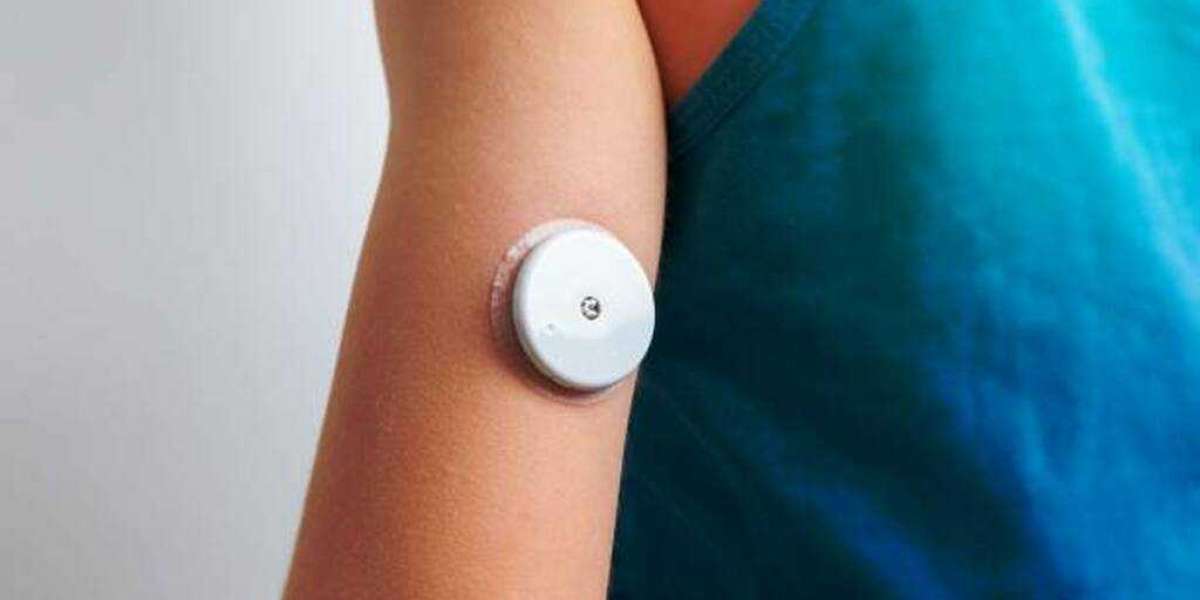

Continuous glucose monitoring plays a vital role in effective diabetes management. Glucology CGM patches, designed specifically for use with Freestyle Libre sensors, offer a protective, waterproof, and comfortable adhesive solution to keep sensors secure for longer. Proper application and maintenance of these patches are essential to enhance sensor life and improve your monitoring experience. This article provides detailed tips on how to apply and wear Glucology CGM patches correctly for maximum benefit and reliable, hassle-free glucose monitoring.
Preparing the Skin for Application
Before applying your Glucology CGM patch, preparing your skin is the first crucial step. Thoroughly clean and dry the area where the sensor and patch will be placed, preferably using an alcohol wipe or mild soap and water. Removing oils, lotions, or sweat ensures the adhesive will stick securely and reduces the chance of premature patch lifting. It’s best to avoid placing the patch on irritated, damaged, or scarred skin to minimise discomfort and risk of skin reactions.
Careful Handling of the Patch
Glucology CGM patches come with a pre-cut backing that protects the adhesive before use. When removing this backing, handle the patch carefully to avoid stretching or touching the sticky side excessively. Stretching the patch can lead to skin pulling and discomfort during wear, while oils from fingers can reduce adhesion. Gradually peeling off the backing paper as you apply the patch helps maintain optimal stickiness.
Correct Placement and Alignment
Align the patch carefully over the Freestyle Libre sensor so the sensor lies completely beneath the adhesive surface. The edges of the patch adhesive should securely adhere to your skin around the sensor without wrinkles or gaps, providing full protection from moisture, sweat, and friction. Applying gentle pressure around the edges after placement enhances adhesion and prevents the patch from peeling off too soon.
Choosing the Right Patch Colour
Glucology offers its Freestyle Libre patches in five colours: beige, black, blue, pink, and green. Selecting a colour that either matches your skin tone or fits your style can help the patch blend in subtly or stand out as a fun accessory. The choice of colour does not impact performance but can enhance the psychological comfort of wearing a visible glucose monitoring accessory.
Protecting the Patch During Activities
Although designed to be waterproof and sweat-resistant, extended exposure to water, such as during swimming or long showers, may weaken the adhesive over time. Minimising direct water pressure on the patch and patting the area dry rather than rubbing can prolong the patch's lifespan. For active users, consider covering the patch with additional adhesive covers or adhesive tape approved for CGM use to further secure it during vigorous exercise.
Monitoring for Skin Reactions
Regularly check the skin under and around the patch for any signs of irritation, redness, or allergic reactions. If you notice discomfort or persistent irritation, remove the patch immediately and allow your skin to heal before reapplying a new patch. Rotating the sensor site with each new sensor and patch application helps reduce skin stress and the risk of scar tissue buildup.
Replacing Patches Timely
Glucology CGM patches generally last between 7 and 14 days, depending on physical activity and skin type. Replace a patch as soon as you notice lifting edges or decreased adhesion to ensure continuous protection for the sensor. Acting promptly avoids sensor dislodgement or inaccurate glucose readings caused by moisture or contamination.
Using Additional Skin Prep Products
If adhesion is an ongoing issue, especially for those who sweat heavily or have oily skin, using skin prep products like medical adhesive wipes or barrier sprays before applying the patch can improve stickiness. However, test these products on a small skin area first to ensure you don’t develop sensitivity or irritation.
Integrating with Freestyle Libre Patches
Glucology CGM patches are specifically compatible with Freestyle Libre sensors, providing an excellent way to secure them for longer wear periods. Freestyle Libre patches are frequently chosen by users who want a non-invasive, dependable method to continuously monitor glucose levels without worrying about sensor detachment. Using Glucology patches in combination with these sensors improves confidence in device reliability, especially during daily activities or sports.
Freestyle Libre Patches users praise the combination for reducing sensor loss and skin irritation, making day-to-day diabetes management more comfortable and less stressful. These patches provide peace of mind by protecting the sensor from accidental bumps, knocks, or moisture that would otherwise compromise monitoring accuracy.
Conclusion
Following these tips for applying and wearing Glucology CGM patches can significantly extend the life and comfort of your Freestyle Libre sensor, ensuring accurate glucose readings with minimal disruption. Proper skin preparation, careful handling, and awareness of patch wear conditions are key to maximising their protection.
For people seeking quality diabetes care products, IBD Medical offers a range of trusted solutions designed to support effective and comfortable glucose monitoring. With informed use, Glucology patches help maintain your health and lifestyle with confidence and ease.