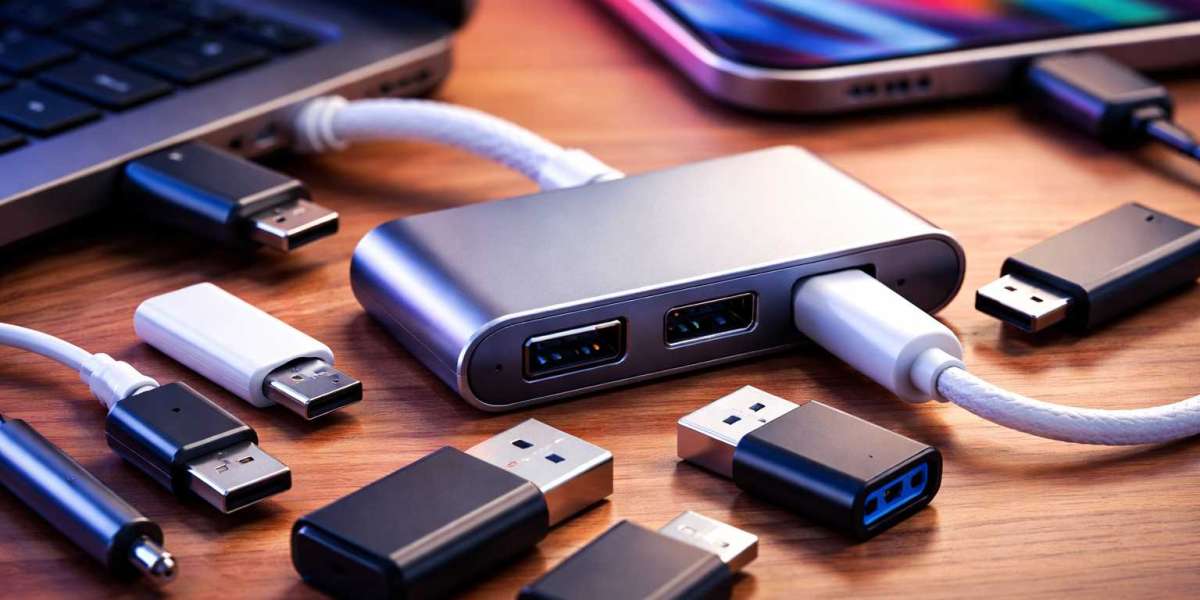

Understanding USB Adapter Compatibility
USB adapters have become essential tools in our increasingly connected world. Whether you're trying to connect your phone to a laptop or link peripherals to different devices, the question of cross-device compatibility naturally arises. The short answer is yes, most USB adapters work across multiple devices, but there are important factors to consider.
The compatibility of USB adapters largely depends on the USB standard they support and the devices you're connecting. Modern USB technology has evolved through several generations, and understanding these differences helps ensure your adapter works as expected.
Types of USB Adapters and Their Universal Nature
USB adapters come in various forms, each designed for specific connection needs. USB-A to USB-C adapters are popular for connecting newer devices to older ports. These work across laptops, desktops, tablets, and smartphones that have the corresponding ports.
A usb male to male adapter is another common type that allows direct connection between two USB ports. However, these adapters require careful consideration as not all male-to-male connections are safe for all devices. Some devices aren't designed to handle direct USB-to-USB connections.
Micro-USB to USB-C adapters help bridge the gap between older Android devices and newer accessories. These generally work across any device with the appropriate port, making them versatile additions to your tech toolkit.
USB Standards and Cross-Device Functionality
USB 2.0, USB 3.0, USB 3.1, and USB 4.0 represent different generations of USB technology. The good news is that USB standards maintain backward compatibility. This means a USB 3.0 adapter will work with USB 2.0 ports, though you'll be limited to the slower speed.
When using adapters across devices, the connection will default to the lowest common denominator. If you connect a USB 3.0 device through an adapter to a USB 2.0 port, you'll get USB 2.0 speeds. This doesn't mean the adapter won't work, it simply means performance is limited by the older technology.
USB-C has introduced more complexity because it supports multiple protocols including Thunderbolt 3 and 4, DisplayPort, and Power Delivery. Not all USB-C adapters support all these features across all devices.
Power Delivery Considerations
One crucial aspect of adapter compatibility involves power delivery. Some adapters are designed purely for data transfer, while others can handle power as well. When using adapters across devices, you need to ensure the power requirements match.
Charging adapters must support the correct wattage for your device. A laptop requiring 65W won't charge properly with an adapter rated for 18W, even if the physical connection works. Always check power specifications when using adapters for charging purposes.
Some devices can be damaged by incorrect power delivery through adapters. This is particularly important when considering a usb male to male adapter, as connecting two host devices directly can potentially cause power conflicts.
Operating System Independence
One of the great advantages of USB technology is its operating system independence. USB adapters work across Windows, macOS, Linux, Android, and iOS devices because the USB protocol is standardized at the hardware level.
You don't need special drivers for most basic USB adapters. Your device's operating system recognizes the USB connection automatically and handles the communication. This universal compatibility makes USB adapters genuinely cross-device compatible.
However, some specialized adapters for specific functions like video output or ethernet connections might require drivers. In these cases, you'll need to ensure driver availability for your specific operating system.
Device-Specific Limitations
While USB adapters are generally universal, some device manufacturers impose limitations. Apple's Lightning to USB adapters, for example, only work with Apple devices. These proprietary connections restrict cross-device functionality.
Some smartphones limit USB functionality through software. They might not support certain adapter types even when the physical connection is possible. This is often a security or design choice rather than a technical limitation.
Gaming consoles also sometimes restrict USB adapter functionality. While standard storage devices usually work, other adapter types might not function as expected due to firmware restrictions.
Choosing the Right Adapter for Multiple Devices
If you want an adapter that works across all your devices, focus on standard USB specifications rather than proprietary solutions. Look for adapters that explicitly list compatibility with multiple device types.
Check the USB certification of any adapter you purchase. Certified adapters meet specific standards and are more likely to work reliably across different devices. This certification is particularly important for power delivery adapters.
Consider the physical design of the adapter. Some adapters have bulky housings that might block adjacent ports on your device. Slim, well-designed adapters offer better compatibility across devices with different port layouts.
Testing Adapter Compatibility
Before relying on an adapter for critical work, test it across all your devices. Connect the adapter to each device and verify both connection stability and performance. Some adapters might work but deliver poor performance on certain devices.
Pay attention to warning messages from your devices. If a device indicates that an adapter doesn't support fast charging or data transfer speeds are limited, this tells you about compatibility limitations.
Keep firmware updated on your devices. Sometimes adapter compatibility improves through firmware updates that add support for new USB features or fix connection issues.
Conclusion
USB adapters do work across devices thanks to USB's standardized and backward-compatible design. The key to successful cross-device use is understanding USB standards, checking power requirements, and choosing quality adapters from reputable manufacturers. While some device-specific limitations exist, most standard USB adapters offer reliable performance across multiple devices and platforms.