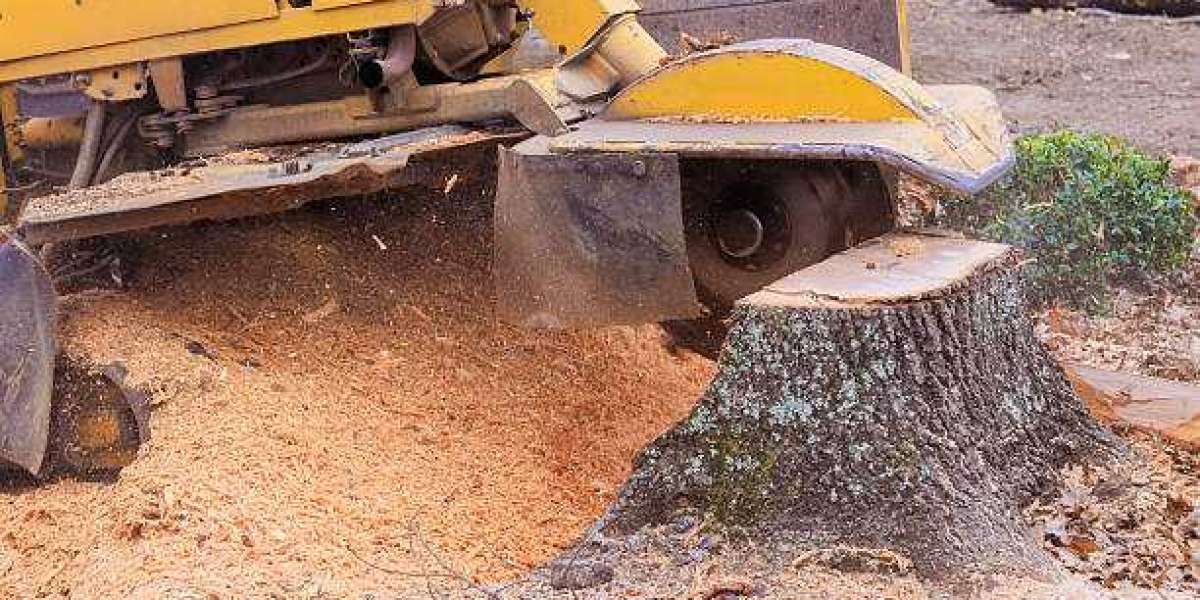

When you invest in stump grinding for a recently removed tree, many homeowners immediately wonder about root grinding and what becomes of the roots beneath the surface. While stump grinding effectively removes the visible stump and grinds it a few inches below ground level, tree roots often remain deep in the soil. Understanding how these roots behave post-grinding is key to making smart decisions for your yard and landscape.
How Stump Grinding Affects Roots
Stump grinding primarily targets the tree stump itself. A specialized grinding machine shreds the stump down into small chips and mulch. Although some surface roots may be cut or ground during this process, most of the subterranean root system stays in place. These roots have grown outward and downward over the life of the tree, and stump grinding alone does not remove the majority of them.
The Fate of Remaining Roots
Once stump grinding is complete, the remaining roots generally follow two possible paths:
Natural Decay: With the tree’s crown and vascular system removed, underground roots can no longer receive nutrients. Over time, they will begin to break down and decompose. This natural process can take months to years depending on root size, soil conditions, and microbial activity in the ground.
Potential Sprouts: In some cases, especially with certain tree species known for vigorous root systems, roots may attempt to sprout new shoots or suckers after the stump is ground. These shoots can emerge from the soil and appear like new trees, even though the original tree has been removed.
Understanding these two outcomes helps homeowners anticipate what to expect when stump grinding is part of their tree removal process.
What Does Root Grinding Involve?
Root grinding is an additional service that targets exposed or protruding roots left after a stump has been ground down. Instead of only grinding the stump itself, root grinding focuses on smoothing and removing major surface roots and stubborn root systems visible in your yard. This often results in a cleaner, more level landscape and reduces potential hazards for lawn equipment and foot traffic.
When Root Grinding Makes Sense
You might consider root grinding if:
You want a smoother lawn surface without visible root protrusions.
You plan to replant grass or landscaping features nearby.
You’re preparing the area for hardscaping or construction.
Root grinding can complement stump grinding by addressing both visible and surface-level root issues, giving you a more polished finish.
Benefits of Root Grinding
Here are some key benefits homeowners can expect from root grinding:
Better Lawn Management: Eliminating protruding roots makes mowing and yard maintenance much easier and safer.
Enhanced Safety: Roots left at ground level can pose tripping hazards or damage to lawn tools. Root grinding mitigates these risks.
Improved Aesthetic: A smoother, more even landscape enhances curb appeal after tree removal projects.
Reduced Regrowth: Targeting roots with grinding can lower the chances of new shoots emerging from stubborn root systems.
Managing Root Decay and Landscape Health
Once roots begin their decomposition process, soil can settle over time. This is completely natural, and small depressions may appear as large roots rot away. You can manage this by adding topsoil or compost to fill any spots that sink or settle. Routine monitoring of the area after stump and root grinding ensures your yard stays level and healthy.
For species prone to sprouting — such as poplars, willows, or maples — staying vigilant in watching for new growth helps you address it quickly before it becomes a larger issue.
Conclusion: Root Grinding for Long-Term Yard Success
Understanding what happens to roots after stump grinding helps you make informed decisions about landscape care and follow-up services like root grinding. Whether you’re dealing with natural decay or potential regrowth, taking action with root grinding can improve both the look and safety of your yard. For professional assistance that ensures thorough work and lasting results, trust treemendoustreecarellc to handle stump and root grinding with expertise and care.