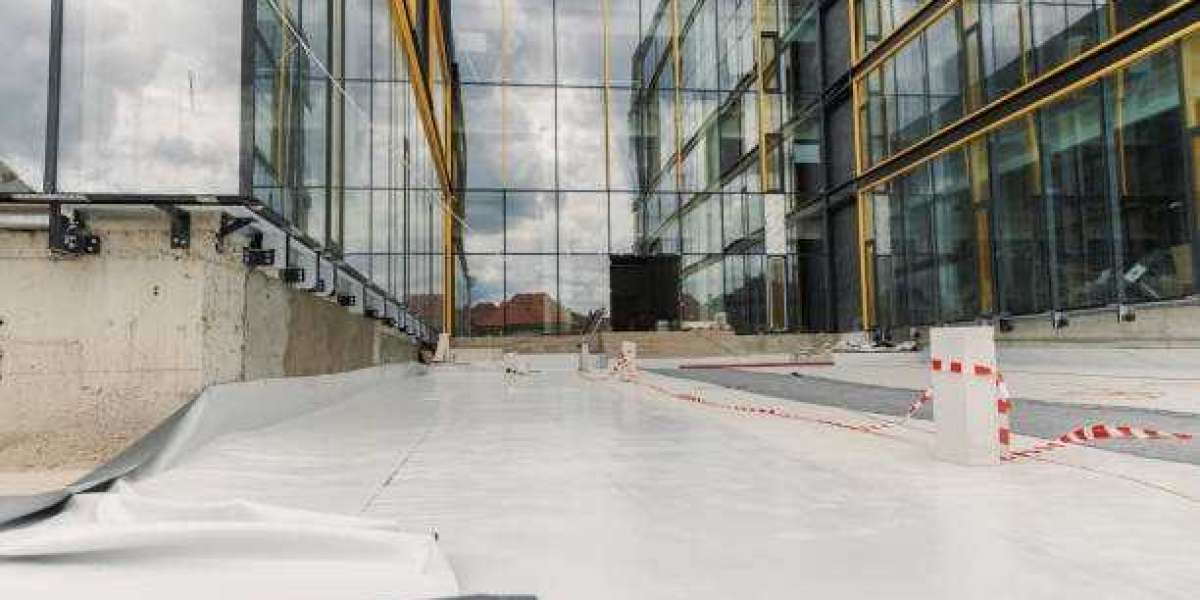

In industrial facilities, flooring is more than just a surface—it directly impacts safety, efficiency, and operational longevity. industrial flooring systems are engineered to withstand heavy loads, chemical exposure, and constant traffic, providing a reliable and hygienic foundation. Implementing the right flooring ensures a safe work environment while supporting long-term productivity.
Types of Industrial Flooring Systems
Industrial flooring systems vary in material composition and performance. Epoxy floors are favored for their chemical resistance, seamless finish, and durability. Polyurethane systems provide impact resistance and flexibility, making them suitable for areas with mechanical or thermal stress. Cementitious and vinyl options offer practical, cost-effective alternatives that still deliver durability and easy maintenance.
Epoxy Floors: Durable and Hygienic
Epoxy-based industrial flooring systems are known for their durability and low-maintenance requirements. The seamless surface prevents dirt and bacteria accumulation, which is crucial for industries such as food processing, laboratories, and warehousing. Epoxy floors resist chemical spills, abrasion, and heavy traffic, while customizable colors and textures enhance safety and organization within the facility.
Polyurethane and Vinyl Solutions
Polyurethane flooring systems are resilient, absorbing mechanical stress and reducing the risk of surface damage. Vinyl and hybrid flooring options offer moderate durability at a lower cost, making them suitable for areas with less intensive use. Industrial flooring systems with these options allow facilities to balance budget, performance, and operational needs.
Benefits of Industrial Flooring Systems
Industrial flooring systems enhance workplace safety and operational efficiency. Slip-resistant surfaces reduce accidents, while durable coatings minimize downtime caused by damaged floors. Continuous surfaces facilitate smooth movement of machinery and personnel, increasing productivity. Low-maintenance designs save time, reduce cleaning costs, and support a hygienic environment.
Long-Term Investment and Performance
Although industrial flooring systems require initial investment, their longevity ensures long-term benefits. Epoxy and polyurethane floors can last decades with minimal deterioration. This durability reduces replacement frequency, enhances operational reliability, and provides a strong return on investment for industrial facilities.
Conclusion
Industrial flooring systems are an essential component of modern industrial facilities. By choosing the right type—epoxy, polyurethane, or hybrid—facilities can ensure safety, durability, and operational efficiency. These floors provide more than just surface protection; they support long-term productivity, reduce maintenance costs, and form a reliable foundation for high-performance industrial operations.