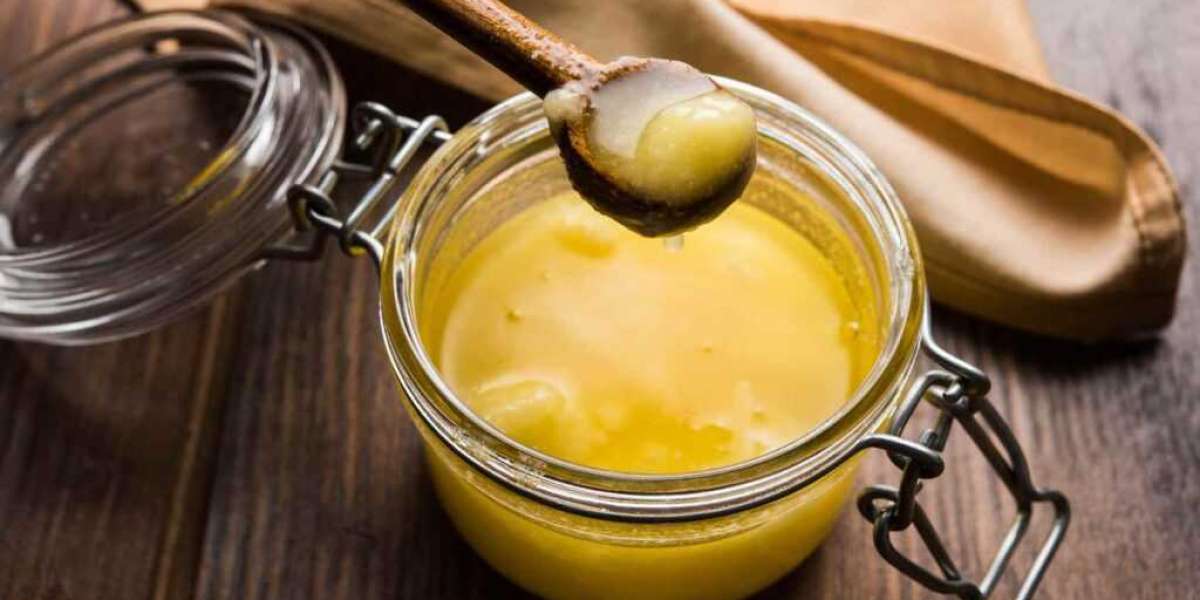

In today’s world, most kitchens are filled with vegetable oils, butter substitutes, and margarine. These modern fats are convenient and widely available, but a growing number of people are returning to traditional cooking fats like ghee, lard, tallow, and duck fat. Known as “ancient cooking fats,” these ingredients have been used for centuries, and their revival is changing how people cook and think about food.
Historical Background of Cooking Fats
Ancient civilizations relied on natural fats for cooking, preserving food, and even medicinal purposes. In India, ghee has been used for thousands of years, not just for its rich flavor, but also for its long shelf life. Mediterranean cultures prized olive oil for both cooking and health, while European countries often used tallow or lard in everyday meals. These fats were easy to produce from locally available resources and provided essential nutrients that people needed in their diets. Unlike today’s refined oils, these natural fats were minimally processed and kept their original nutritional value.
Nutritional Benefits of Ancient Fats
One reason ancient cooking fats are coming back is their nutritional value. Ghee, lard, tallow, and duck fat are rich in fat-soluble vitamins such as A, D, E, and K. These vitamins are essential for maintaining strong bones, a healthy immune system, and good vision. Additionally, natural fats contain healthy saturated and monounsaturated fats, which provide energy and support brain function. While modern vegetable oils are often highly processed, ancient fats remain closer to their natural form, making them a healthier choice for many people.
In the UAE, for example, people are increasingly seeking high-quality products like the best pure ghee in UAE and the best milk in UAE. These natural products not only offer better flavor but also retain more nutrients compared to processed alternatives.
Stability and Cooking Performance
Another major advantage of ancient fats is their stability under heat. Many vegetable oils break down when exposed to high temperatures, producing harmful free radicals. On the other hand, fats like ghee, lard, and tallow have high smoke points, which means they can be used for frying, sautéing, or baking without losing their beneficial properties. This stability also helps maintain the original taste of the food, making dishes more flavorful and aromatic.
Flavor and Culinary Uses
Ancient cooking fats are known for the rich and unique flavors they bring to dishes. Ghee has a nutty, aromatic taste that enhances curries, rice, and roasted vegetables. Lard gives pastries and baked goods a tender, flaky texture. Tallow adds depth to roasted meats and potatoes. Duck fat is celebrated for its ability to make roasted vegetables and meats exceptionally flavorful. Across cultures, these fats have been used not only for cooking but also as a way to preserve and intensify traditional flavors.
Health Trends Driving the Comeback
Modern health trends have played a big role in the resurgence of ancient fats. Diets like keto and paleo emphasize the consumption of natural fats while avoiding highly processed foods. People are becoming more aware that not all saturated fats are harmful and that many traditional fats can actually support heart and brain health when consumed in moderation. The shift back to whole, natural foods has made ghee, lard, and tallow popular again, especially among those looking for nutrient-dense and minimally processed ingredients.
Environmental and Sustainability Factors
Sustainability is another reason for the comeback of ancient fats. Traditional fat production often relies on local and ethical farming practices, which are more environmentally friendly than large-scale vegetable oil production. For example, producing palm oil and other industrial oils can contribute to deforestation and habitat loss. By choosing natural fats like ghee or tallow, consumers can support more sustainable food systems and reduce the environmental footprint of their cooking.
How to Use Ancient Fats Today
Integrating ancient fats into modern cooking is easier than many people think. Ghee can replace butter or oil in curries, soups, or even on toast. Lard can be used for baking pies and bread, giving them a light and flaky texture. Tallow is excellent for frying or roasting vegetables, while duck fat can elevate simple roasted potatoes or meats. Even small substitutions in everyday meals can make a big difference in taste and nutrition. For those new to these fats, starting with one or two recipes is a great way to explore their flavors and benefits.
Choosing Quality Ancient Fats
When buying ancient fats, quality matters. Look for products that are pure, minimally processed, and sourced from healthy animals or traditional methods. In the UAE, shoppers are increasingly turning to brands that provide high-quality natural products. For example, people often search for the best pure ghee in UAE and the best milk in UAE to ensure they are getting authentic, nutrient-rich products. Reading labels and understanding the source of your fats can help you enjoy the full benefits of these traditional ingredients.
Conclusion
Ancient cooking fats are making a comeback for many reasons: they are nutritious, stable under heat, flavorful, and more sustainable than many modern oils. Their use connects us to centuries of culinary tradition while supporting a healthier lifestyle. By experimenting with ghee, lard, tallow, or duck fat, modern cooks can enjoy richer flavors, better nutrition, and a deeper appreciation for the history of food. Whether you are frying, roasting, or baking, these traditional fats offer a natural and delicious way to elevate everyday cooking.
The revival of ancient fats shows that sometimes, the old ways really are the best ways, and incorporating them into your kitchen can be both a tasty and health-conscious choice.