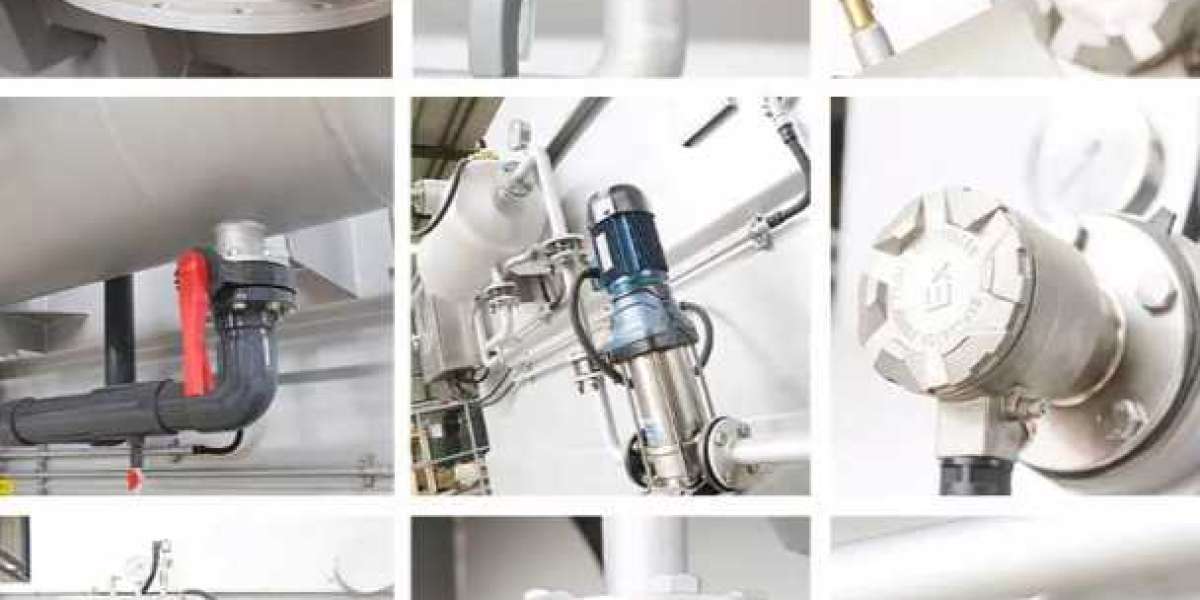

Efficient sedimentation is a critical step in water and wastewater treatment processes. With increasing pressure to optimize performance while reducing infrastructure costs, treatment facilities are turning to innovative solutions such as lamella clarifiers. These systems are engineered to deliver superior clarification results by maximizing settling efficiency within a compact structure.
The Working Principle of Lamella Clarifiers
Lamella clarifiers operate on the principle of gravity settling, enhanced by inclined plate technology. The system consists of multiple parallel plates arranged at a specific angle, typically between 45 and 60 degrees. As water flows upward through these plates, suspended particles settle onto the plate surfaces and slide downward due to gravity.
This design dramatically reduces the vertical distance that particles must travel to settle, resulting in faster separation. Compared to conventional clarifiers, lamella clarifiers can process higher flow rates while maintaining excellent effluent quality.
Benefits That Set Lamella Clarifiers Apart
One of the most notable benefits of lamella clarifiers is their ability to deliver high performance in a small footprint. This makes them ideal for retrofitting existing plants where space constraints limit expansion options.
Another key benefit is operational stability. The plate-based design promotes uniform flow distribution, reducing turbulence and improving settling consistency. This leads to more predictable performance even when influent conditions vary.
From an economic perspective, lamella clarifiers help reduce capital and operating expenses. Smaller tank sizes mean lower construction costs, while efficient solid removal reduces the load on downstream treatment units, lowering overall system energy and maintenance requirements.
Industrial and Municipal Use Cases
In municipal wastewater treatment, lamella clarifiers are often used to enhance primary treatment efficiency. By removing a higher percentage of suspended solids early in the process, they improve the effectiveness of biological treatment stages.
Industrial facilities use these clarifiers to treat process water and effluents containing high levels of solids. Industries such as metal finishing, pulp and paper, and oil and gas rely on lamella clarifiers to meet discharge standards and recycle water within their operations.
They are also commonly used in potable water treatment plants to clarify raw water before filtration, particularly in areas with high turbidity levels.
Installation and Maintenance Aspects
Installing lamella clarifiers is relatively straightforward due to their modular construction. Many systems are prefabricated and can be quickly assembled on-site, reducing installation time and disruption to ongoing operations.
Maintenance mainly involves monitoring sludge accumulation and ensuring the plates remain clean. Automatic sludge removal systems can be incorporated to streamline operations and reduce manual intervention.
The durability of materials used in lamella clarifiers, such as stainless steel or corrosion-resistant plastics, ensures long service life even in harsh operating environments.
Contribution to Sustainable Water Management
Sustainability is a major consideration in modern treatment design, and lamella clarifiers contribute positively in this area. Their efficient sedimentation reduces the need for large quantities of treatment chemicals and minimizes sludge volume.
Lower energy requirements and reduced land usage further enhance their environmental profile. As regulations become stricter and water reuse becomes more important, lamella clarifiers support sustainable and compliant water management strategies.
Conclusion
Lamella clarifiers represent a smart and efficient approach to sedimentation in water treatment systems. By combining compact design with high clarification efficiency, they address both operational and environmental challenges faced by modern facilities. Their adaptability, reliability, and cost benefits ensure that they will continue to play a vital role in water treatment applications across various sectors.





