
Fact: Most injuries in demolition come from falls, debris, and surprise hazards. Planning reduces those risks fast. A safety plan sets the tone for every job. It maps utilities, traffic, and staging areas. It also lists roles, checklists, and stop-work rules. Moreover, it sets clear lines for access and egress. Crews then know where to move and when. Inspections happen daily and after any change. Supervisors log findings and fix issues right away. This early work saves time and cost. It also protects the public and nearby structures. For local projects, professional demolition services in Mesa AZ start with strong pre-planning. They assess weather, soil, and road limits. Then they brief every worker in plain terms. With a shared plan, the team acts fast and safely.
Permits, Codes, and Plans That Prevent Risk With Professional Demolition Services in Mesa AZ
Rules may feel slow, yet they prevent chaos. Teams pull permits and verify code needs. The file utility is located before any dig. Then, they mark gas, power, and fiber lines. Next, they schedule shutoffs with providers. This step avoids sparks and leaks. Engineers review the structure and note weak points. They choose methods that keep loads stable. For example, they may cut small sections first. Or they may brace walls and floors. Method statements explain each step in order. They align with OSHA and local codes. Documentation stays on site and up to date. Then, inspectors can verify controls on demand. Because of that, the project stays legal and safe. With permits set, the crew moves with confidence. The job flows, and risks fall.
Training and PPE Keep Crews Ready
Safety gear works only when teams use it correctly. So companies train, test, and refresh skills. Topics include fall protection and confined space. They also cover lockout and tagout steps. Workers practice spotting pinch points and swing zones. Supervisors coach radio calls and hand signals. Fit testing ensures respirators seal. Eye and ear protection stay on. Gloves and high-vis vests remain standard. But training goes beyond gear. Crews learn how machines behave under load. They study soil signs and wall cracks. They also review real case lessons. Therefore, they act early when conditions shift. For regional jobs, professional demolition services in Mesa AZ runs toolbox talks daily. Short talks keep attention high. They close with questions and quick drills. As a result, habits stick.
Hazardous Materials: Identify, Remove, and Record
Old buildings often hide harmful stuff. Teams test for asbestos, lead, and mold. They sample paint, tile, pipe wrap, and dust. Then licensed crews remove hazards first. Waste follows strict labels and routes. Manifests track every pound from the site to the facility. Air monitors check fibers and fumes. Negative pressure helps contain the spread. After clearance tests, work areas reopen. Records prove the site stayed safe.
- Test early to avoid a work stoppage.
- Seal zones and post clear signs.
- Track waste with full manifests.
Because hazards move with air and touch, controls must hold. Crews clean tools and change gloves often. They wash wheels before trucks exit. That keeps streets and neighbors safe. With risks managed, the main work can begin. Everyone breathes easier, and progress continues.
Equipment Control and Site Logistics
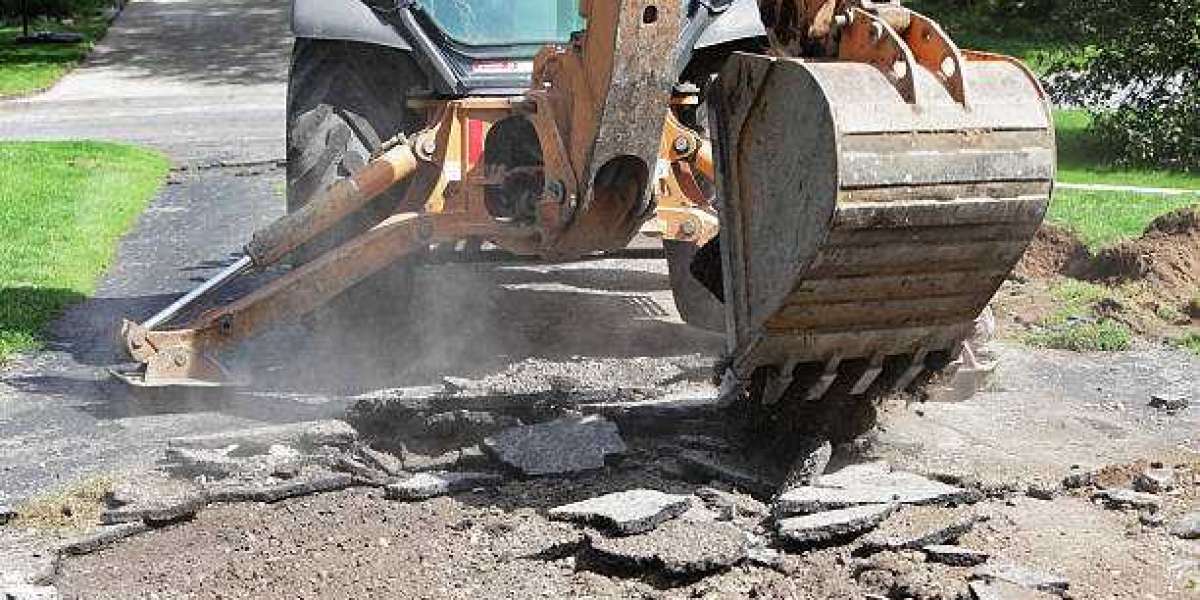
Heavy iron can do great work or great harm. Therefore, operators follow strict traffic plans. Spotters guide machines with clear signals. Barricades set swings and no-go zones. Excavators use quick couplers with safety locks. Daily inspections find leaks and loose pins. If something fails, they tag it out fast. Fueling happens in a lined area. Spill kits sit within reach at all times.
Meanwhile, loading zones stay level and clean—trucks tarp loads before they roll. Routes avoid schools and tight streets. Radios keep drivers synced with ground crews. Also, backups use alarms and cameras. Staging separates scrap, concrete, and rebar. That order speeds recycling and cuts hazards. With tight logistics, the site runs like clockwork. Worker stress drops, and safety rises.
Dust, Noise, and Vibration Controls
Dust harms lungs and also hides hazards. Water cannons knock it down at the source. Misters cool hot spots during saw cuts. Crushers often run with built-in sprays. Street sweepers keep exits clear. Moreover, crews watch the wind and change angles. Noise needs control, too. So teams use mufflers and barriers. They schedule loud work during set hours. Vibration can travel through soil and walls. Thus, monitors watch peak limits in real time. If levels climb, they change the method. Pre-condition surveys protect neighbors. Photos and crack gauges record conditions. This record lowers claims and tension. For larger projects, teams offering professional demolition services in Mesa AZ deploy these controls as standard. Clear signs inform the public. With simple steps, the site stays calm. People nearby notice the care.
Structural Sequencing and Monitoring
Buildings fall safely when the order is right. Engineers set the sequence step by step. They pick support and safe drop zones. Crews remove non-load items first. Then they cut the meat into small bites. Temporary shores keep loads off workers—torch work pairs with fire watches. Water lines and extinguishers stand by. Therefore, getting professional demolition services in Mesa AZ can save you time and money in the long run.
Moreover, anchors and cables keep parts steady. Drones and cameras add another view. Supervisors check deflection markers and tilt sensors. If movement starts, they pause and reassess. Hand tools finish edges near utilities. Mechanical grabs handle larger frames. Debris never piles higher than set limits. Haulers move material off-site the same day.
Emergency Readiness and Community Communication
Even great plans can face surprises. That is why teams drill often. Crews can find exits with eyes closed. First aid kits stay stocked and checked. AEDs remain visible and tested. Moreover, supervisors carry contact lists. They can reach police and utilities fast. Spill trays and absorbents sit near fuel. Fire blankets ride in hot-work zones. If the weather shifts, the plan shifts too. Stormwater controls hold soil in place. Silt fences and inlet bags get checked.
Meanwhile, neighbors get regular updates. Hotlines and signs share schedules and routes. With honest updates, trust grows. In closing, safe teams act before problems develop. They plan, train, and adapt every day. For projects that value safety and steady progress, many owners choose Stone Creek Grading.