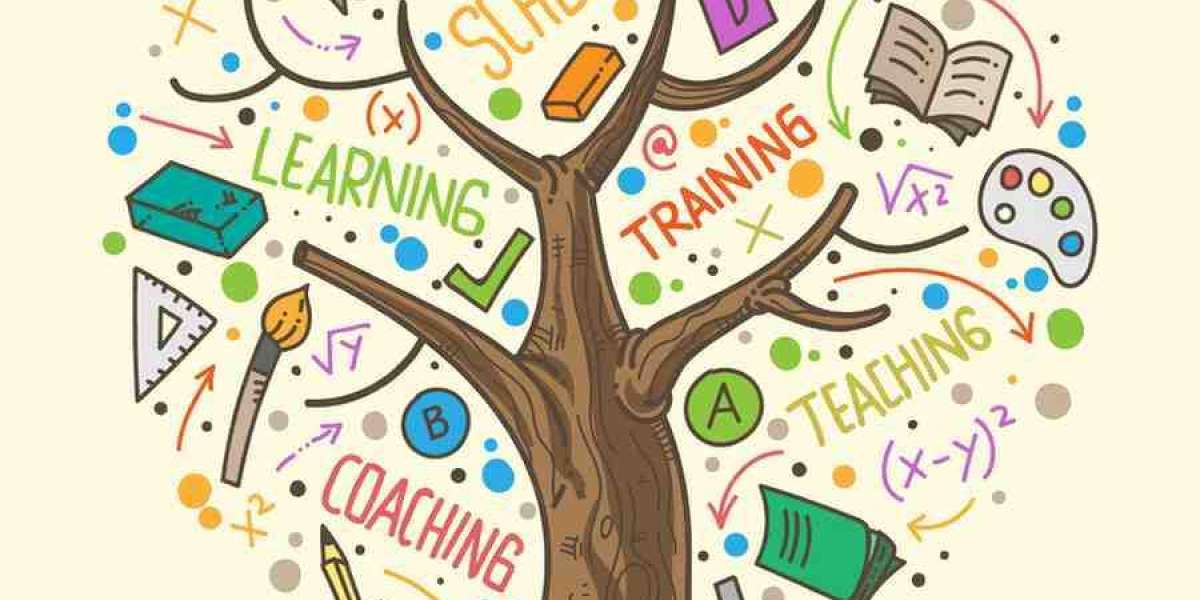

Early childhood education is most effective when children learn through play. Play is not just a fun activity; it is a powerful educational tool that promotes cognitive, social, emotional, and physical development. In Kondapur, parents looking for quality early education often prioritize programs that integrate play-based learning, and The Launchpad School offers a thoughtfully designed curriculum that focuses on learning through exploration, creativity, and hands-on experiences.
What is Play-Based Learning?
Play-based learning is an educational approach where children learn by engaging in activities that are fun, meaningful, and hands-on. Instead of relying solely on textbooks or lectures, this approach encourages children to explore, experiment, and discover concepts on their own, under the guidance of trained educators.
Benefits of Play-Based Learning:
Cognitive Development: Enhances problem-solving, critical thinking, and creativity
Social Skills: Promotes cooperation, sharing, teamwork, and communication
Emotional Growth: Helps children manage emotions, build confidence, and develop empathy
Physical Development: Strengthens motor skills, coordination, and overall fitness
Motivation to Learn: Fosters curiosity and a love for learning
Play-based learning ensures children are actively involved in their education rather than passively receiving information.
Play-Based Learning at The Launchpad School
At The Launchpad School in Kondapur, play-based learning is a central part of the curriculum for children from nursery to Senior KG. The school combines structured activities with free play to ensure holistic development.
Curriculum Highlights:
Language and Literacy:
Storytelling, rhymes, and group reading
Phonics, alphabet recognition, and vocabulary development
Show-and-tell and role play to enhance communication skills
Numeracy and Logical Thinking:
Number recognition, counting, and basic arithmetic
Shape, pattern, and color identification
Puzzles, sorting, and sequencing activities
Creative Arts and Expression:
Drawing, painting, and crafts
Music, dance, and movement sessions
Role play, dramatization, and imaginative play
Physical Development:
Outdoor games, obstacle courses, and free movement
Indoor exercises, yoga, and coordination activities
Fine motor skill development through crafts and building blocks
Social and Emotional Development:
Sharing, teamwork, and empathy-building activities
Guided interactions to manage emotions
Building confidence, independence, and problem-solving skills
Features of a Play-Based Learning Environment
A successful play-based learning program requires a safe and stimulating environment. The Launchpad School provides:
Safe, child-friendly classrooms and play areas
Age-appropriate toys, materials, and learning tools
Outdoor and indoor spaces for physical activity and exploration
Trained teachers who facilitate learning through guided play
Opportunities for children to explore their interests at their own pace
This environment allows children to learn naturally while having fun and staying safe.
Why Parents Prefer Play-Based Learning in Kondapur
Parents in Kondapur increasingly recognize the benefits of play-based learning for early childhood development. Traditional rote-learning methods often fail to engage young learners, while play-based approaches:
Encourage curiosity and self-motivation
Support holistic development across cognitive, social, emotional, and physical domains
Help children develop critical thinking and problem-solving skills early
Prepare children for academic success while keeping learning enjoyable
Promote confidence, independence, and resilience
How Play-Based Learning Prepares Children for School
Children who experience play-based learning are better prepared for formal schooling. Through structured play:
They develop attention span and focus for classroom learning
They acquire early literacy and numeracy skills in a fun context
They learn to interact positively with peers and teachers
They become confident, adaptable, and eager learners
They transition smoothly to Junior KG, Senior KG, and beyond
The Launchpad School ensures that children are academically ready without compromising their natural curiosity and love for learning.
Examples of Play-Based Activities
Some examples of activities used in play-based learning at The Launchpad School include:
Building Blocks and Puzzles: Enhance spatial awareness and problem-solving skills
Storytelling with Props: Encourages imagination, listening, and comprehension
Role Play and Dress-Up Games: Teach social skills, empathy, and creativity
Nature Exploration: Outdoor activities that connect children with the environment
Art and Craft Projects: Foster fine motor skills and self-expression
Each activity is designed to combine fun with meaningful learning outcomes.
The Launchpad School Advantage
The Launchpad School in Kondapur stands out for its commitment to play-based learning:
Experienced and caring educators trained in early childhood development
Safe, clean, and stimulating play areas
A curriculum that integrates academics, creativity, and physical activity
Focus on holistic development and school readiness
Strong parent-teacher communication to support learning at home
This approach ensures children not only develop academic skills but also gain confidence, social competence, and emotional resilience.
Conclusion
play-based learning kondapur at The Launchpad School provides an ideal foundation for young learners. By combining structured academics with creative play, physical activities, and social interaction, the school nurtures confident, curious, and well-rounded children. Parents can trust that their child is developing essential skills for lifelong learning in a safe, stimulating, and joyful environment.
FAQs
1. What is play-based learning?
Play-based learning is an approach where children learn through hands-on activities, exploration, and guided play rather than traditional rote methods.
2. What are the benefits of play-based learning?
It supports cognitive, social, emotional, and physical development, while fostering curiosity, creativity, and school readiness.
3. At what age is play-based learning recommended?
Play-based learning is ideal from nursery through Senior KG, typically for children aged 2.5 to 5 years.
4. How does play-based learning prepare children for school?
It develops attention, literacy, numeracy, problem-solving, social skills, and confidence, ensuring a smooth transition to formal education.
5. Why choose The Launchpad School in Kondapur for play-based learning?
The school offers safe play areas, a holistic curriculum, experienced teachers, and a nurturing environment for children to thrive academically and emotionally.