
2025 Endoscopy Prep Explained: What Is Required Before the Test | Bestwrites
If you are scheduled for an endoscopy, knowing what to do before the test is the best way to ensure a smooth, safe, and accurate procedure. This 2025 Endoscopy Prep Guide explains all the steps you must follow, including diet rules, fasting instructions, medication changes, and what to expect on the day of the exam. The goal is to give you clear, simple guidance you can trust.
What Is an Endoscopy?
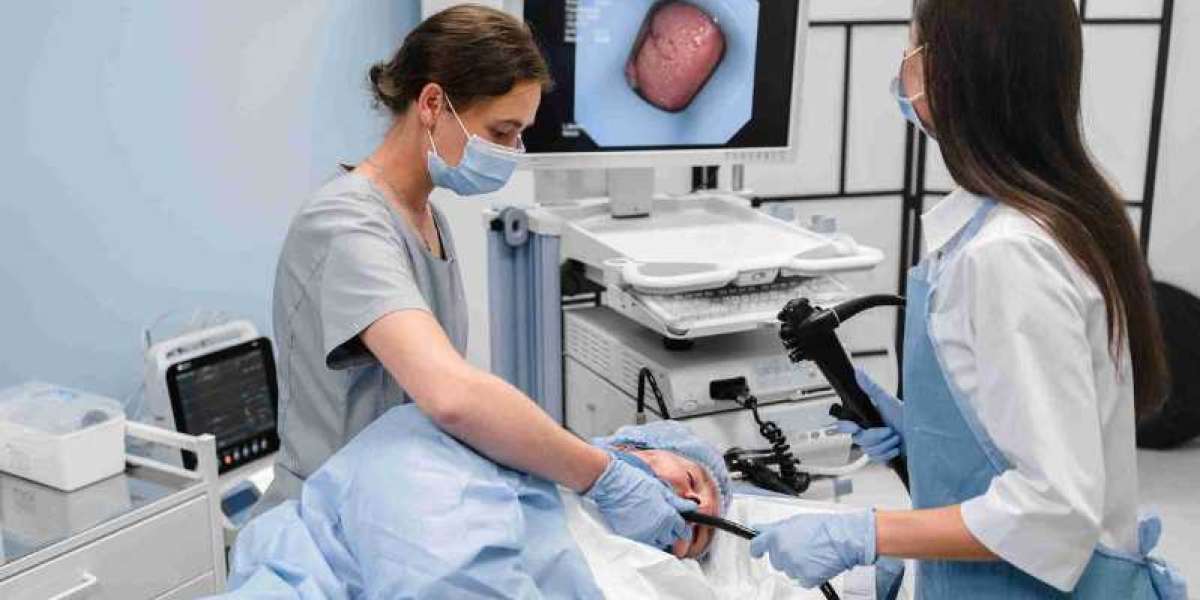
An upper endoscopy is a medical procedure that allows your doctor to examine your esophagus, stomach, and the beginning of your small intestine. A thin, flexible tube with a camera is inserted through your mouth, giving the doctor a clear view of your digestive system.
Doctors use endoscopies to diagnose:
- Acid reflux
- Swallowing problems
- Chronic nausea
- Ulcers
- Stomach pain
- Internal bleeding
The procedure usually lasts 10–20 minutes and is performed with sedation so you feel relaxed and comfortable.
Why Endoscopy Prep Matters in 2025
Updated guidelines for 2025 place strong emphasis on proper preparation. When the stomach is fully empty, the doctor can see clearly and complete the test safely.
Good prep leads to:
- Better diagnostic accuracy
- Reduced risk of complications
- Shorter test time
- Fewer rescheduled appointments
- Improved patient comfort
Following your instructions exactly is one of the most important parts of the test.
What You Must Do Before an Endoscopy: Step-by-Step Prep Guide
Below is everything required before your 2025 endoscopy.
1. Provide Your Full Medical History
Your medical team needs a complete picture of your health before the procedure. Be sure to share:
- Current medications
- Allergies
- Past surgeries
- Chronic illnesses (heart disease, diabetes, asthma, etc.)
- History of anesthesia problems
- Bleeding disorders
- Pregnancy status
This information helps your doctor select the safest sedation and adjust your prep instructions if needed.
2. Follow Medication Instructions Carefully
Some medications must be changed or paused before an endoscopy.
Your doctor may adjust:
- Blood thinners
- Diabetes medications
- Iron supplements
- NSAIDs like ibuprofen
- Certain heart medications
Never change or stop medication without medical approval.
3. Follow the Proper Diet the Day Before
Most patients need to switch to a light, low-fiber diet before fasting.
Approved food options include:
- Eggs
- White bread or toast
- Plain pasta or rice
- Soup or broth
- Bananas
- Plain yogurt (if permitted)
Avoid these foods:
- Raw vegetables
- Salads
- Nuts, seeds, popcorn
- Whole grains
- Fried or spicy meals
- Red or purple foods or drinks
Eating simple foods helps keep your stomach clear.
4. Begin Your Fasting Period on Time
Fasting is one of the most important prep requirements.
Stop solid foods 8–12 hours before the test.
This means no snacks, gum, or candy.
You may drink clear liquids until 2–4 hours before the procedure.
Clear liquids include:
- Water
- Apple juice
- Clear electrolyte drinks
- Tea or black coffee
- Clear broth
Do not drink milk, soda, smoothies, or orange juice.
Your healthcare team will give you the exact times you must stop eating and drinking.
5. Stay Hydrated Until Fasting Begins
Drinking fluids helps you feel better during the fasting period and makes it easier for the nurse to place your IV. Hydrate well the day before the test unless your doctor instructs otherwise.
6. Arrange Transportation for After the Test
Because sedation affects memory, reaction time, and coordination, you cannot drive after an endoscopy.
You must have:
- A licensed adult to drive you home
- Someone to stay with you if required
Arriving without a driver may lead to cancellation.
7. Prepare for Test Day
To make the appointment smooth:
- Wear comfortable, loose clothing
- Bring your ID, insurance card, and medication list
- Remove jewelry
- Arrive 20–30 minutes early
This helps the clinic keep your test on schedule.
What Happens During the Endoscopy
Knowing what to expect helps reduce stress.
- You check in and review your medical information.
- A nurse places an IV for sedation.
- Your vital signs are monitored for safety.
- Sedation is given to help you relax.
- The doctor gently inserts the endoscope.
- The exam lasts 10–20 minutes.
- You rest in recovery until you are fully awake.
Most patients remember little or nothing from the procedure.
What to Expect After the Test
You may feel:
- A mild sore throat
- Bloating or gas
- Sleepiness
These symptoms usually go away within a few hours.
Post-test guidelines:
- Start with clear liquids
- Move to soft foods as you feel ready
- Rest the remainder of the day
- Do not drive, drink alcohol, or make major decisions for 24 hours
Contact your doctor right away if you experience severe pain, fever, difficulty breathing, or repeated vomiting.
2025 Endoscopy Prep Checklist
✔ Medical history submitted
✔ Medication changes reviewed
✔ Light diet followed
✔ Fasting started on time
✔ Clear liquid rules followed
✔ Driver arranged
✔ Clothing and documents prepared
Final Thoughts
Endoscopy preparation may seem detailed, but each step is designed to keep you safe and help your doctor get accurate results. With this 2025 prep guide from Best writes, you can follow every requirement confidently and feel fully ready for your test.