Natural Stone Exporters in India: A Quiet Industry Shaping Skylines Across the World
There’s something timeless about stone.
Before concrete, before steel, before the world grew obsessed with glass and angles — stone was the first material humans trusted.
It carries history in its veins. Heat, pressure, age, silence… all of it compressed into a texture that feels both ancient and alive.
India’s relationship with stone runs deep.
Temples carved into mountainsides, palaces shaped from marble, cobbled pathways polished by centuries of footsteps — stone is woven into the country’s architecture like memory.
It’s no surprise, then, that natural stone exporters in India have become some of the most sought-after partners around the world.
But the story isn’t just about trade.
It’s about craft, geography, skill, and something more emotional — the quiet pride of sending pieces of our land to cities thousands of miles away, where they become floors, facades, kitchens, monuments, and landmarks.
This is a deep, flowing, atmospheric exploration into India’s natural stone export world — without brand names, without artificial tones, without robotic patterns.
1. Why the World Looks Toward India for Natural Stone
Walk across any major city — Dubai, London, New York, Singapore — and there’s a good chance you’ve stepped on or passed by Indian stone without ever realising it.
The demand isn’t luck.
It’s a mix of geography, craftsmanship, and natural abundance.
A. A Land Built on Geological Wealth
India sits on some of the oldest rock formations on Earth.
Millions of years of tectonic pressure and mineral layering created stones with character — granite that can handle monsoons and heat, marble with soft drifting veins, sandstone that feels warm under sunlight.
B. Skilled Craftsmanship Passed Through Generations
Cutting stone is not just technical; it’s intuitive.
Many export regions in India rely on families that have shaped stone for decades, sometimes centuries.
They understand how it fractures, how it polishes, how it behaves under heat and weight.
C. Variety That Few Countries Can Match
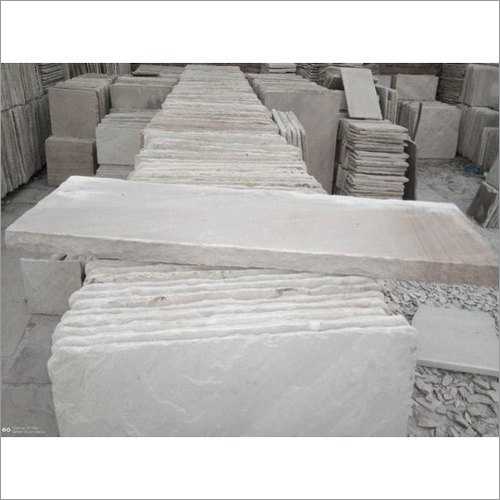
Granite, marble, sandstone, slate, limestone, quartzite — each with its own colours, textures, grains, and moods.
Buyers around the world choose India because they can source everything from one place.
D. Reliability Built Over Years
Stone exporting isn’t fast.
It requires consistency, patience, and trust.
India’s exporters have earned that trust by delivering quality repeatedly, even through fluctuating global markets.
These four pillars make India one of the biggest natural stone hubs on the planet.
2. The Stones India Sends Across Oceans
Every stone has its own personality.
Some whisper.
Some shine.
Some demand attention the moment you walk into a room.
Here’s a natural, flowing look at the major stones exported from India and why they captivate buyers worldwide.
A. Granite — Strong, Bold, Unshakeable
Granite is one of India’s strongest exports — literally and figuratively.
What makes it special:
High durability
Resistance to heat, stains and weather
Deep, complex mineral patterns
Rich colour variations
Long life with minimal maintenance
Granite from India ends up in luxury kitchens, skyscraper facades, temples, outdoor pavements, and public monuments.
It’s chosen when longevity is non-negotiable.
B. Marble — The Soft Luxury
Marble isn’t about strength.
It’s about beauty.
Indian marble carries a gentle, alluring charm — cloudy veins, soft shades, creamy undertones.
The kind of material that instantly elevates a lobby, a staircase, a bathroom, or a sculpture.
It’s the stone architects use when they want a space to feel expensive without shouting.
C. Sandstone — Warm, Earthy, Inviting
Sandstone connects emotionally.
It feels warm in the sun, cool at dusk, and blends naturally into landscapes.
Popular uses:
Gardens
Cladding
Pathways
Heritage-style buildings
Outdoor seating areas
Its natural texture makes it perfect for rustic, Mediterranean, and Indian-inspired architecture.
D. Slate — Quiet and Understated
Slate has a personality that doesn’t seek attention.
Dark, layered, slightly rugged — it fits minimalist spaces beautifully.
Buyers choose slate for:
Wall panels
Floors
Outdoor areas
Earth-tone designs
It’s a stone that whispers luxury.
E. Limestone — Soft Colours, Smooth Finish
Limestone feels gentle underfoot.
Its natural matte finish reflects light in a soothing way.
It’s often chosen for:
Villas
Resort architecture
Courtyards
Columns
Its soft colours make it look timeless in both modern and traditional designs.
F. Quartzite — Striking, Elegant, Almost Artistic
Quartzite is a natural performer.
Its patterns look hand-painted, its colours dramatic, its durability impressive.
This stone ends up in high-end projects around the world where clients want something bold yet natural.
3. The Journey of Stone: From Mountain to Shipyard
Most people only see the final polished slab.
But the journey is long, physical, and almost poetic.
Step 1: Extraction
Huge blocks are cut from quarries using wire saws, drills, and silent precision.
It’s not brute force — it’s controlled separation.
Step 2: Shaping the Raw Blocks
These blocks travel to factories where they’re sliced into slabs or tiles.
Water sprays, giant blades hum, stone dust rises like fog — the work is intense yet careful.
Step 3: Polishing Finishing
This is where the stone wakes up.
Veins reveal themselves.
Colours deepen.
Textures soften.
Finishes include:
polished
honed
brushed
flamed
natural split
leathered
Each finish gives the stone a different mood.
Step 4: Sorting, Grading, Inspection
Not every slab is perfect.
Exporters handpick pieces that meet project requirements — colour consistency, thickness, firmness, appearance.
Step 5: Packing Loading
Stone has weight but it’s delicate.
Export packaging is an art of its own — wooden crates, protective layers, moisture-resistant covers.
Step 6: Exporting Overseas
Ships carry containers from ports like Mundra, Chennai, or Mumbai to construction sites across continents.
By the time a piece of Indian stone reaches a foreign home, it has lived an entire story.
4. Why International Architects Prefer Indian Natural Stone
It’s not just cost.
Or variety.
Or availability.
It’s character.
A. Natural Patterns That Feel Alive
Artificial stone looks perfect but lifeless.
Natural Indian stone has movement, veins, depth — something the eye never gets tired of.
B. Suitable for Harsh Climates
From Middle Eastern heat to European winters, Indian stone adapts effortlessly.
C. Ethical Quarries Modern Processing
The industry has modernized fast — safer quarries, better machinery, skilled workers.
D. Flexibility for Custom Projects
Thickness. Size. Shape. Finish.
Exporters can tailor stone exactly the way architects dream it.
E. Aesthetic Diversity
Minimalist homes, luxury hotels, plazas, resorts, corporate towers — Indian stone fits everything.
5. How Buyers Choose the Right Stone Export Partner in India
Even without brand names, there are clear signs of professionalism.
A. Consistent Quality
Stone must match the expected colour and pattern, especially when used across large surfaces.
B. Understanding of Global Standards
Packaging, thickness, finish quality — all must meet international expectations.
C. Transparency in Grading
A good exporter doesn’t hide imperfections.
They explain them.
D. Ability to Handle Bulk Orders
Large projects need uniformity and timely delivery.
E. Experience With International Clients
Smooth communication, correct paperwork, shipping coordination — these things matter as much as the stone itself.
When these factors align, the partnership becomes long-term.
6. The Emotional Side of Stone
Stone is often seen as cold, but it’s strangely emotional.
A slab of marble carries centuries of pressure.
A block of granite was once molten rock.
Sandstone preserves bits of ancient earth.
Slate hides layers from forgotten eras.
When a homeowner or architect chooses natural stone, they aren’t just selecting material.
They’re choosing a piece of the planet — something permanent, something that will outlive them.
Indian exporters don’t just export stone.
They export stories the Earth wrote long before us.
7. How Natural Stone Shapes Modern Indian Identity Abroad
Every time an Indian granite countertop appears in a foreign home…
Every time an international hotel uses Indian marble in its lobby…
Every time a plaza uses Indian sandstone for walkways…
It quietly spreads India’s craftsmanship across the world.
It’s soft diplomacy made of stone.
Silent, subtle, lasting.
8. The Future of Natural Stone Exporting in India
The industry is evolving, not slowing.
A. Eco-friendly quarrying
More exporters now follow sustainable methods.
B. Innovation in finishes
Leather, brushed, textured patterns — global tastes are shifting and India adapts fast.
C. Rising demand for custom sizes
Clients want customised cuts, book-matched slabs, seamless installations.
D. Growing global visibility
Indian stone isn’t treated as “budget stone” anymore.
It’s premium, respected, and stylish.
E. Expansion into new markets
Africa, Southeast Asia, Eastern Europe — demand is rising.
The next decade may be India’s biggest boom in the stone sector.

Final Thoughts: Stone Is Silent, But Its Journey Is Powerful
Natural stone exporters in India aren’t just part of a trade.
They’re part of a legacy — one that connects the Earth’s deepest layers to the world’s most beautiful structures.
Every piece of stone carries:
weight
age
memory
texture
identity
It begins as a rough block in a quarry under the Indian sun…
and ends as a polished masterpiece in a city far away.
In that journey lies the quiet strength of India’s natural stone industry — steady, skilled, confident, and timeless.