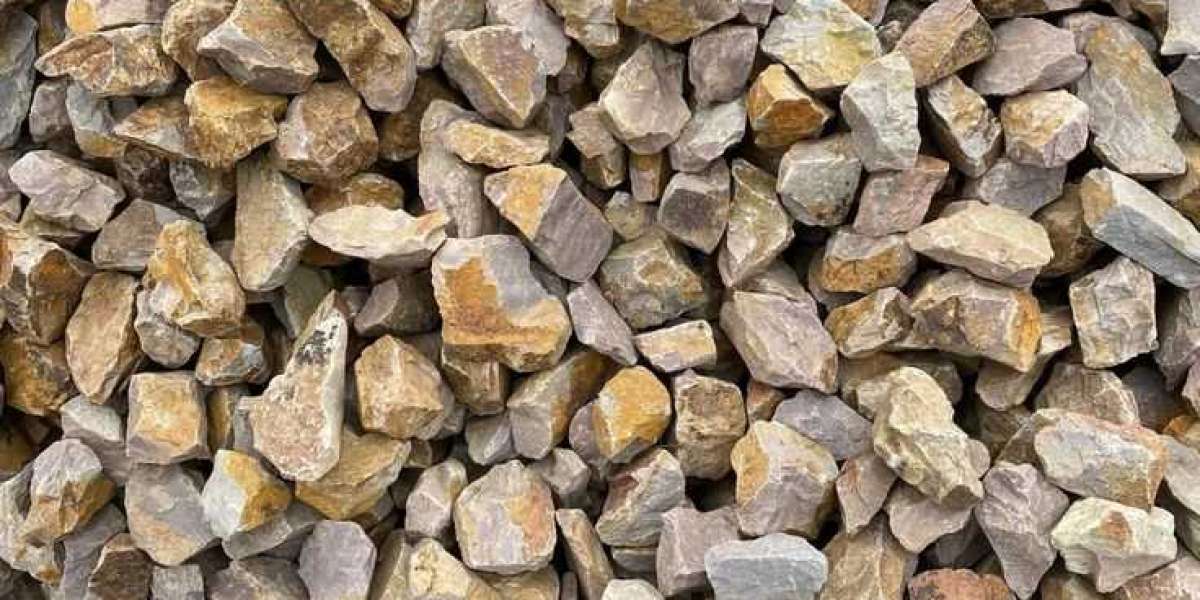

Sandstones: Timeless Strength, Natural Texture Warm Earth-Tone Beauty
Sandstone is one of those materials that doesn’t try to impress you at first glance.
It doesn’t shine like marble.
It doesn’t glare like polished granite.
It simply sits there — warm, earthy, grounded — as if it has been waiting for centuries for someone to notice its quiet beauty.
And yet, when you look closely, sandstone holds entire stories inside it.
Layers of time.
Grains shaped by wind and water.
Colours that feel borrowed from the land itself.
Across the world — and especially in regions where tradition blends with modern design — Sandstones has always had a place. Not because it shouts, but because it stays. Because it feels real. Because it ages gracefully, the way living things do.
This piece is a slow, layered exploration of sandstone: how it forms, why people love it, how it behaves in architecture, and why it continues to be one of the most trusted stones for builders, designers, and dreamers.
No technical stiffness.
No artificial structure.
Just a natural flow — like sandstone itself.
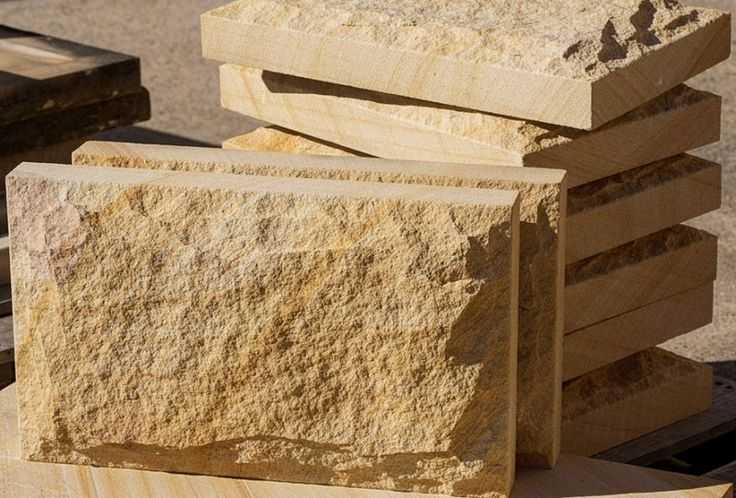
1. What Sandstone Really Is (Beyond the Surface)
At its core, sandstone is simply grains of sand pressed together over millions of years.
But that explanation feels too small for what it actually represents.
Sandstone is:
compressed time
ancient landscapes
broken mountains reborn as new stone
a record of weather, water, and earth’s slow breathing
Every piece of sandstone you see is essentially a chapter from Earth’s history.
The grains inside it were once part of riverbeds, dunes, beaches, valleys.
Slow pressure turned them into a stone that carries both softness and strength — a rare combination.
And that’s why sandstone feels familiar to people, even if they don’t know much about geology.
2. The Colours of Sandstone: A Palette Borrowed from Nature
What makes sandstone instantly appealing is its colour range.
It doesn’t look artificial or forced.
It looks like it came from places we’ve already seen in our lives — deserts, cliffs, riverbanks, dry soil after a long summer, wet mud in monsoons.
Common tones include:
warm beige
golden yellow
soft brown
reddish rust
pale cream
muted greys
layered bands of multiple colours
These colours make sandstone blend into almost any environment.
A courtyard, a patio, a pathway, a wall — sandstone finds its place without trying too hard.
Designers love it because it creates naturally warm spaces.
Homeowners love it because it feels grounded and calm.
Builders love it because it’s dependable.
3. The Texture: Where Sandstone Shows Its Personality
Run your fingers across sandstone and you’ll understand why people choose it.
The texture carries a faint roughness — not sharp, not aggressive — just enough texture to feel real.
Depending on how it’s cut and finished, sandstone can feel:
smooth and matte
lightly grained
rustic and uneven
soft to the touch
sandy, almost like the beach
This natural imperfection is part of the charm.
Every tile or slab feels a little different.
Every surface has its own behaviour under light.
In bright sunlight, sandstone glows.
Under shadows, it deepens.
In rain, it darkens into rich tones.
Very few stones react to weather the way sandstone does.
4. Why Sandstone Has Been Used for Centuries
Sandstone isn’t a new trend.
It’s an ancient solution.
People used it for temples, forts, courtyards, steps, pathways, and homes long before modern materials existed.
Why?
Because sandstone is reliable.
Strong enough for structures
Versatile enough for design
Soft enough to shape
Hard enough to last decades
Cool underfoot in hot climates
Non-slippery when textured
And importantly: sandstone ages beautifully.
Instead of looking old and tired, it develops character.
The surface begins to tell its own story — like leather that becomes better with time.
That longevity gives sandstone a sense of dignity.
5. Sandstone in Modern Architecture: Where Tradition Meets Clean Design
Even in modern homes, sandstone fits effortlessly.
You’ll see it used in:
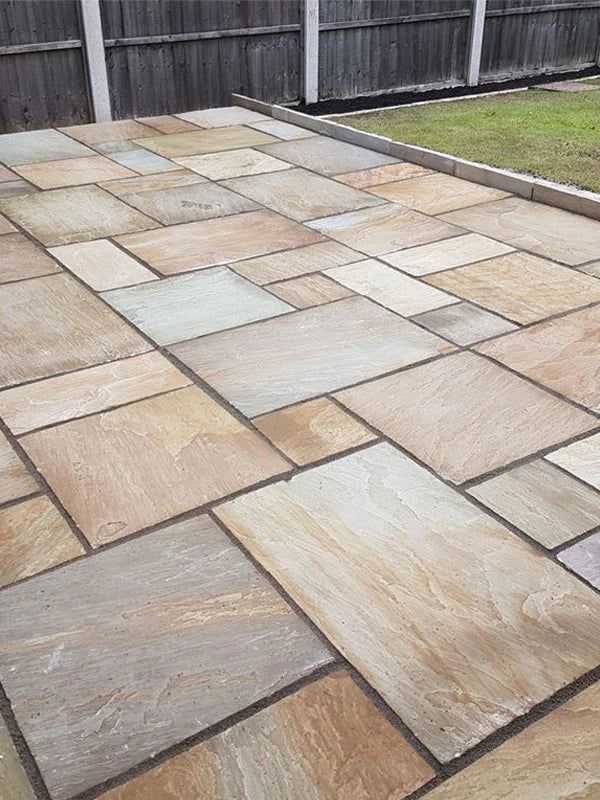
patio flooring
garden pathways
poolside areas
interior accent walls
steps and staircases
outdoor seating blocks
boundary walls
courtyards
verandas
driveways (with proper thickness)
Modern designers like sandstone because it introduces warmth into clean, minimal spaces.
Glass and steel may feel cold on their own, but sandstone softens the environment.
A single sandstone feature wall can make a room feel more human.
A pathway paved with sandstone feels natural, not artificial.
It connects architecture to nature without forcing it.
6. Sandstone Outdoors: Why Landscapes Love It
Landscapers don’t choose sandstone randomly.
They choose it because it behaves well with earth, plants, and weather.
Here’s why it works outdoors:
A. Natural slip resistance
The grains provide grip even when wet.
B. Temperature comfort
Sandstone doesn’t get painfully hot in the sun.
You can walk barefoot on a summer afternoon without burning your feet.
C. Harmonious with greenery
Its earthy tones make plants look brighter.
D. Perfect for patios and seating areas
Because it’s strong, stable, and visually calm.
E. Works beautifully around water
Near pools, ponds, fountains — it feels at home.
If you’ve ever walked on a sandstone pathway right after rain, you know how alive it can look.
7. Sandstone in Interiors: A Soft, Warm Alternative to Cold Stone
Inside the home, sandstone brings a different kind of atmosphere.
Gentle.
Warm.
Textured.
Interior uses include:
flooring
bathroom walls
kitchen backsplashes
living room feature walls
niches and arches
stair treads
Interior sandstone has a softness that other stones lack.
It feels like a material meant for living spaces rather than just structures.
When sunlight hits a sandstone wall inside the house, it doesn’t reflect sharply — it diffuses the light.
This creates a cozy, welcoming ambience.
8. The Psychological Appeal of Sandstone
People don’t choose sandstone only because it looks good or lasts long.
There’s an emotional layer to it.
Sandstone feels:
warm
steady
grounded
connected to nature
familiar
calming
It carries the texture of earth.
The colours of land.
The weight of time.
In a world full of artificial materials, sandstone feels honest.
This subtle emotional comfort is one of the biggest reasons homeowners gravitate toward it.
9. How Sandstone Ages Over Time
Unlike glossy stones that lose their shine, sandstone improves with age.
Its colour deepens.
Its edges soften.
Its grains settle.
Its personality grows.
Outdoor sandstone develops a weathered look that feels like it belongs.
Indoor sandstone becomes smoother and richer.
This ageing process makes spaces feel lived-in rather than sterile.
Homes built with sandstone rarely feel brand new — they feel warm from day one.
10. Caring for Sandstone: Simpler Than Most People Think
Sandstone maintenance is surprisingly minimal if done right.
Basic care includes:
sealing in moisture-prone areas
gentle cleaning
avoiding harsh chemicals
brushing off dirt regularly
using mats in high-traffic zones
Sandstone isn’t fragile; it just prefers soft handling.
Think of it like a wooden table: it lasts forever if you treat it with basic respect.
11. Why Sandstone Remains One of the Most Trusted Natural Stones
Sandstone’s popularity has never faded because it offers a unique combination of qualities:
Natural beauty
Easy workability
Timeless colours
High durability
Compatibility with modern and traditional styles
Comfort underfoot
Strong visual warmth
Weather-friendly behaviour
It’s one of the rare materials that looks good today and will look even better 20 years from now.
12. Sandstone as an Experience, Not Just a Material
Stand barefoot on sandstone in the morning — you feel coolness.
Sit on a sandstone seat at sunset — you feel warmth.
Touch a sandstone wall — you feel texture, time, and subtle softness.
It’s a stone that interacts with you.
Not cold.
Not flashy.
Not distant.
Just quietly present.
Sandstone doesn’t steal attention.
It holds space.
Maybe that’s why so many homes, landscapes, and public places continue choosing it — because sandstone doesn’t just build structures; it builds atmosphere.
Final Thoughts: Sandstone’s Beauty Is in Its Honesty
In a world full of polished surfaces and synthetic finishes, sandstone stands out by doing nothing extra.
It simply is.
Earthy.
Warm.
Reliable.
Textured.
Timeless.
It connects buildings to landscapes, people to spaces, and modern design to ancient roots.
Whether used in a garden, a patio, a living room, or a grand exterior, sandstone brings a sense of calm and grounding that few materials can offer.
It doesn’t try to impress.
It doesn’t force itself.
It blends, breathes, and belongs.
And maybe that’s the true charm of sandstone —
its ability to whisper beauty instead of shouting it.





