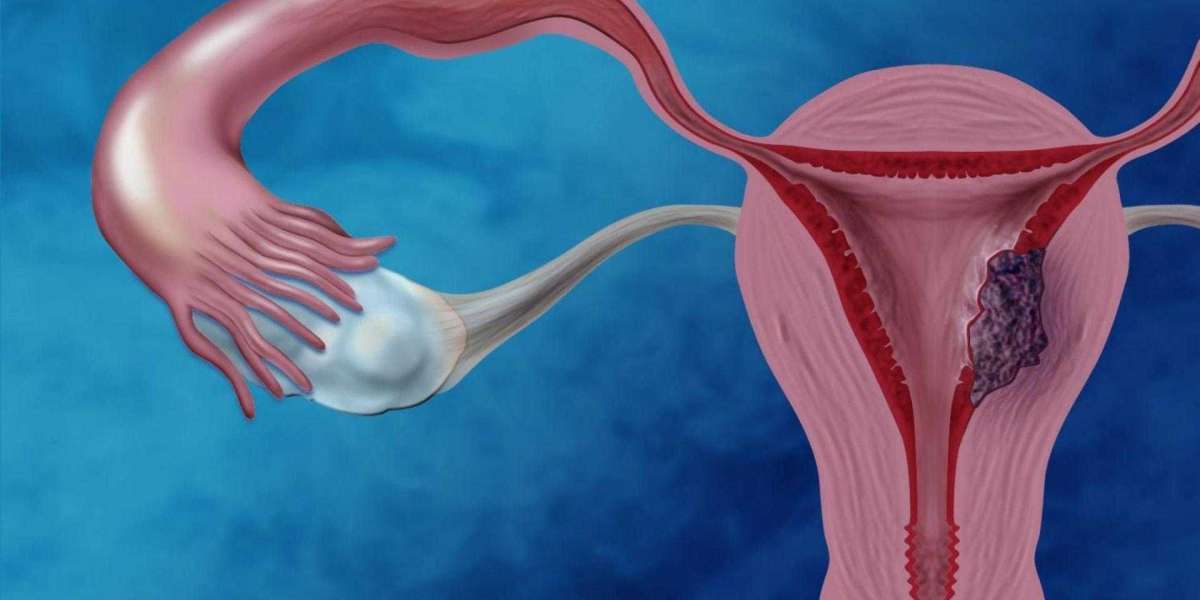

Endometrial cancer is a type of cancer that starts in the lining of the uterus, known as the endometrium. It is the most common gynecologic cancer and often shows symptoms early, which makes early diagnosis more likely. Many women notice unusual bleeding or pelvic discomfort and seek help before the disease becomes advanced. Understanding its symptoms, risk factors, and causes can help women recognize warning signs quickly and get timely medical care. This guide explains everything in a friendly, conversational way so you can confidently understand what endometrial cancer is and how it develops.
What Is Endometrial Cancer?
Endometrial cancer forms when the cells in the uterine lining begin to grow abnormally. Instead of following a typical pattern of cell growth and shedding (as in menstrual cycles), these cells multiply uncontrollably, eventually forming a mass or tumor. Unlike some cancers that are difficult to detect early, endometrial cancer often triggers noticeable symptoms such as abnormal bleeding. This makes awareness especially important because early-stage diagnosis leads to better treatment outcomes and higher survival rates.
There are two main types: Type I, which grows slowly and is often linked with estrogen imbalance, and Type II, which is more aggressive and less common. Regardless of type, early medical evaluation is key.
Symptoms of Endometrial Cancer
Recognizing symptoms early can make a huge difference in treatment success. Endometrial cancer often presents clear warning signs, but many women ignore them or assume they are related to hormonal changes or aging. Being aware of these symptoms helps you know when to seek medical support.
One of the most common symptoms is abnormal vaginal bleeding. This includes bleeding after menopause, spotting between periods, unusually heavy cycles, or bleeding after sexual intercourse. Because the endometrium is directly involved, any alteration in normal bleeding patterns should be taken seriously. Other symptoms include pelvic pain, a persistent feeling of pressure or fullness, and unusual vaginal discharge, which may be watery, pinkish, or mixed with blood. Some women also report pain during intercourse or unexplained weight loss in more advanced cases. If you notice any of these signs, especially after menopause, it is important to speak to a specialist promptly.
Causes of Endometrial Cancer
The exact cause of endometrial cancer is not always known, but doctors understand several contributing factors. One of the strongest links is hormonal imbalance, particularly when estrogen is present without sufficient progesterone. Estrogen stimulates the growth of the endometrial lining, and when this process continues unchecked, abnormal cell growth may develop into cancer.
Genetic changes in endometrial cells also play a role. Some women inherit conditions like Lynch syndrome, which significantly increases the risk of both endometrial and colon cancer. Other causes include obesity, which raises estrogen levels through fat tissue, and medical conditions such as polycystic ovary syndrome (PCOS), diabetes, or long-term estrogen-only hormone therapy. Age is another factor, as the majority of cases occur in women over 50. Although not all women with risk factors develop cancer, being aware of them can help guide preventive decisions and encourage routine checkups.
Risk Factors You Should Know
Understanding risk factors can help women take preventive steps and make more informed decisions about their health. One major factor is obesity, which increases estrogen levels and creates a hormonal environment that may encourage abnormal endometrial cell growth. A personal or family history of cancers, especially colon cancer or endometrial cancer, also raises the risk.
Women with irregular menstrual cycles, chronic anovulation (not ovulating regularly), or medical conditions like PCOS face higher risk due to prolonged estrogen exposure. Early menstruation (before age 12) and late menopause (after age 55) extend the duration of estrogen activity in the body, increasing exposure. Use of tamoxifen, a breast cancer medication, may also slightly raise the risk. While these factors do not guarantee cancer development, they highlight the importance of regular screening and paying attention to abnormal symptoms.
Diagnosis and When to Seek Medical Help
Diagnosis usually begins when a woman experiences abnormal bleeding and consults a doctor. The doctor takes a detailed medical history, performs a pelvic exam, and may recommend imaging tests like transvaginal ultrasound to check for changes in the uterine lining. If the lining appears thicker than normal, a biopsy is usually performed. This is the most accurate way to detect cancer because it examines actual cells from the endometrium.
In some cases, doctors may also use hysteroscopy, a procedure that allows them to view the inside of the uterus with a small camera. Early diagnosis significantly improves treatment outcomes, which is why you should seek medical help if you experience postmenopausal bleeding, persistent pelvic pain, or unexplained changes in menstrual patterns. Even if symptoms feel mild, it is better to get checked early than to wait.
Treatment Options for Endometrial Cancer
Treatment depends on the stage of the cancer, the patient’s overall health, and whether the disease has spread. In most early-stage cases, surgery is the primary treatment. This usually involves removing the uterus (hysterectomy), and sometimes the ovaries and fallopian tubes as well. Surgery offers excellent results when the cancer is detected early.
Some patients may require radiation therapy, chemotherapy, or hormone therapy, especially if the cancer is advanced or aggressive. Hormone therapy is often used for cancers sensitive to estrogen or progesterone. In recent years, targeted therapies and immunotherapies have become options for specific cases.
If you are experiencing symptoms of endometrial cancer or need guidance about diagnosis and treatment, it’s important to speak with an expert. Please book an appointment with the best Gynecologist through InstaCare to get timely evaluation, accurate advice, and proper treatment planning based on your health needs.
Conclusion
Endometrial cancer is one of the few cancers that often shows symptoms early, making awareness extremely valuable. Abnormal bleeding, pelvic discomfort, and unusual discharge should never be ignored—especially in women over 40 or those who have reached menopause. Understanding the causes and risk factors empowers women to make proactive choices and seek help at the right time. With early diagnosis, treatment outcomes are highly successful, and many women recover fully. Prioritizing regular checkups and paying attention to your body’s warning signs can make a life-changing difference.
FAQs
- Is endometrial cancer treatable?
Yes. When detected early, endometrial cancer is highly treatable and often cured through surgery. Additional treatments like radiation or hormone therapy may be recommended in some cases.
- Can endometrial cancer occur before menopause?
Yes, although it is more common after menopause. Younger women can still develop endometrial cancer, especially those with PCOS, obesity, or chronic hormonal imbalance.
- What is the first sign of endometrial cancer?
The most common first sign is abnormal vaginal bleeding, including bleeding after menopause, spotting between periods, or unusually heavy menstrual flow.