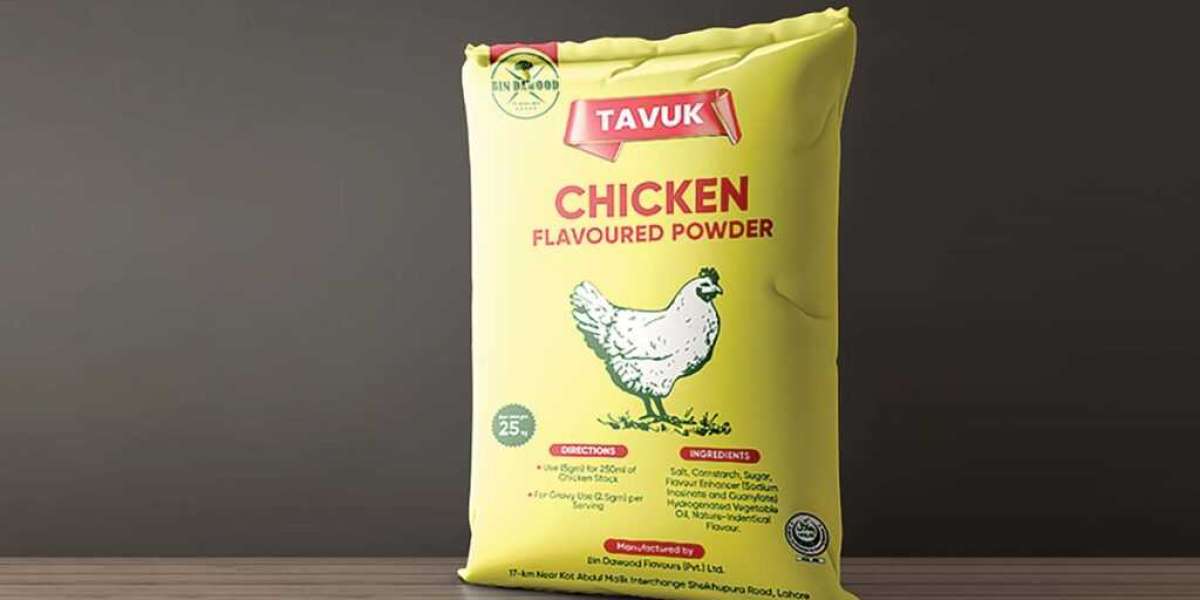

Modern cooking techniques, professional kitchens, and the flavour manufacturing world are in need of ingredients that can provide the taste of chicken consistently, richly, and reliably instantly. These flavour enhancers are making it possible for the chefs and food manufacturers to create the depth, aroma, and savoury intensity instantly without having to slow boil, long simmer, or prepare broths from scratch. This necessity is the root of the production of chicken essence and chicken powder, and their roles in culinary applications, spice mixes, food premixes, snacks, and ready meals are also the same.
What Is Chicken Essence
Chicken essence is a kind of extract, which can be in a liquid or semi-liquid form, that specialists obtain through a long and tightly controlled cooking process of chicken meat, bones, and natural juices. Expert manufacturers first simmer chicken at a low temperature, where the proteins get broken down into amino acids and the savory compounds are released. Then, the filtration process begins to get rid of the solids, and a concentrated and nutrient-dense liquid is left behind, which has a strong chicken smell and umami depth. Sometimes, this liquid goes through gentle further condensing to amplify its flavour profile. Chicken essence is not only a taste enhancer but also a natural-extracted quality, which makes it suitable for soups, sauces, marinades, high-end culinary preparations, and specialized food products that need a deeper, more natural chicken tone.
What Is Chicken Powder
Chicken powder is a dry, fine-textured seasoning made by blending dehydrated chicken extracts with spices, flavour enhancers, and stabilising agents to create a ready-to-use powdered form of chicken taste. Unlike chicken essence, which is liquid-based, chicken powder focuses on dryness, versatility, and long shelf life. It offers convenience because it dissolves quickly into foods, mixes easily into spice blends, and distributes flavour evenly. Food manufacturers, home cooks, and commercial kitchens prefer chicken powder because it provides a controlled chicken flavour without moisture, allowing it to work well in snack coatings, noodles, broths, instant soups, marinades, and dry rubs.
How Experts Make Chicken Essence
Chicken essence is created by placing fresh chicken meat and bones into a slow-cooking extraction chamber where they undergo heat for several hours. As the chicken cooks, its fibres break down and release natural juices, fats, and amino acids into the broth. This broth is filtered multiple times to remove impurities, and the liquid is then condensed to develop a richer flavour. The process results in a clean, aromatic extract that carries the natural taste of chicken without additives.
Chicken Powder Manufacturing Process
The process of chicken powder production begins with dehydrated chicken extract, which is created by removing the moisture from chicken stock or cooked chicken. This extract is then blended with natural spices, flavour compounds, and stabilisers to enhance taste, aroma, and shelf life. The entire mixture is milled into a fine powder that stays consistent when used in dry recipes. This production method gives chicken powder the ability to deliver strong chicken flavour in a dry and easily storable form, which is essential for food products that cannot handle added moisture.
Key Differences Between Chicken Essence and Chicken Powder
The main difference is in their form, production method, flavour intensity, and functional use in foods. Chicken essence offers a more natural, liquid-based chicken taste that comes directly from prolonged extraction, while chicken powder offers a dry, convenient, ready-mix seasoning option that fits well into powdered applications. These differences influence how each product behaves in recipes, how much flavour they release, and what kinds of food products benefit most from them.
Here is the comparison in the only bullet-point section of this blog:
- Chicken essence is liquid-based, naturally extracted, and has a deeper umami profile.
- Chicken powder is dry, blended with seasonings, and provides quick, convenient flavour.
- Chicken essence works best in soups, sauces, and gourmet dishes.
- Chicken powder works best in snacks, premixes, dry rubs, and instant foods.
- Chicken essence offers a more natural extraction, while chicken powder offers more versatility in dry applications.
Where Chicken Essence Works Best
Chicken essence is ideal for recipes that require slow-simmered richness or liquid depth, and chefs use it in broths, soups, gravies, sauces, marinades, and signature dishes where the natural chicken flavour must stand out clearly. Because it integrates smoothly into water-based and heat-based cooking, it enhances dishes without adding texture or dryness. This makes it valuable in professional cooking and high-quality food products that need authentic chicken flavour with a natural tone.
Where Chicken Powder Works Best
Chicken powder works perfectly in dry mixes, instant noodles, bouillon blends, coated snacks, spice rubs, seasoning packets, and ready-to-cook food premixes. Its powdered structure ensures that every part of a dry mix receives equal flavour, making it ideal for large-scale food manufacturing. It also dissolves quickly in water, allowing it to create instant chicken-flavoured broths without long cooking times. Its flexibility makes it one of the most widely used chicken-flavouring ingredients in packaged foods.
Which One Offers Better Flavour
Chicken essence provides deep, natural intensity but offers less flexibility because its liquid form changes the moisture level of a recipe. Chicken powder allows for more precise measurement because it can be added gradually without altering the texture. This makes chicken powder more suitable for food formulations that require strict flavour balance.
Conclusion
Chicken essence is better when natural depth, broth-like richness, and slow-cooked authenticity are required. Chicken powder is better when convenience, precise flavour control, and dry blending are important. The choice depends entirely on the recipe, manufacturing needs, and desired flavour outcome. There are many reputable brands like Bin Dawood Flavour that produce the best chicken powder and chicken essence to make your meals more flavorful and nutritious.





