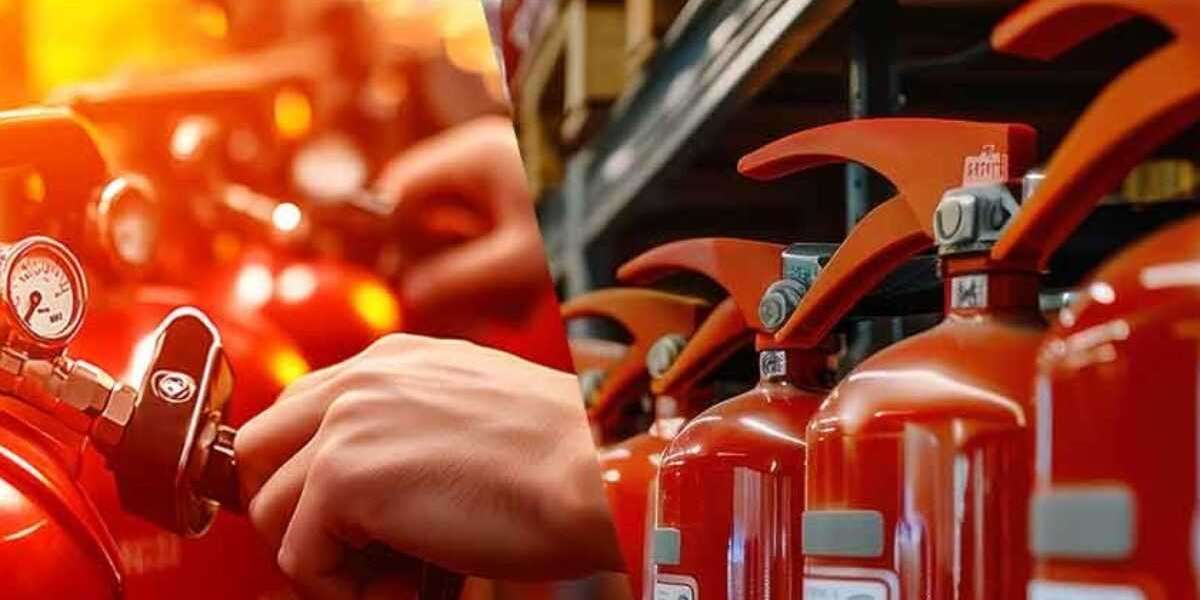

Fire extinguishers are one of the most important fire safety tools in any home, office, shop, or industrial building. They are designed to provide immediate response during the early stages of a fire—saving lives, protecting property, and preventing small flames from turning into major disasters. But like any other safety equipment, fire extinguishers need regular inspection, refilling, servicing, and sometimes replacement to ensure they work when needed.
Knowing the top signs for fire extinguisher refilling or replacement is essential for maintaining a safe environment and staying compliant with fire safety standards.
Why Regular Refilling and Replacement Matter
A fire extinguisher may look fine from the outside, but it can still fail during an emergency if it is not properly maintained. Over time, extinguishers lose pressure, chemicals degrade, or components get damaged. This makes the extinguisher unreliable and unsafe.
Regular refilling and servicing ensure:
- The extinguisher has the right pressure
- The extinguishing agent is usable and effective
- All parts are in good condition
- You stay compliant with fire safety rules and inspections
Ignoring maintenance not only puts people at risk but can also result in legal penalties, especially in commercial buildings, shops, hotels, schools, and factories.
1. Low Pressure Gauge Reading
Every fire extinguisher has a pressure gauge that shows whether the internal pressure is within the safe operational range. The needle should always be in the green zone.
Signs of low pressure include:
- Needle pointing to the red zone
- Needle fluctuating or stuck
- No pressure reading at all
Low pressure means the extinguisher may not discharge properly during an emergency. This is one of the most common signs that the extinguisher needs immediate refilling or replacement.
2. Broken or Missing Safety Seal
A fire extinguisher comes with a pin and tamper seal to prevent accidental discharge.
If you notice a Broken seal, Missing pin, or Loose/damaged tamper tag, it often indicates that the extinguisher may have been used or tampered with. Even a single, short discharge reduces internal pressure and requires a full refill.
3. Visible Damage or Corrosion
Physical condition matters. A damaged extinguisher is unsafe to use and may not function at all.
Common damage signs:
- Rust or corrosion on the cylinder
- Cracks or dents in the body
- Leakage marks
- Nozzle damage
- Loose or broken handle
If the extinguisher is structurally weakened, it may need replacement rather than refilling.
4. Extinguisher Feels Lighter Than Normal
If your fire extinguisher suddenly feels lighter, there may be a leak or loss of extinguishing agent. This can happen due to wear and tear, valve damage, or faulty storage.
A lighter extinguisher means it has lost its agent and must be refilled at once.
5. Expired or Out-of-Date Extinguisher
Most fire extinguishers have a lifespan of 5–10 years, depending on type, brand, and usage. After this duration, parts begin to degrade, even if the extinguisher has never been used.
Signs of expiry:
- Manufacturing date older than 5–10 years
- No record of servicing
- Faded label or unreadable instructions
If the extinguisher is past its recommended lifespan, replacement is the safest option.
6. Fire Extinguisher Was Used – Even Slightly
Even if the extinguisher was used for a second or released a tiny amount of pressure, it must be refilled immediately. Partial discharge lowers internal pressure, which directly affects performance.
In many cases, people test-spray extinguishers out of curiosity or during minor incidents. This still requires a refill to restore proper pressure.
7. Blocked, Clogged, or Damaged Nozzle
A clogged nozzle prevents the extinguisher from releasing the agent effectively.
Common signs:
- Dust or debris blocking the opening
- Insects nesting inside the nozzle (common in outdoor areas)
- Bent or broken discharge hose
- Hardened chemical deposits
A nozzle issue usually requires professional servicing and sometimes fire extinguisher replacement.
8. Failed Annual Inspection
Fire safety regulations require annual inspection and servicing by certified technicians. If your extinguisher fails the inspection, it must be refilled, repaired, or replaced.
Fire inspectors check Pressure, Physical condition, Damage, Sign of leakage, Hose and nozzle functionality, Safety seals and Expiry date of the fire extinguisher. Failing any of these checks indicates the extinguisher is unreliable.
9. Chemical Deposits or Powder Leakage Around the Nozzle
If you notice white powder, chemical residues, or liquid traces around the extinguisher or on the floor, it means there is internal leakage. This is a sign that the extinguisher may not have enough agent left and requires immediate refilling.
For CO₂ extinguishers, frost or moisture around the nozzle indicates a leak.
10. Handle or Trigger Mechanism Issues
If the handle feels loose, stiff, jammed, or cracked, the extinguisher will not work properly.
Trigger problems often occur due to:
- Wear and tear
- Rusting
- Accidental drops
- Poor storage conditions
A faulty trigger mechanism usually means the extinguisher needs replacement.
Conclusion
A fire extinguisher is only as reliable as its maintenance. Knowing these top signs your fire extinguisher needs refilling or replacement helps you act early, stay safe, and avoid dangerous situations. Regular inspections, timely servicing, and professional refilling ensure your extinguisher works perfectly when you need it the most.
Whether it’s for your home, office, shop, or industrial facility, keeping your fire extinguisher in top condition is one of the simplest and most effective ways to protect people and property.





