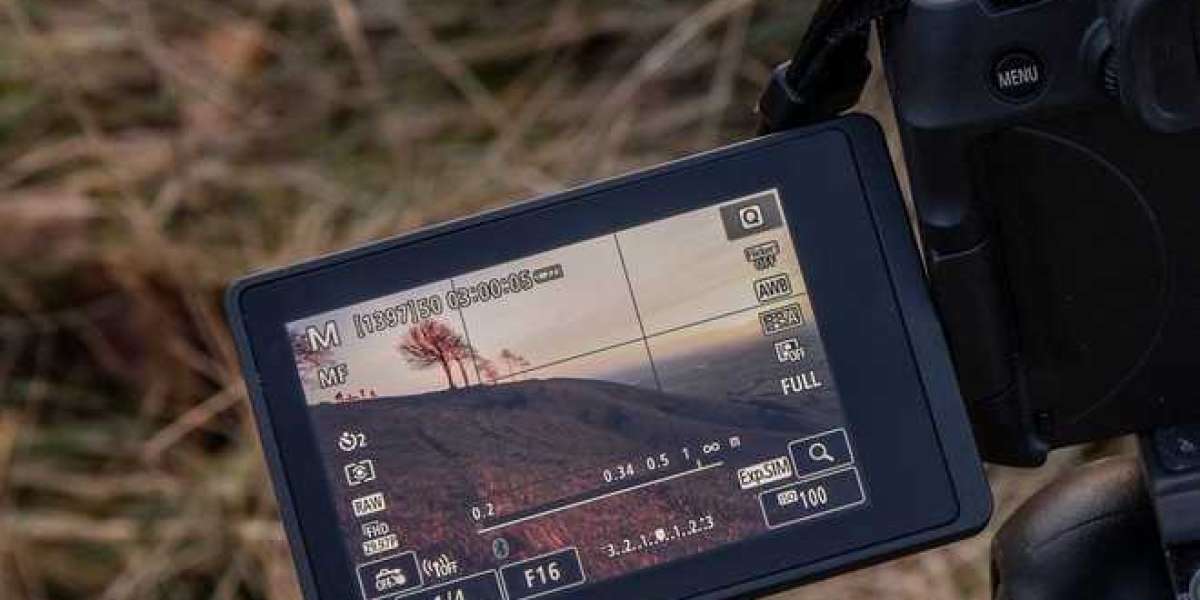

The EVF optical module is transforming how photographers, videographers, and AR/VR developers experience visual precision. In modern imaging systems, accuracy, responsiveness, and visual comfort are crucial. Traditional viewfinders and display optics often struggle with bulkiness, limited resolution, and distortion.
Today, the EVF (Electronic Viewfinder) optical module has emerged as a compact yet powerful solution. In this article, we’ll explore what makes EVF optical modules essential in digital cameras, smart glasses, and AR/VR devices—covering how they work, their benefits, and why they’re leading the next generation of visual technology.
What Is an EVF Optical Module?
An EVF optical module is a compact optical display system that combines a microdisplay, projection lens, and optical assembly to produce a clear, real-time image for the user. Unlike traditional optical viewfinders, which rely on mirrors and prisms, the EVF uses electronic imaging sensors to display exactly what the camera sensor sees.
These modules are particularly popular in mirrorless cameras, wearable displays, and industrial viewfinders, where space, clarity, and precision matter most.
How the EVF Optical Module Works
The working principle of an EVF optical module involves three key components:
Microdisplay: A small, high-resolution display (like OLED or LCOS) that generates the image.
Projection Optics: Lenses and coatings that magnify and focus the display image for comfortable viewing.
Collimation System: Ensures that the projected image appears at an optimal visual distance, reducing eye strain.
Light from the microdisplay passes through lenses and coatings, which enhance brightness, contrast, and clarity before reaching the eye. The result is a bright, distortion-free, real-time view that mimics natural vision—ideal for both photography and immersive environments.
Key Benefits of EVF Optical Modules
The EVF optical module offers a range of advantages over traditional optical systems. Here are the most significant ones:
1. High-Resolution Imaging
Thanks to micro-OLED or LCOS display integration, EVF modules can reproduce true-to-life colors and fine details.
2. Lightweight Compact
By removing bulky optical paths found in DSLR systems, the EVF reduces size while maintaining image fidelity—perfect for portable or wearable devices.
3. Real-Time Digital Preview
Unlike optical viewfinders, EVFs show exactly what the sensor captures, including exposure, focus, and color balance adjustments in real-time.
4. Energy Efficiency
Modern EVF optical systems are optimized for low power consumption, extending battery life in mobile or handheld devices.
5. Versatility Across Industries
They are used not only in cameras but also in AR smart glasses, drone viewfinders, and military-grade optical systems.
EVF Optical Modules vs. Traditional Optical Systems
| Feature | EVF Optical Module | Traditional Optical System |
|---|---|---|
| Size | Compact, lightweight | Bulky with mirrors/prisms |
| Image Source | Electronic (via sensor) | Direct optical path |
| Preview | Real-time, digital | Optical only |
| Applications | Cameras, AR/VR, wearables | Cameras only |
| Customization | Easily software-adjusted | Mechanically limited |
The EVF optical module clearly wins in adaptability and integration potential, making it a preferred choice in modern visual design.
Applications of EVF Optical Modules
The versatility of EVF optics has expanded far beyond photography:
Digital Mirrorless Cameras: Offers bright, accurate framing for photographers.
AR/VR Headsets: Provides realistic image projection with minimal latency.
Medical Imaging Devices: Helps surgeons and technicians visualize live digital images with enhanced depth and detail.
Drone Vision Systems: Delivers clear live feedback for precision navigation.
Industrial Display Units: Used in smart helmets and head-mounted monitors.
In all these applications, the EVF module ensures that users view a crystal-clear, real-time display—no matter the environment or lighting condition.
Technological Advancements in EVF Modules
The latest EVF optical modules integrate cutting-edge technologies to improve performance:
Micro-OLED Displays: Offering ultra-high contrast and brightness.
Aspherical Lenses: For minimized distortion and higher sharpness.
Anti-Reflective Coatings: Enhancing image brightness even in daylight.
Miniaturized Components: Reducing thickness for AR glasses and mobile devices.
Such innovations ensure EVF optics remain vital to the future of display technology.
Commercial Use and Manufacturing Insights
From a manufacturing standpoint, the EVF optical module is both efficient and scalable. Manufacturers prefer it due to:
Ease of Integration with compact camera modules.
High Yield Production through precision assembly.
Compatibility with AR/VR optical systems.
Leading optical companies like ARVROptical design EVF modules tailored for next-generation imaging and wearable applications.
Conclusion
The EVF optical module is redefining how we view and interact with digital visuals. From professional cameras to augmented reality headsets, its precision, compactness, and real-time image delivery make it a cornerstone of optical innovation.
As technology advances, expect even thinner modules, sharper microdisplays, and improved optical coatings—delivering unprecedented clarity and realism for both professionals and consumers.