
Introduction
As the world moves toward renewable energy, solar power has become an increasingly popular choice for homeowners and businesses. A crucial component of any solar energy system is the solar inverter, which converts the direct current (DC) electricity generated by solar panels into alternating current (AC) electricity that can be used by household appliances and the power grid. Without a solar inverter, a solar system cannot function efficiently.
This article explores the types, functions, benefits, and key considerations when choosing a solar inverter.
What Is a Solar Inverter?
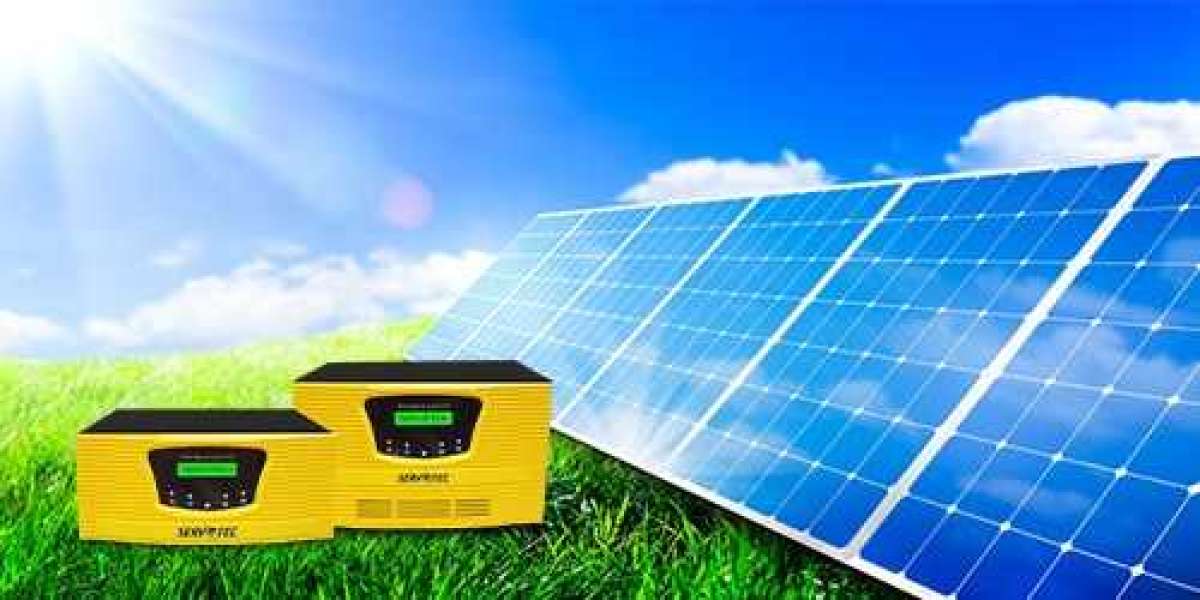
A solar inverter is an electronic device that converts the DC power produced by solar panels into AC power. This AC power is compatible with the electrical grid and home appliances. The inverter plays a critical role in optimizing energy production, ensuring safety, and maintaining the overall efficiency of the solar power system.
Types of Solar Inverters
There are several types of solar inverters, each designed for specific applications and system requirements.
1. String Inverters
String inverters are the most commonly used type in residential and commercial solar systems. They connect multiple solar panels in a "string" and convert the DC electricity from all the panels into AC power. They are cost-effective and easy to install but may face efficiency issues if one panel underperforms due to shading or dirt.
2. Microinverters
Microinverters are installed on each individual solar panel, allowing for independent energy conversion. They offer higher efficiency, better performance in shaded conditions, and improved system monitoring. However, they are more expensive than string inverters.
3. Hybrid Inverters
Hybrid inverters combine a traditional solar inverter with a battery inverter, allowing the system to store excess energy in batteries for later use. These are ideal for homeowners looking for energy storage solutions and backup power during outages.
4. Off-Grid Inverters
Off-grid inverters are designed for solar systems that are not connected to the power grid. They work with battery storage to provide a continuous power supply, making them suitable for remote areas.
5. Grid-Tied Inverters
Grid-tied inverters synchronize with the local electricity grid and allow homeowners to send excess solar power back to the grid. These inverters are commonly used in net metering programs where users receive credits for exporting electricity.
Key Benefits of Using a Solar Inverter
1. Efficient Power Conversion
Solar inverters ensure that the DC electricity from solar panels is efficiently converted into AC power, making it usable for homes and businesses.
2. Monitoring and Performance Tracking
Most modern inverters come with smart monitoring features that allow users to track energy production and consumption in real time through apps and online portals.
3. Improved Energy Management
Hybrid inverters enable users to store excess energy for use at night or during power outages, reducing reliance on the grid and saving on electricity bills.
4. Grid Stability and Net Metering
Grid-tied inverters help stabilize the power grid by managing energy flow and allowing surplus energy to be exported back to the grid for compensation.
5. Protection Against Electrical Issues
Inverters come with built-in safety features such as surge protection, voltage regulation, and automatic shutdown during grid failures, ensuring the safety of appliances and electrical systems.
Choosing the Right Solar Inverter
When selecting a solar inverter, consider the following factors:
1. Power Capacity
Ensure that the inverter matches the total wattage of your solar panel system. Choosing an undersized inverter can lead to energy losses, while an oversized one can be inefficient.
2. Efficiency Rating
Higher efficiency inverters (above 95%) help maximize solar energy conversion, reducing wastage and increasing savings.
3. Compatibility with Solar Panels
Check whether the inverter is compatible with your solar panel brand and type to ensure seamless operation.
4. Warranty and Lifespan
A good solar inverter should last at least 10 to 15 years. Look for warranties of 5-10 years with options for extended coverage.
5. Smart Features and Connectivity
Many modern inverters offer Wi-Fi or Bluetooth connectivity for remote monitoring. These features help track performance, detect issues, and optimize energy usage.
6. Cost and Budget
While microinverters and hybrid inverters offer better performance, they are more expensive than string inverters. Choose a system that balances cost with long-term benefits.
Installation and Maintenance of Solar Inverters
Professional installation ensures that the inverter operates safely and efficiently. Regular maintenance, including checking connections, cleaning vents, and monitoring performance, helps extend the inverter’s lifespan.
Future of Solar Inverters
Advancements in inverter technology are improving energy efficiency, smart grid integration, and battery storage capabilities. With the increasing adoption of solar energy worldwide, future inverters will offer better AI-driven energy management, enhanced safety features, and seamless integration with home automation systems.
Conclusion
A solar inverter is the backbone of any solar energy system, ensuring efficient energy conversion, stable power supply, and smart energy management. Choosing the right inverter type based on energy needs, budget, and system compatibility can enhance solar power utilization and long-term savings. As solar technology advances, inverters will continue to play a crucial role in making renewable energy more accessible and efficient.