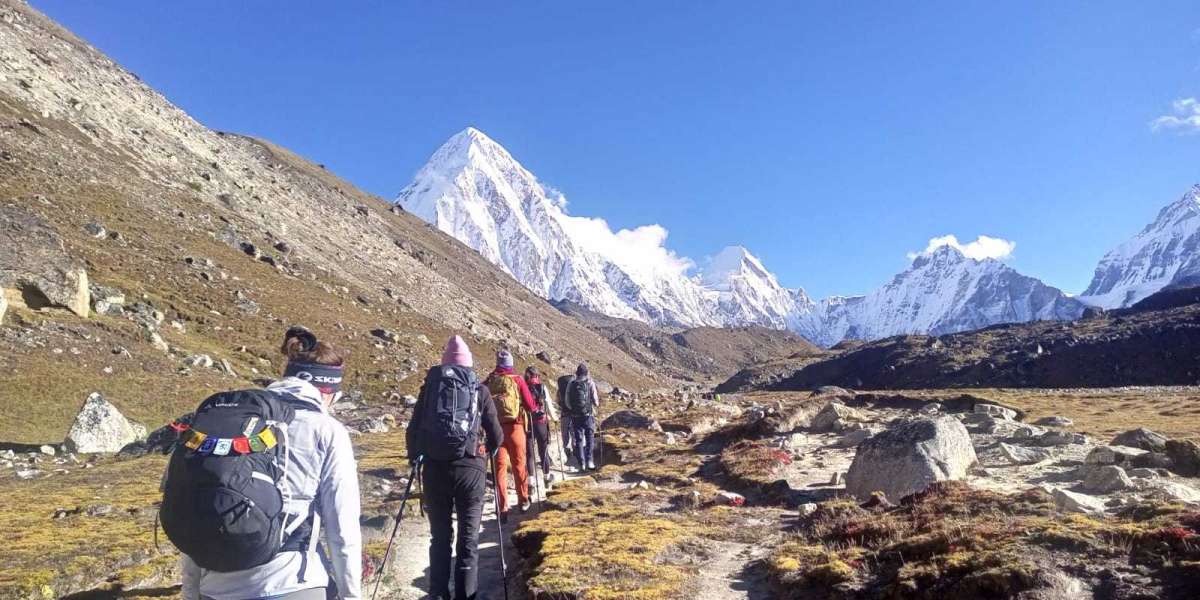

If you are making plans to trek to Everest Base Camp, your budget needs to be executed on your adventure trip to go smoothly and systematically. The trek to Everest Base Camp, inside the Khumbu region of Nepal, is both physically demanding and financially enormous. This safeguards hikers or walkers from any marvel bills and affords a commodity to your adventure to be put on preserve whilst it involves cash. A solid price range needs to include transportation, permits, lodging and food as well as equipment and emergency expenses, whilst leaving more wiggle room to account for surprises. It additionally encourages trekkers to spend time enjoying opposed to cash on luxury whilst it's far useless, while making sure that they are ready for anything which could happen in far-flung regions, just like the Himalayas.
Understanding the Main Cost Categories
Everest Base Camp costs are no secret, and can be broken into various basic sections. How includes transport, trekking, allows lodging, food, guiding, and porter service, extra1031381150 different bills, gadgets, gear with insurance coverage. How much they add to the spend naturally depends on each person’s level of travel savviness and comfort. These elements of cost assist hikers in budgeting and managing the cost of their trip. Hence, having knowledge of periodic budgeting is one big step that helps in comparing independent trekking vs guided trek as a whole, along with comforts during treks in the Nepal Himalayas.
Accommodation Prices in Lukla (Pernight)
One of the big-ticket items in the Everest Base Camp trek total cost is a flight from Kathmandu to Lukla. The journey begins with a spectacular but minuscule plane ride to Lukla airport, which is the gateway to Everest country from the capital city of Nepal, Kathmandu. Flight prices vary by season, with the peak trekking months being on the higher end. And you can certainly get weather conditions, but delays or cancellations could skew them, so budget to build in buffer days. Forced to contend with flight-induced uncertainties as well as seasonal fare darts, many trekkers are already selecting alternative routes or obtaining travel insurance edits.
Trekking Permits and Entry Fees
Permits required to go trekking to the Everest base camp system are now incorporated in all the packages. Trekkers need permits to enter the protected areas of the Everest region, as well as to pay national park fees and hotel access fees. Those fees generate conservation revenue, but also help local communities. The price is somewhat static, because it’s a necessary piece of the trekking budget and has to be arranged in advance. These fees were slightly different for each government, but they always needed to be verified for the particular trek undertaken in Nepal.
Trail Accommodation and Food Costs
Accommodation or food costs incurred daily whilst trekking to Everest Base Camp. Small lodgings and meals, also available in teahouses that pack into concentrations along the trail, become more expensive with altitude; it’s easier to haul supplies up the kerf. Food choices are limited but energy-rich, helping trekkers face long days of travel. This makes it imperative to organize for three meals a day and lodging each evening, actually to ensure that ttrekkingexperience ffinancial difficulties As a piece of advice that will keep you nimble in Nepal, be sure to travel with a few U.S. dollars or the best local currency that can easily convert into Nepali/Indian rupees, since they’re not widely accepted on cards, particularly when we are in mountain villages on the trail.
Guide Porter Fees for Assistance
Employing a guide or porter is not essential for the Everest Base Camp trek, but it would benefit you and does involve an extra cost. Guides will guide your way, keep you safe, and bring cultural color; porters carry heavy loads from the earth, making your trek easier and more enjoyable. They charge per day, depending on the experience of the person and the time of year. So do factor in this additional cost, to return with a smoother and safer through-trip. Licensed and experienced guides also tend to help take better care of safety and even guide you on your budget with areas of local knowledge, route planning.
Trekking Gear and Equipment Investment
How to Book Everest Base Camp Populations: Trek Equipment Basic gear you will need, but will include boots, jackets, sleeping bags, rucksacks, and thermal clothes. Some trekkers have their own equipment, but the majority will need to purchase or rent gear at the capital, Kathmandu. Suitable equipment — if you have the pocket rental space for it — will certainly help make this harsh alpine setting comfortable and secure, which can go from warm to bone-chilling in an instant. Budget trekkers can also hire trekking gear from Kathmandu, reducing the need to spend big bucks on mountain equipment ahead of time.
Travel Insurance and Emergency Coverage
This covers travel insurance for the Everest Base Camp trek. Should include high-altitude trekking, high medical emergencies, and helicopter evacuation if required. Insurance (Depends on amount and provider) — But in case things go sideways, you want to have insurance. They even claim that the right insurance will ensure you peace of mind from start to finish. What I mean by that: insurance does a helicopter rescue from a poorly trekked high pass in Nepal; both of those things have been in the small print of insurance policies.
Baumarkup Statements and Budget Buffering
You can not be ambiguous and rely on the Everest Base Camp trek for such expenses, so plan your costs. These might also involve weather delays, additional nights of accommodations, food, or charging devices, or shopping for personal items. Preemptively filling up a financial buffer by scheduling in a whole bunch helps a trekker not panic about whatever happens. A flexible budget will help you decide how to proceed with the right decision. Small daily purchases like charging electronics and taking hot showers — which can accumulate quickly on long days of trekking — are less commonly raged against.
Ways to Save Money on the Trek: Tactful
Saving money for the trek to Everest Base Camp, if properly planned, is absolutely doable. Look for other uses of local services, though, that can save you money, plan your flightson their website allows), and think about renting gear rather than purchasing it. Booking for the shoulder season can also save you money. But that can never mean sacrificing safety or even basic comfort on the hike. Also, smart budgeting doesn’t mean going lavish unnecessarily on equipment you don’t necessarily need, but there’s a budget for a key kit with potential impact on safety and endurance out on the trail.
The final word: Realistic trekking budget planning
Not to make a budget properly about the Everest Base Camp entails, but it ensures that you are going on a guided adventure, regardless of what your li,fe and an enjoyable trip. From flights and permits to food and gear, here are the ones that made this experience stand out. With well-thought-out planning and realistic expectations, trekkers should be worrying about the magnificence of the Himalayas rather than a squeeze on money. Tip to Make Everest Base Camp More Sensible: A Sensible Helpset Plan Helps Trekkers See the Himalayas without Messing Financially During the Journey. Well-Thought Budget Plan