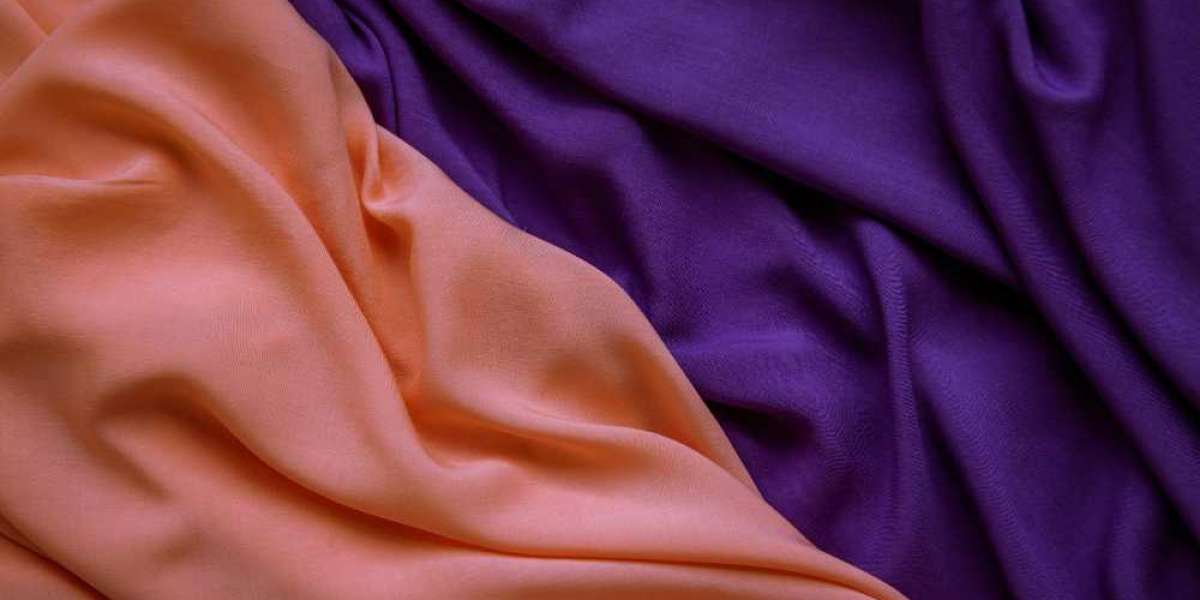

Satin defines high-end garment manufacturing. Its glossy surface and fluid drape make it the immediate choice for designers creating bridal gowns, evening dresses, and occasionwear. While trends cycle quickly, this weave remains a constant in luxury fashion.
Sourcing the right material dictates the success of a collection. For fashion brands seeking reliability and variety, Fabriclore Pvt Ltd operates as one of the best local and online suppliers. They bridge the gap between textile manufacturing and modern design needs, offering a vast range of options for businesses globally.
Understanding the Satin Weave
Many people mistake satin for a raw material, but it is actually a weave structure. Weavers create this fabric by floating warp yarns over weft yarns. This technique produces a smooth, lustrous face and a dull back.
Originally, weavers used silk to create satin. Today, manufacturers produce it using nylon, polyester, and wool. The fiber content determines the weight, flexibility, and price point, but the weave itself creates the characteristic sheen.
The History of Satin in Fashion
China produced the first satin fabrics over two thousand years ago in the port city of Quanzhou (historically Zayton). The fabric eventually moved westward along the Silk Road, reaching Italy in the 12th century.
For centuries, only the wealthy could afford satin. Royalty and church officials wore it to display status. As manufacturing technology improved during the Industrial Era, production expanded. Synthetic fibers later made the look accessible to a wider market, allowing ready-to-wear brands to incorporate the finish into their lines.
Primary Types of Satin
Not all satins behave the same way under a needle. Choosing the right variant is critical for the garment's silhouette.
- Charmeuse: This is lightweight and clings to the body. It has a high shine on the front and a matte finish on the back. Designers use it for bias-cut dresses and lingerie.
- Duchess Satin: A heavy, stiff fabric with a lower luster. It holds shape exceptionally well, making it the standard for structured bridal gowns.
- Crepe Back Satin: This fabric features a satin weave on one side and a crepe texture on the other. It is reversible, allowing designers to use both textures in a single garment.
- Messaline: A lightweight, soft satin usually made from silk or rayon. It has a high luster and works well for delicate blouses.
- Slipper Satin: A medium-to-heavy weight fabric with a high thread count. It provides structure and durability, often used for footwear and bodice construction.
Why Designers Choose Satin
Satin offers specific advantages that other weaves cannot match.
Visual Impact
The way satin reflects light draws the eye. It highlights the curves of a garment and adds depth to colors. A simple silhouette becomes striking when cut from high-quality satin.
Skin Feel and Comfort
The long floats in the weave create a surface that feels smooth against the skin. This tactile quality is essential for eveningwear, where the wearer often keeps the garment on for hours.
Drape and Movement
Lighter satins like Charmeuse drape like water. They move with the wearer, creating a fluid line that suits slip dresses and soft skirts. Heavier satins provide architectural structure without feeling rigid.
Satin in Bridal Design
Bridal wear demands fabrics that photograph well and hold structural integrity. Duchess satin is the industry favorite here. It supports the weight of beading and embroidery without sagging.
When constructing trains or voluminous skirts, sourcing becomes a logistical challenge. You often need continuous lengths to avoid unsightly seams. Finding Satin Fabric by the yard from a supplier with consistent inventory ensures you can execute large-scale designs without compromising the visual flow.
Creating Refined Eveningwear
Eveningwear allows for more variety in satin types. Crepe back satin is popular here because it offers versatility. A designer might use the matte side for the body of a dress and the shiny side for trim or lapels.
Bias cutting is a key technique for eveningwear. By cutting satin at a 45-degree angle, the fabric stretches and molds to the body. This technique requires skill, as satin can be slippery and difficult to control during sewing.
Satin for Special Occasions
Occasionwear sits between ready-to-wear and couture. These garments need to look expensive but must withstand wear. Polyester or acetate blends work well here. They mimic the look of silk but offer better durability and wrinkle resistance.
Color availability is crucial for this sector. Brands need to match specific palettes for seasonal collections. It is often more efficient to buy Fabric online to access a broader spectrum of dyed options than what local brick-and-mortar stores typically stock.
Care and Maintenance
Educating the customer on care extends the life of the garment. Satin weaves are prone to snagging because of the long floating yarns.
- Cleaning: Dry cleaning is the safest method for silk and acetate satins. Polyester satin can often handle a gentle machine wash, but hand washing is better.
- Ironing: Satin burns easily. Press garments inside out on a low heat setting. Use a pressing cloth to prevent "shining" or scorching the fabric.
- Water Spots: Water can leave permanent ring marks on some satins, particularly silk. Avoid spot cleaning with water; treat the whole garment or take it to a professional.
Sustainable Satin Options
The fashion industry faces pressure to reduce environmental impact. Designers now have access to eco-friendly satin options.
- Recycled Polyester (rPET): This satin mimics the durability of virgin polyester but keeps plastic out of landfills.
- Organic Silk: Sericulture that avoids pesticides and harmful chemicals produces a cleaner luxury product.
- Cupro: Made from cotton linter (a byproduct of cotton production), Cupro breathes like cotton but drapes like silk.
Fabriclore supports these initiatives by offering sustainable textile options, helping brands align their sourcing with their environmental goals.
The Lasting Power of Satin
Satin remains a pillar of luxury design. Its ability to transform light, drape effortlessly, and carry rich color ensures it never fades from the runway. Whether you are constructing a structured bridal bodice or a fluid evening gown, the quality of the fabric dictates the final result.
By partnering with established suppliers like Fabriclore Pvt Ltd, designers gain access to the materials necessary to compete in the high-end market. Quality sourcing is the first step in creating garments that stand the test of time.