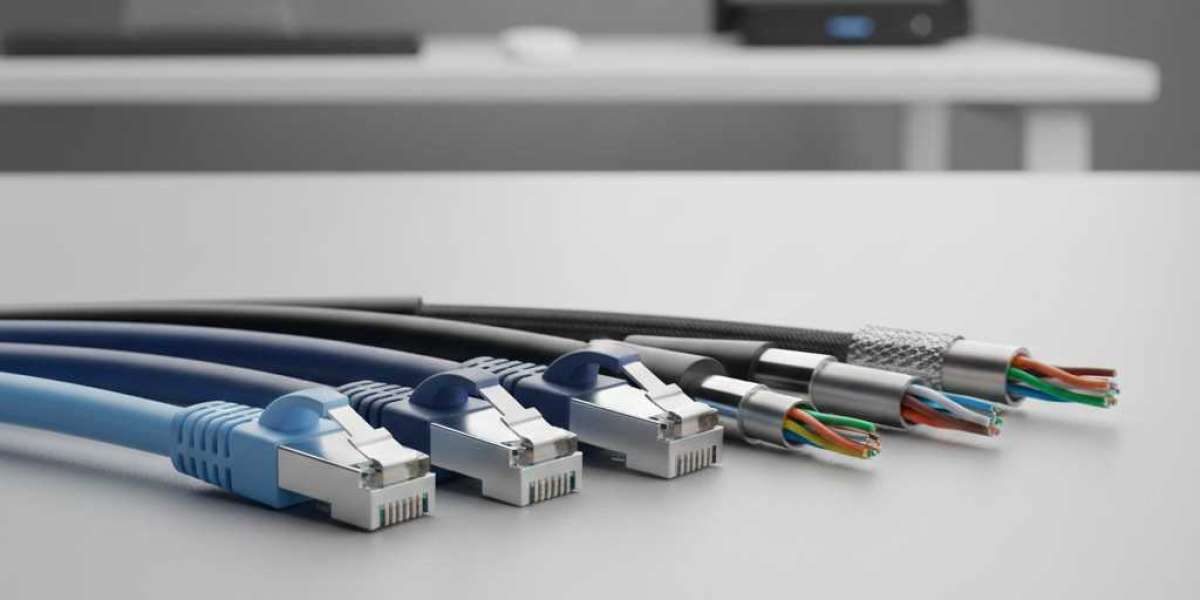

Internet speed is essential for smooth streaming, gaming, and online work. Many people wonder if using a Cat8 networking cable can make a significant difference in their connection. Cat8 is the latest Ethernet cable standard, designed for high-speed data transfer. Understanding its features and benefits can help you decide if upgrading is worth it.
Cat8 cables support speeds up to 40 Gbps, which is much higher than Cat5e, Cat6, or even Cat7 cables. They are designed for short-distance connections, typically up to 30 meters, and can handle frequencies up to 2000 MHz. This makes them suitable for data centers, server rooms, and high-performance home networks where maximum speed is required.
If your internet plan is below 1 Gbps, switching to a Cat8 cable may not noticeably improve speed. The cable can support high speeds, but your internet service must also provide the bandwidth to match. For most home users, Cat6 or Cat6a cables are often sufficient to handle internet speeds offered by ISPs.
Cat8 cables also have superior shielding compared to older cables. Shielding reduces interference from other electronic devices and network cables nearby. This ensures stable connections, low latency, and fewer disruptions. For users in homes with many devices or offices with complex wiring, a Cat8 networking cable can provide a more reliable connection.
The build quality of Cat8 cables is robust. They often use thicker wires and better materials to handle high-speed data transfer. This reduces the risk of signal loss over short distances. For gaming, video editing, or transferring large files over a local network, Cat8 cables can provide consistent performance.
It is important to note that Cat8 cables are backward compatible with previous Ethernet standards. This means you can use them with Cat5e, Cat6, or Cat7 devices. However, the actual speed will depend on the slowest device or connection in the network. Simply replacing a cable does not automatically increase internet speed unless other components can support it.
Cat8 is ideal for setups where high-speed local network transfer is required, such as connecting servers, NAS devices, or multiple workstations in an office. For online activities that rely on your ISP’s internet speed, upgrading to Cat8 may not significantly increase download or upload speeds if your plan is limited.
Compared to Cat6a or Cat7, Cat8 cables are thicker and less flexible, which may make installation in tight spaces more challenging. They are also more expensive. Therefore, consider whether the investment is necessary based on your current network demands and the devices you use.
Another benefit of Cat8 cables is reduced crosstalk. Crosstalk occurs when signals from nearby cables interfere with each other. Cat8 cables use individual shielding for each pair of wires, minimizing interference. This feature is especially valuable in crowded data environments or areas with many electronic devices.
For home users streaming 4K or 8K videos, playing online games, or working from home, Cat6a or Cat7 cables can deliver excellent performance. Cat8 becomes more relevant when dealing with extremely high data transfer needs or preparing a future-proof setup that may require 25 Gbps or 40 Gbps speeds.
The installation of Cat8 cables is straightforward but requires attention to connectors. Cat8 uses RJ45 connectors similar to previous cables, making them easy to integrate into existing networks. However, ensuring proper termination and connection is important for maintaining speed and performance.
It is also essential to pair Cat8 cables with compatible network hardware. Switches, routers, and network cards must support high-speed data transfer to fully utilize Cat8 capabilities. Otherwise, the cable alone cannot improve your internet speed. Assessing your current hardware helps determine if upgrading the cable is worthwhile.
Cat8 cables offer future-proofing benefits. Technology continues to evolve, and internet speeds are gradually increasing. Investing in high-quality networking cables now can save costs in the long run by avoiding frequent replacements. Businesses and tech enthusiasts who plan to scale their network benefit the most from Cat8.
While Cat8 provides impressive performance, it is not always the most practical choice for every user. The higher cost and thicker design may not be necessary for standard home internet usage. Choosing the right cable depends on understanding your speed requirements, network setup, and budget.
Maintenance and durability are also factors to consider. Cat8 cables are built to last with strong insulation and shielding. This reduces the risk of damage during installation or daily use, making them reliable for long-term networking solutions.
In conclusion, a Cat8 networking cable can improve internet speed and network performance under the right conditions. For local high-speed transfers, gaming, and future-proof setups, Cat8 provides significant advantages. However, for standard home internet with lower speeds, Cat6a or Cat7 cables are often sufficient. Always assess your network hardware, internet plan, and specific needs before investing in Cat8. Upgrading cables is one part of optimizing your network, and choosing the right networking cable ensures a stable, fast, and reliable connection for all your devices.
Sources: https://www.iplocation.net/different-ethernet-cables-with-their-features-and-applications
https://logcla.com/blogs/1071818/Can-I-plug-a-Cat-8-cable-into-a-Cat6





