
Introduction
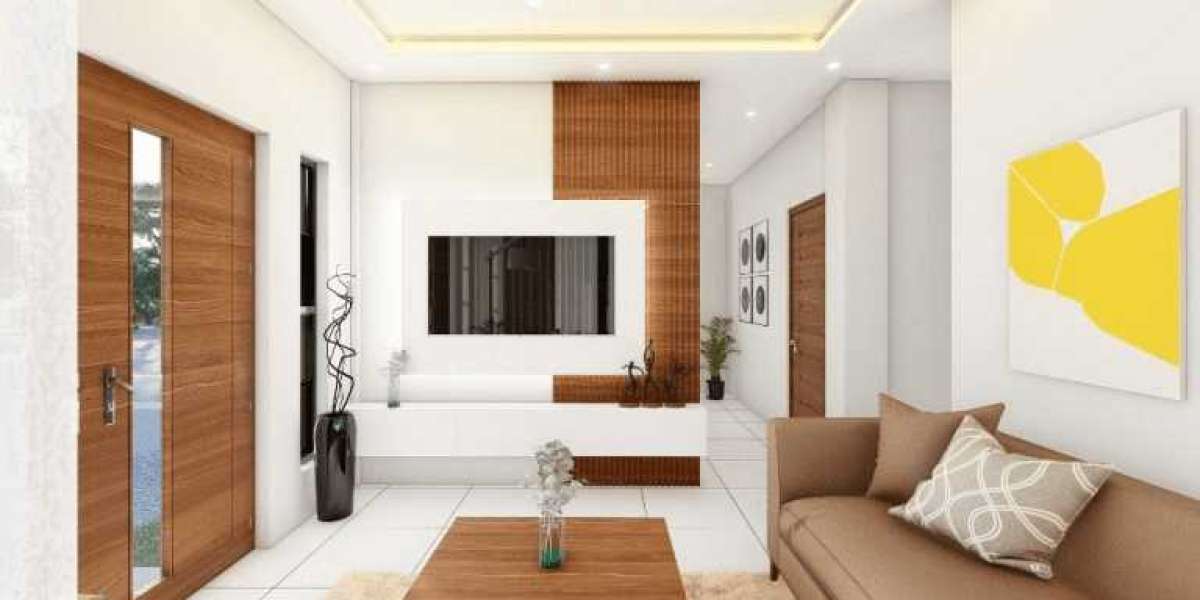
In modern urban environments, the demand for thoughtfully designed living spaces has never been higher. Homeowners are no longer just looking for aesthetic appeal; they want functional, efficient, and comfortable interiors that cater to both lifestyle and technology needs. For those seeking expert assistance, finding a home interior designer in Lahore can be a transformative step toward achieving a home that seamlessly blends style with practicality.
Interior design today goes beyond mere decoration. It involves creating spaces that are ergonomically sound, visually cohesive, and capable of integrating smart technology to enhance everyday living. From modular furniture and smart lighting to sustainable materials and space optimization, the modern home is a reflection of personal taste and technological innovation.
Understanding the Role of a Professional Interior Designer
A professional interior designer is not just someone who selects colors or furniture; they are architects of lifestyle. Their expertise lies in understanding spatial dynamics, lighting, materials, and the psychological impact of design on inhabitants.
Key responsibilities include:
Space Planning – Optimizing every square foot to ensure comfort and functionality.
Material Selection – Choosing finishes, textures, and sustainable materials that align with aesthetic goals and durability standards.
Lighting Design – Implementing natural and artificial lighting solutions that enhance mood, visibility, and energy efficiency.
Furniture Layout – Selecting and arranging furniture for maximum utility while maintaining visual harmony.
Technology Integration – Incorporating smart home solutions for convenience, security, and energy management.
By collaborating with a skilled designer, homeowners can avoid costly mistakes, streamline renovation timelines, and achieve a cohesive look that elevates their living experience.
Features of Modern Interior Design Solutions
Modern interior design solutions integrate aesthetics with cutting-edge technology and functionality. Key features include:
Smart Home Compatibility
Homes are increasingly incorporating devices such as automated lighting, climate control, voice-activated assistants, and security systems. Designers ensure that these technologies are seamlessly embedded into the home’s layout without compromising style.
Sustainable and Eco-Friendly Materials
From recycled wood and energy-efficient appliances to low-VOC paints, sustainability is now a central aspect of interior planning. Eco-conscious materials reduce environmental impact while enhancing the durability and aesthetic quality of interiors.
Multi-Functional Spaces
Urban living often comes with space constraints. Designers create adaptable areas that serve multiple purposes, such as living rooms that convert into home offices or bedrooms with integrated storage solutions.
Personalized Aesthetic
Every home tells a story. Designers tailor interiors to reflect the homeowner’s personality, lifestyle, and cultural preferences, balancing trends with timeless design elements.
Attention to Detail
Elements such as flooring patterns, wall textures, decorative accents, and furniture ergonomics are meticulously curated to create a unified and immersive living experience.
Benefits of Hiring an Interior Design Expert
Investing in professional interior design offers numerous advantages:
Enhanced Property Value
A well-designed home increases market value and attracts potential buyers if resale becomes a consideration. High-quality design is often seen as a long-term investment.
Time and Cost Efficiency
Professionals help streamline procurement, manage contractors, and avoid trial-and-error decisions, saving both time and unnecessary expenses.
Stress-Free Renovation
Renovations and redesigns can be overwhelming. Designers provide project management, vendor coordination, and timeline supervision to ensure a smooth process.
Customized Comfort
Designers optimize the ergonomics, lighting, and acoustics of a home, creating spaces that are not only visually appealing but also comfortable and functional.
Incorporation of Latest Trends
From minimalistic designs and industrial aesthetics to biophilic interiors and smart home integration, designers bring contemporary ideas that are tailored to the client’s lifestyle.
Current Price Trends for Interior Design Services
The cost of interior design varies depending on project complexity, scope, location, and designer reputation. In urban areas, average price ranges may include:
Consultation Fees – Some designers charge per hour, ranging from $50 to $200, depending on expertise.
Design Packages – Comprehensive packages, including concept creation, material selection, and project management, may start from $1,000 for small spaces and exceed $10,000 for larger projects.
Customization Costs – Customized furniture, smart home integration, and luxury materials can significantly impact budgets.
While pricing may seem high, the value lies in avoiding costly errors, optimizing space utilization, and creating a home that functions efficiently while exuding aesthetic appeal.
Tips for Choosing the Right Interior Designer
Selecting the right professional requires careful consideration:
Portfolio Evaluation
Review past projects to gauge the designer’s style, versatility, and attention to detail. Look for consistency in quality and adaptability to different design preferences.
Client Testimonials
Feedback from previous clients can provide insights into communication skills, reliability, and problem-solving capabilities.
Understanding the Process
Ask about project timelines, stages of execution, and communication methods to ensure a transparent workflow.
Budget Alignment
Clarify costs upfront and discuss options to manage expenses without compromising design quality.
Collaboration and Compatibility
A successful design project relies on mutual understanding. Ensure the designer listens to your needs, interprets your vision accurately, and can suggest practical solutions.
Emerging Trends in Interior Design
Interior design is constantly evolving, influenced by technology, sustainability, and lifestyle changes. Notable trends include:
Smart Home Integration
Connected devices, from lighting to temperature control, are becoming standard components in modern homes. Designers are now expected to incorporate these seamlessly.
Minimalism and Clutter-Free Spaces
Clean lines, open spaces, and efficient storage solutions reflect a growing preference for simplicity and mental clarity.
Biophilic Design
Incorporating natural elements like plants, natural light, and water features enhances well-being and creates a calming environment.
Sustainable Materials and Practices
Eco-conscious choices are more than a trend—they are a responsibility. Designers are emphasizing recycled, locally sourced, and low-impact materials.
Multipurpose Spaces
As urban living spaces shrink, flexibility is key. Modular furniture and convertible layouts are essential for efficient home design.
Frequently Asked Questions
What is the difference between an interior designer and a decorator
An interior designer plans the structure, layout, and functionality of spaces, often collaborating with architects, while a decorator focuses primarily on aesthetics, furnishings, and visual appeal.
How long does a typical interior design project take
Project timelines vary depending on complexity, ranging from a few weeks for small-scale updates to several months for full-scale renovations.
Can interior design increase the value of my property
Yes. Thoughtful design that balances functionality and aesthetics can significantly enhance property value and marketability.
Are smart home features expensive to implement
Costs depend on the technology level. Basic automation is affordable, while fully integrated smart homes can be more costly but offer long-term convenience and energy savings.
Do I need a designer for a small apartment
Even small spaces benefit from professional planning. Designers can maximize functionality, storage, and aesthetic appeal within limited square footage.
Conclusion
Modern interior design is an intricate blend of technology, aesthetics, and practicality. Engaging an expert allows homeowners to transform their living spaces into personalized, efficient, and visually compelling environments. From integrating smart solutions to selecting sustainable materials, professional design elevates the quality of life while adding lasting value to your property.