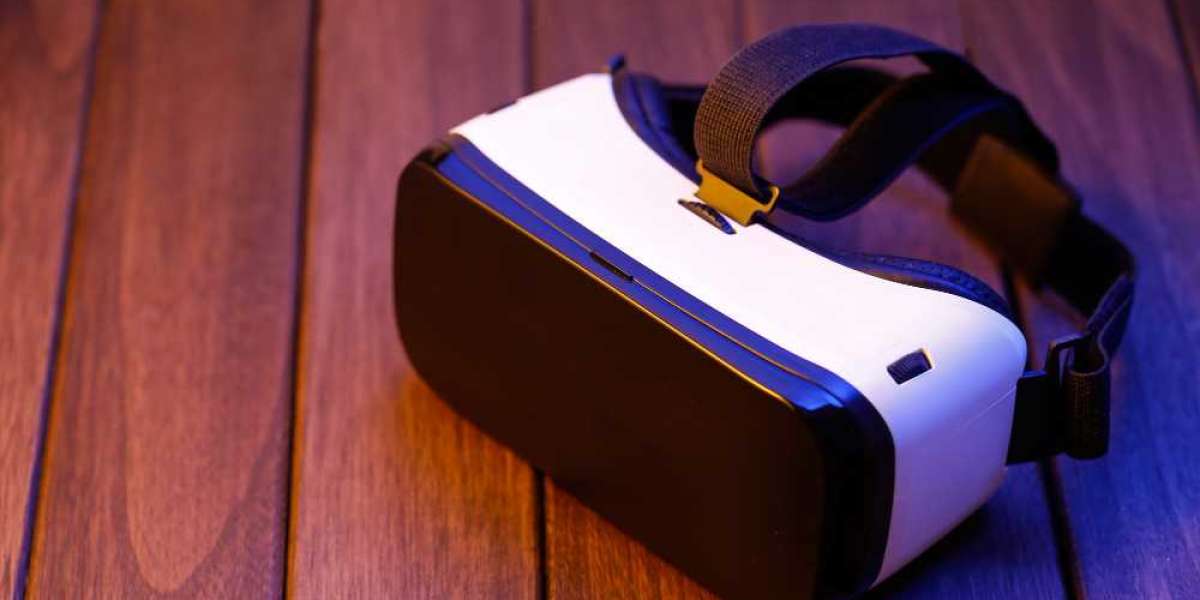

If your VR headset feels heavy, causes eye strain, or shows dim visuals, the real issue might not be your display resolution—it’s your optics. Traditional lens systems are large and inefficient, which adds unnecessary weight and reduces image brightness. This is where the pancake optical module changes everything.
In this article, you’ll learn how this lightweight, high-performance optical design transforms visual clarity and comfort in AR/VR devices while solving the biggest display pain points for modern users.
What Is a Pancake Optical Module?
A pancake optical module is an advanced optical system used in virtual reality (VR) and mixed reality (MR) headsets. It relies on polarized light reflection and refraction between multiple lens layers to shorten the optical path—essentially folding light back on itself.
This compact structure dramatically reduces the distance between the display and the lens, allowing headset makers to design slimmer, lighter, and more comfortable devices without compromising image quality.
Why Traditional Lenses Fail in Modern Headsets
Older Fresnel or convex lenses often cause several issues for today’s VR devices:
Bulky design: They require more space, making headsets heavier.
Glare and ghosting: Poor light control results in reflections and double images.
Uneven brightness: Light loss between lens layers reduces clarity.
Limited field of view: Narrow optical paths create tunnel-like visuals.
These problems make users feel discomfort during long VR sessions and reduce immersion—something developers and manufacturers are eager to fix.
How Pancake Optical Modules Solve These Issues
Pancake optics utilize reflective coatings and polarization-based light folding to overcome traditional lens limitations. Here’s how:
Lightweight Design: The folded optical path minimizes bulk and headset weight.
Sharper Images: Precision alignment ensures high contrast and clarity.
Improved Comfort: Reduced optical distance means less strain on the eyes.
Better Light Efficiency: Anti-reflective coatings preserve image brightness.
This design allows for compact headsets that deliver immersive visuals without sacrificing comfort—a crucial advancement for consumer and enterprise AR/VR applications.
Applications in AR and VR Devices
The pancake optical module is becoming the standard in next-generation headsets, including:
VR headsets for gaming and simulation training.
Mixed Reality glasses used in design and education.
Portable AR systems demanding lightweight and thin optical architectures.
Manufacturers prefer this module because it provides a balance between compact design, energy efficiency, and superior optical performance—all essential for immersive display experiences.
Choosing the Right Pancake Optical Module
Not all pancake modules offer the same optical accuracy or coating quality. When evaluating an optical module for your headset, pay attention to:
Reflective coating uniformity
Optical axis alignment precision
Light transmission efficiency
Material durability under heat and vibration
High-quality optical assemblies ensure long-term reliability and image stability, making them a smart investment for both developers and end users.
Conclusion
If your VR headset feels too heavy or fails to deliver sharp, bright images, it might be time to switch to a pancake optical module. This innovative design redefines comfort and image quality through smarter light management and thinner form factors. By integrating these advanced optics, manufacturers can finally achieve the perfect balance between performance and portability—paving the way for the next generation of immersive VR and AR experiences.